Read short multi-paragraph passages and answer questions about main idea, supporting details, vocabulary, inference, author's purpose, and text structure.
Read each passage carefully. Answer each question in complete sentences and use evidence from the text when asked.
Practice finding main ideas, details, inferences, and text structure
Language Arts - Grade 6-8
- 1
Read the passage. Maya had always thought of the school garden as a quiet place with neat rows of plants. When she joined the garden club in September, she expected to pull a few weeds and water some tomatoes. Instead, she found a group of students measuring soil, recording insect sightings, and planning where to plant flowers that would attract bees. By October, Maya understood that the garden was more than a pretty space. It was a living system. The students learned that marigolds could help keep some pests away from vegetables. They also discovered that fallen leaves could become compost, adding nutrients back into the soil. What is the main idea of the passage?
- 2
Read the passage. The town library looked ordinary from the outside, but inside it had become a busy community center. On Monday afternoons, students met in the reading room to get help with homework. On Wednesdays, adults practiced computer skills in a small classroom near the front desk. The library also offered events that brought different age groups together. One Saturday each month, grandparents read picture books to young children. During the summer, middle school students helped younger readers choose books and track their reading goals. Which two details best support the idea that the library serves the whole community?
- 3
Read the passage. When the first snow fell, Jalen rushed to the window and smiled. He had been waiting all week to test the sled he built with his older brother. They had used smooth wooden boards, bright blue paint, and an old rope from the garage. After breakfast, Jalen carried the sled to the hill behind his apartment building. At first, the sled barely moved. Then his brother noticed that one board was rubbing against the snow at an angle. They adjusted it, pushed off again, and this time the sled shot forward. What can you infer about Jalen and his brother?
- 4
Read the passage. During the storm, the old oak tree bent low over the fence. Its branches scraped the windows, and leaves flew across the yard like green paper. Inside the house, Nora listened to the wind and counted the seconds between flashes of lightning and rolls of thunder. By morning, the storm had passed. The yard was covered with twigs, but the oak still stood. Nora stepped outside and noticed a small bird's nest on the grass. Carefully, she placed it in a low branch, hoping its owners would return. How does the setting affect the events in the passage?
- 5
Read the passage. Many students think of exercise as something that only happens during sports practice. However, movement can be part of an ordinary day. Walking to school, dancing to music, carrying groceries, or playing tag with friends can all help the body stay active. Regular movement has several benefits. It strengthens muscles, helps the heart work well, and can improve mood. Even short activity breaks during homework can help students return to their work with more focus. What is the author's purpose in this passage?
- 6
Read the passage. Kai opened the cardboard box and found a dusty violin wrapped in a cloth. A note taped to the inside said, "This belonged to your great-grandmother. She played it every evening after work." Kai had never met her, but he imagined her holding the violin in a small kitchen filled with music. At first, the instrument made squeaky sounds when Kai tried to play. He nearly put it back in the box. Then his mother showed him a photograph of his great-grandmother performing on a stage. Kai looked at the photo for a long time and decided to sign up for lessons. What theme is suggested by the passage?
- 7
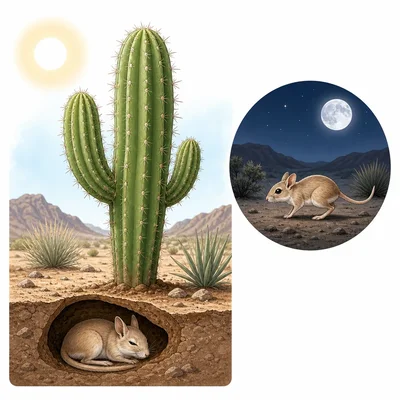
Read the passage. Deserts may seem empty, but many animals have special ways to survive there. Some animals sleep during the hottest part of the day and search for food at night. Others get water from the plants or insects they eat. Desert plants also have helpful adaptations. Cactus stems can store water for long periods. Many desert plants have small leaves or spines, which reduce water loss in dry air. How is the passage organized?
- 8
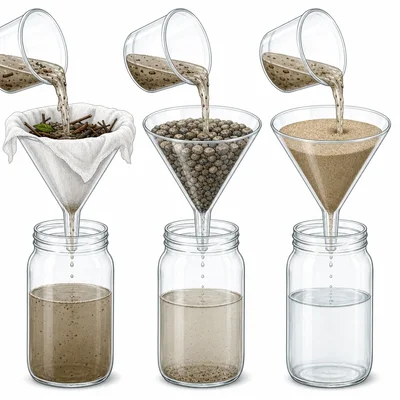
Read the passage. At the science fair, Elena's table was crowded with jars of cloudy water. She explained that each jar had been filtered in a different way. One filter used sand, another used gravel, and a third used cloth. Visitors made predictions before Elena poured water through each filter. The cloth removed large bits of leaves, but the water stayed cloudy. The sand filter worked more slowly, yet the water looked much clearer. Elena reminded everyone that even clear water may not be safe to drink without proper treatment. What conclusion can be drawn from Elena's experiment?
- 9
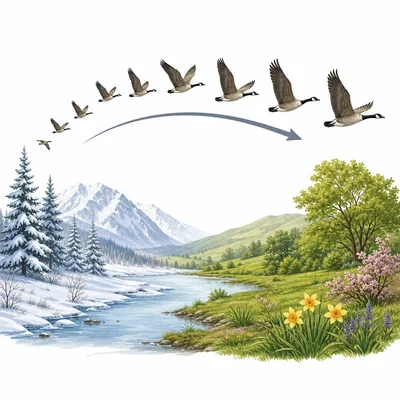
Read the passage. The word "migration" often describes the movement of animals from one place to another. For example, some birds fly south when cold weather arrives and return north in spring. They move to find food, warmer temperatures, or safe places to raise their young. Migration can be risky. Animals may face storms, predators, or a lack of resting places along the way. Still, many species repeat these journeys every year because the benefits help them survive. In the first paragraph, what does the word "migration" mean?
- 10
Read the passage. Before the school play began, the backstage hallway was full of whispers and quick footsteps. Actors checked their costumes, stage crew members tested the lights, and Ms. Rivera looked over her clipboard one final time. Luis stood near the curtain, silently repeating his first line. When the lights dimmed, the audience grew quiet. Luis stepped onto the stage and saw rows of faces watching him. His hands felt cold, but then he heard his friend whisper, "You've got this." Luis took a breath, said his line clearly, and the scene began. How does Luis change from the beginning of the passage to the end?