Learn how citizen scientists help researchers by making observations, collecting data, and following careful procedures.
Read each problem carefully. Use complete sentences when explaining your thinking. Show evidence from the information given.
How everyday people collect and share useful scientific data
Science - Grade 6-8
- 1
Define citizen science in your own words. Include who participates and how their work can help professional scientists.
- 2
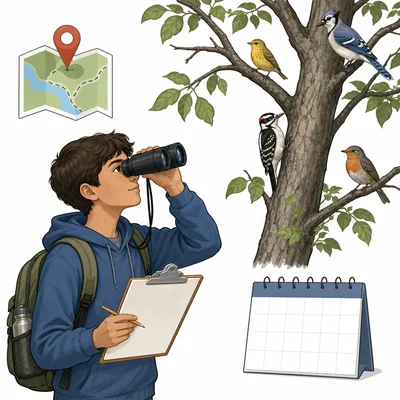
A class joins a project that tracks local bird species. Each student records the date, location, species name, and number of birds seen. Explain why recording the date and location is important.
- 3
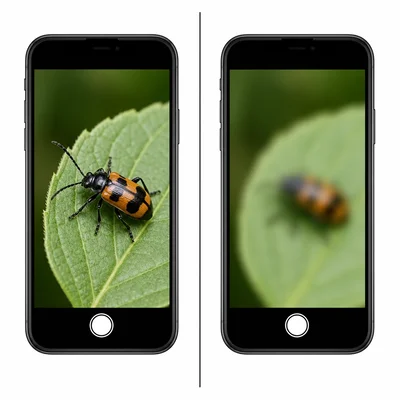
A citizen science app asks users to photograph insects and upload the images. Why is a clear photo more useful than a blurry photo?
- 4
Look at this sample data from a park cleanup study: Site A had 12 plastic bottles, 4 cans, and 9 food wrappers. Site B had 5 plastic bottles, 11 cans, and 7 food wrappers. Which site had more total litter items, and how many more did it have?
- 5
Explain why citizen scientists should follow the same data collection instructions each time they make an observation.
- 6
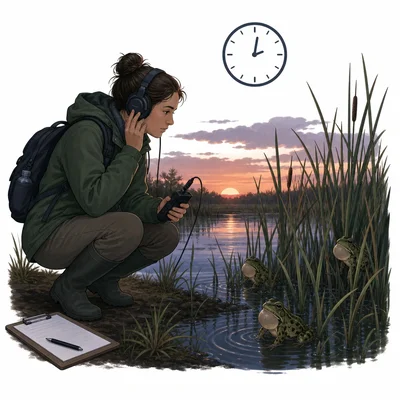
A frog monitoring project asks volunteers to listen for frog calls for exactly 5 minutes after sunset. One volunteer listens for 20 minutes instead and reports many more frogs. Explain why this could be a problem for the study.
- 7
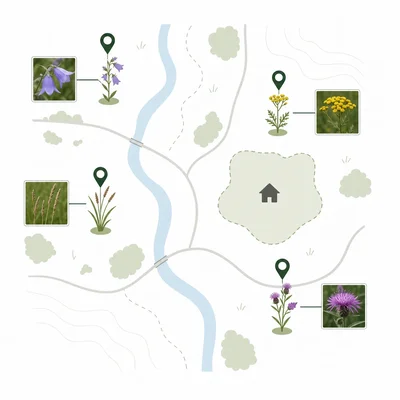
A researcher receives 500 plant observations from citizen scientists. Some observations include photos and exact GPS locations, while others only say 'near my house.' Which observations are more useful for mapping plant locations, and why?
- 8
Describe one way a citizen science project can protect participants' privacy while still collecting useful scientific data.
- 9
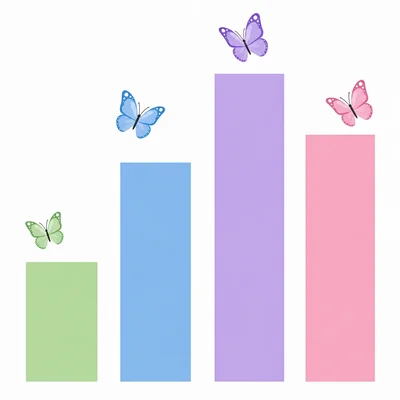
The chart shows butterfly sightings reported in a town from March to June: March 8, April 21, May 34, June 30. Describe the pattern in the data and suggest one possible scientific question researchers could investigate next.
- 10
A student says, 'Citizen science is not real science because volunteers are not professional scientists.' Write a response that explains why this statement is not accurate.