Practice observing bubbles and explaining how surface tension helps them form round shapes.
Read each problem carefully. Use complete sentences. Show your thinking in the space provided.
Explore how bubbles form, stretch, and become round
Science - Grade 2-3
- 1
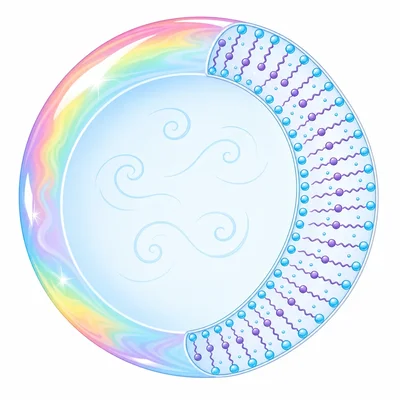
A bubble is made from soap, water, and air. What is inside a bubble?
- 2
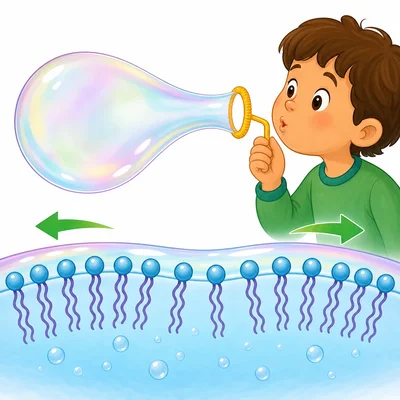
Surface tension helps the surface of water act a little like a stretchy skin. How does soap help when you blow bubbles?
- 3
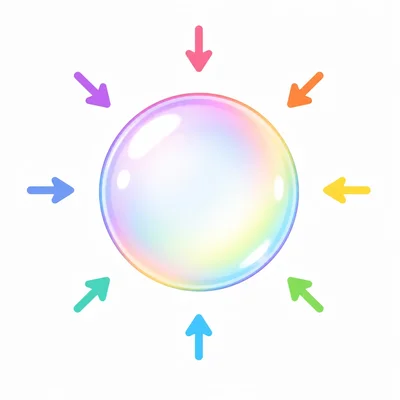
When a bubble floats in the air, it usually looks round like a sphere. Explain why a bubble is usually round.
- 4
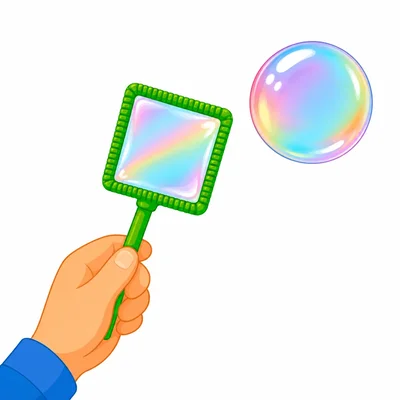
Mia blows a bubble through a square bubble wand. What shape will the bubble most likely be after it leaves the wand?
- 5
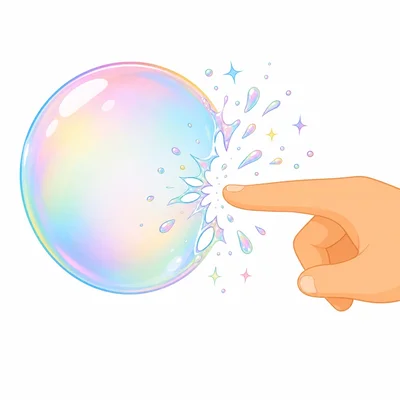
You touch a bubble with a dry finger, and it pops. Why might the bubble pop?
- 6
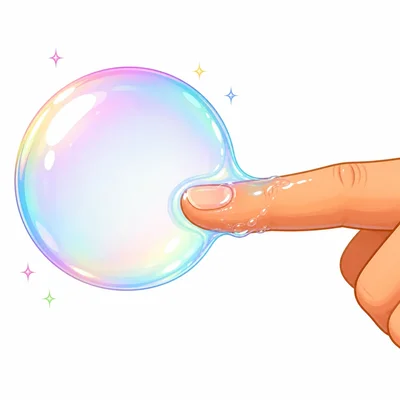
A student touches a bubble with a finger dipped in bubble solution. The bubble does not pop right away. Why might the wet finger help?
- 7
Look at these observations: Bubble A lasted 2 seconds. Bubble B lasted 8 seconds. Bubble C lasted 5 seconds. Which bubble lasted the longest?
- 8
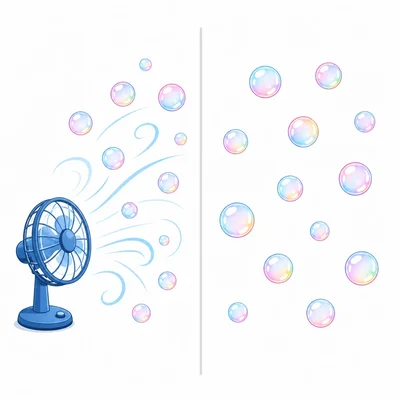
In an investigation, one group blows bubbles inside near a fan. Another group blows bubbles inside with no fan. Which setup is more likely to let bubbles last longer, and why?
- 9
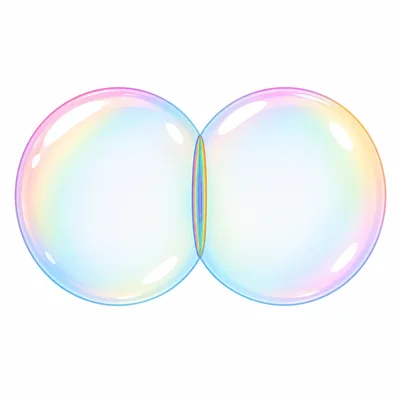
Draw or describe what happens when two bubbles touch each other gently. What shape can you see where they meet?
- 10
Why is it important to keep only one thing different during a bubble experiment, such as changing only the amount of soap?