Practice identifying robot sensors and actuators, tracing input-process-output systems, and explaining simple decision loops.
Read each problem carefully. Use complete sentences when explaining your thinking. Show your work in the space provided.
How robots sense, act, and respond to their environment
Science - Grade 6-8
- 1
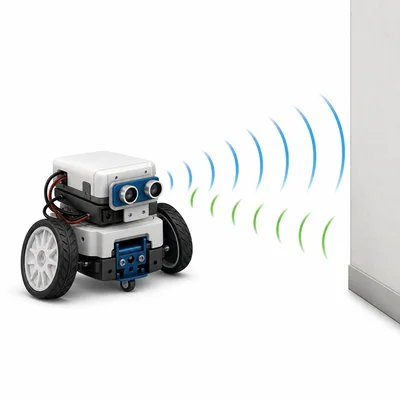
A classroom robot uses an ultrasonic sensor to detect a wall in front of it. When the wall is closer than 20 centimeters, the robot stops and turns left. Identify the sensor, the actuator, and the decision the robot makes.
- 2
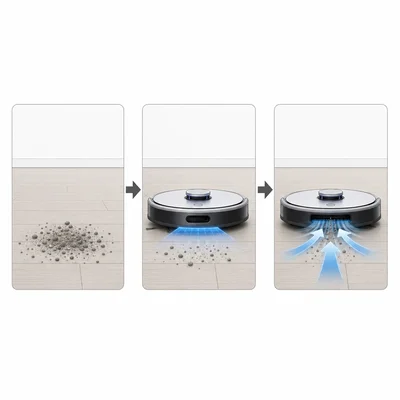
A robot vacuum senses dirt with a dust sensor. If the dust level is high, it increases suction power. Write this as an input-process-output chain.
- 3
Explain the difference between a sensor and an actuator. Give one example of each from a robot you might see at school or at home.
- 4
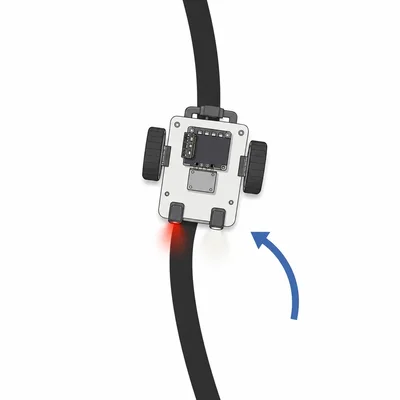
A line-following robot has two light sensors, one on the left and one on the right. If the left sensor sees black and the right sensor sees white, what should the robot do to get back on the line? Explain your reasoning.
- 5
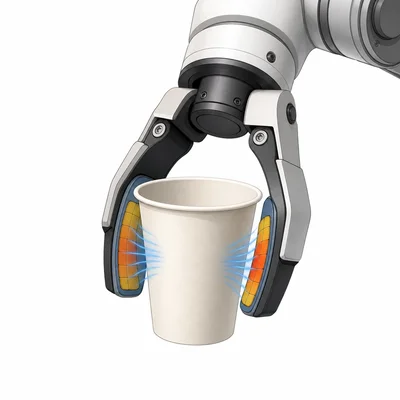
A robot arm has a gripper controlled by a motor. It also has a pressure sensor in the gripper. Why would the pressure sensor be useful when picking up a paper cup?
- 6
A robot is programmed with this rule: If the temperature is above 30 degrees Celsius, turn on the fan. Otherwise, keep the fan off. What will the robot do when the temperature sensor reads 28 degrees Celsius? Explain.
- 7
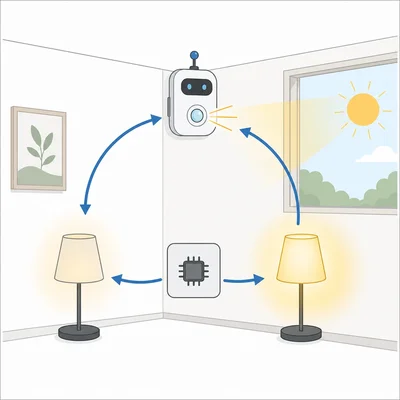
Draw or describe a decision loop for a robot that keeps a room's light level steady. The robot can read a light sensor and control a lamp.
- 8
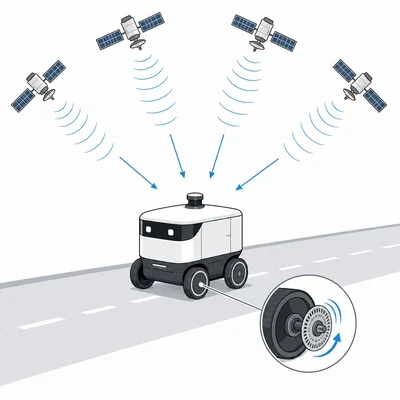
A delivery robot uses GPS to know its general location and wheel encoders to measure how far its wheels turn. Why might it need both types of sensors?
- 9
A robot's touch sensor is stuck and always reports that it is being pressed. How could this affect the robot's behavior?
- 10
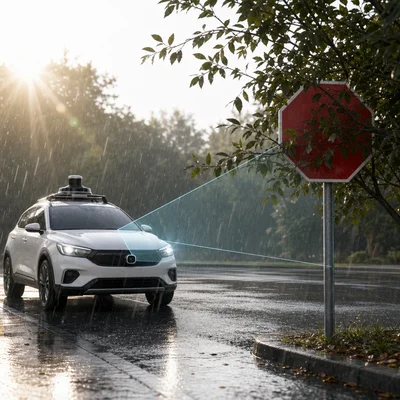
A robot car uses a camera to find red stop signs. Name one challenge the camera system might have in the real world and explain how it could affect the robot's decision.
- 11
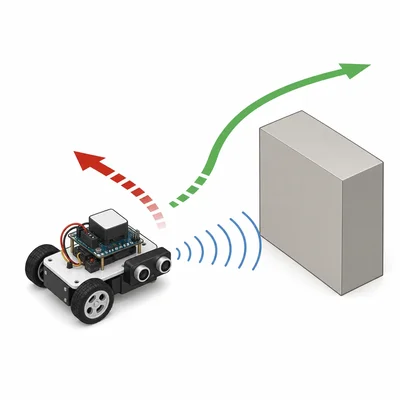
Study this simple robot rule: Read distance sensor. If distance is less than 10 centimeters, reverse motors for 1 second. If distance is 10 centimeters or more, drive forward. What is the robot trying to do?
- 12
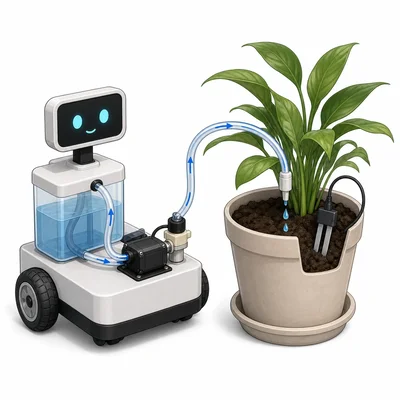
Design a simple robot for watering a classroom plant. List one sensor it would use, one actuator it would use, and one decision rule it would follow.