Practice predicting, observing, and explaining why some objects sink and some objects float.
Read each problem carefully. Think like a scientist by making predictions, using observations, and explaining your ideas.
Explore how objects act in water
Science - Grade 2-3
- 1
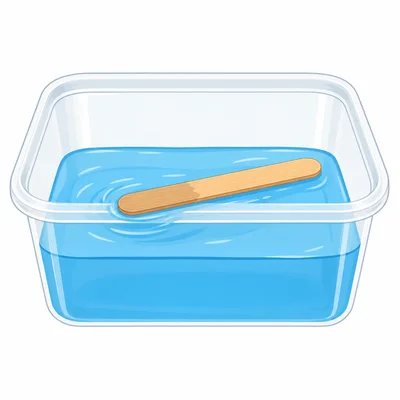
A student places a wooden craft stick in a tub of water. Predict whether it will sink or float. Explain your thinking.
- 2
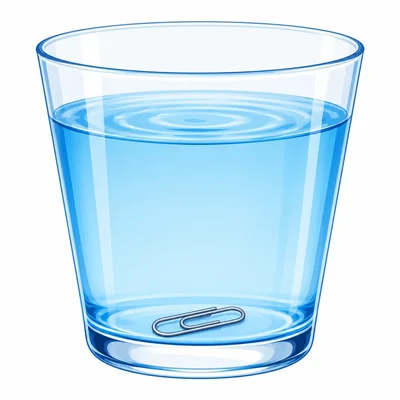
A metal paper clip is placed gently in a cup of water. It sinks to the bottom. What observation can the student write down?
- 3
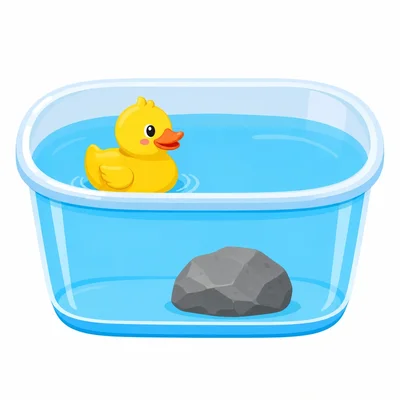
Circle the object that is more likely to float: a rubber duck or a rock. Explain why.
- 4
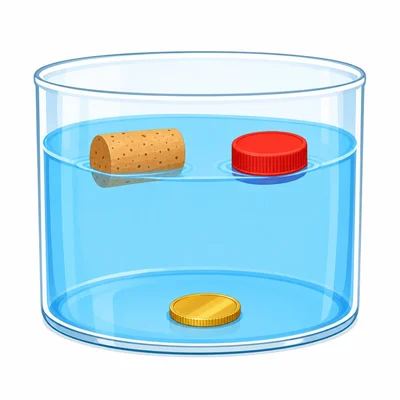
Mia tests three objects in water. The cork floats, the coin sinks, and the plastic bottle cap floats. Which objects floated?
- 5
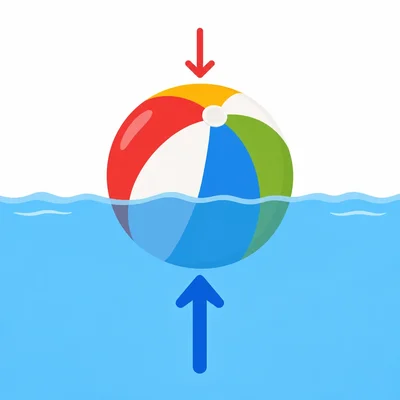
What does buoyancy mean in a sink and float experiment?
- 6
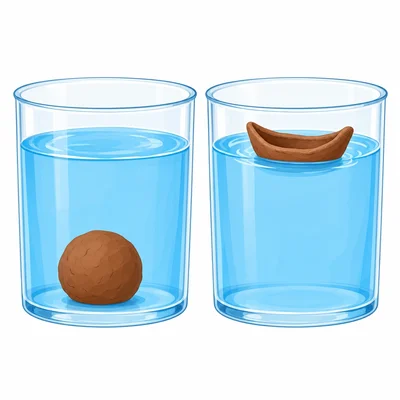
A ball of clay sinks in water. The same clay is shaped like a small boat and floats. Why can changing the shape help the clay float?
- 7
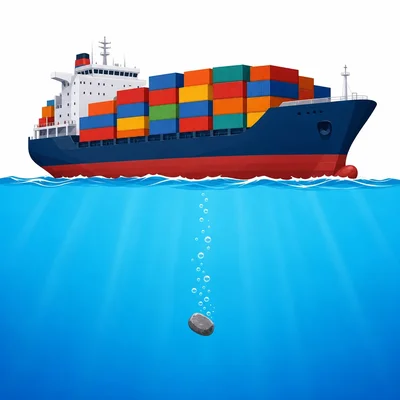
A student says, "Heavy things always sink." Is this statement always true? Use an example to explain your answer.
- 8
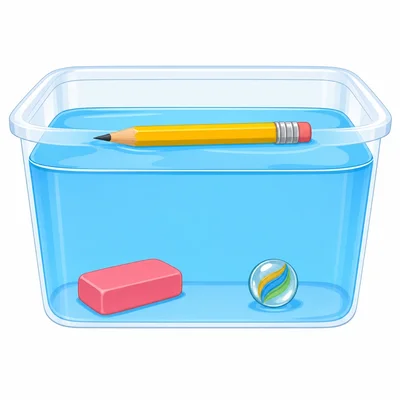
Look at this test: a pencil floats, an eraser sinks, and a marble sinks. How many objects sank, and how many objects floated?
- 9
Before doing an experiment, why should scientists make a prediction?
- 10
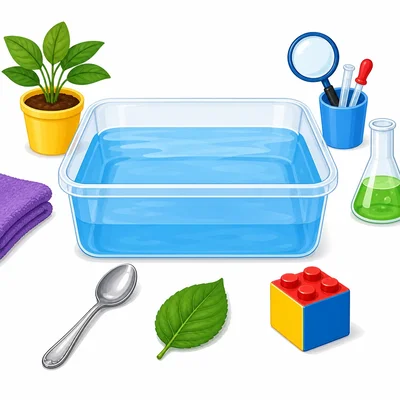
Design a simple sink and float test using a spoon, a leaf, and a toy block. What steps should you follow?