Learn about key people, events, laws, and ideas from the Civil Rights Movement and connect them to the broader struggle for equality and justice.
Read each problem carefully. Answer in complete sentences and use evidence from what you have learned when possible.
Understanding the struggle for equal rights in the United States
Social Studies - Grade 6-8
- 1
Define civil rights in your own words. Then give one example of a civil right that people have fought to protect.
- 2
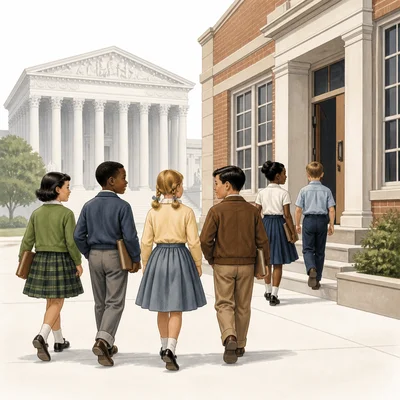
Explain why the Brown v. Board of Education Supreme Court decision in 1954 was important.
- 3
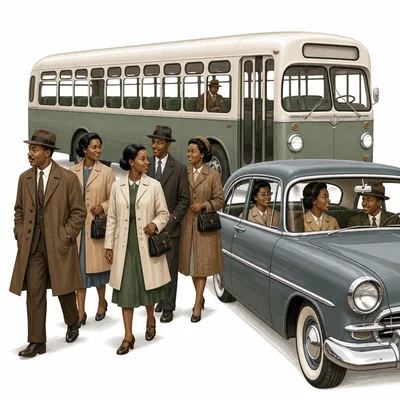
The Montgomery Bus Boycott began after Rosa Parks was arrested in 1955. What was the goal of the boycott, and how did people participate?
- 4
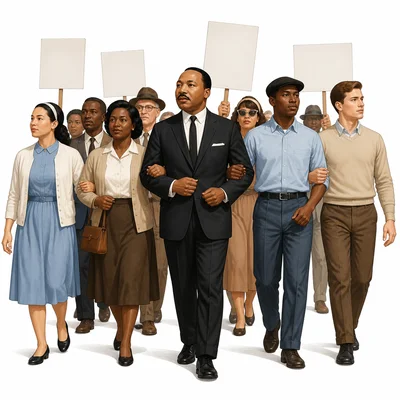
Describe one way Dr. Martin Luther King Jr. used nonviolent protest during the Civil Rights Movement.
- 5
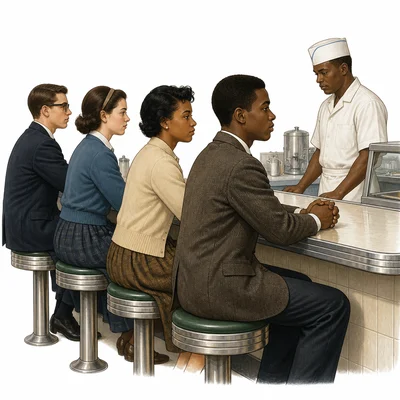
What were sit-ins, and why were they an effective form of protest?
- 6

Read the list of events: Brown v. Board of Education, Montgomery Bus Boycott, March on Washington, Civil Rights Act, Voting Rights Act. Put these events in chronological order.
- 7
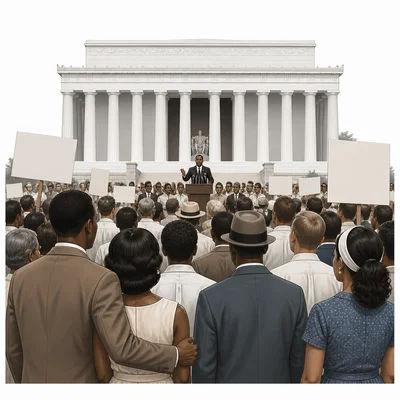
What was the March on Washington in 1963, and what famous speech did Dr. Martin Luther King Jr. give there?
- 8
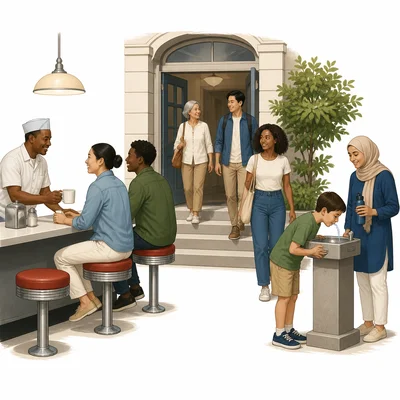
Explain the main purpose of the Civil Rights Act of 1964.
- 9
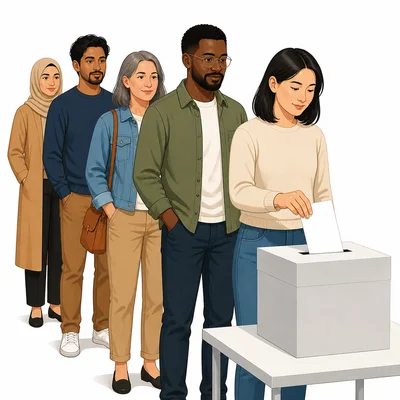
Explain the main purpose of the Voting Rights Act of 1965.
- 10
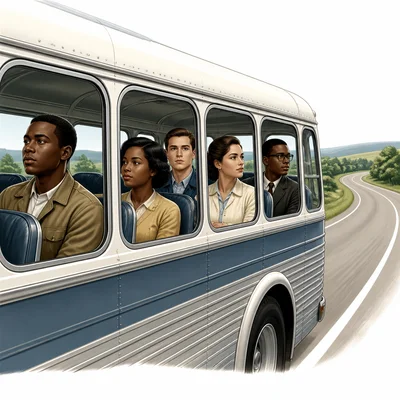
Why were Freedom Riders important to the Civil Rights Movement?
- 11
Choose one civil rights leader other than Dr. Martin Luther King Jr. and explain one contribution that person made. Examples include Rosa Parks, John Lewis, Ella Baker, Thurgood Marshall, Cesar Chavez, or Dolores Huerta.
- 12
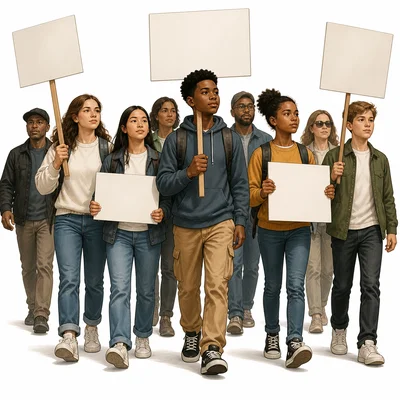
What role did young people play in the Civil Rights Movement? Give one example.
- 13
Compare nonviolent protest and legal action as strategies for civil rights. How are they different, and how can they work together?
- 14
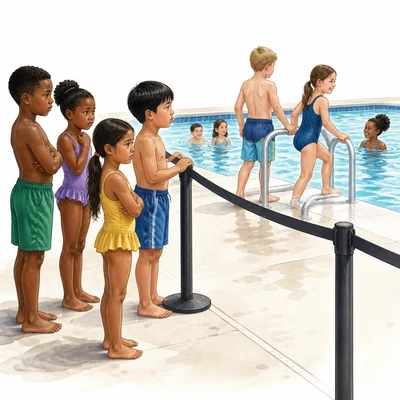
Look at this situation: A city has a rule that only some citizens can use a public swimming pool because of their race. Explain why this rule violates civil rights.
- 15
Civil rights movements did not end in the 1960s. Identify one civil rights issue people continue to discuss today and explain why it matters.