Practice understanding the Caribbean region by studying its physical geography, cultural diversity, colonial history, migration, trade, and environmental challenges.
Read each problem carefully. Use complete sentences when explaining your thinking. Show your work in the space provided.
Exploring islands, cultures, economies, and historical connections
Social Studies - Grade 6-8
- 1
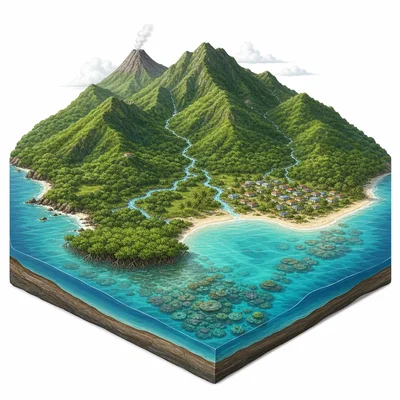
The Caribbean is a region made up of many islands and coastal areas near the Caribbean Sea. Name two types of physical features that are common in the Caribbean, and explain how one of them can affect where people live.
- 2
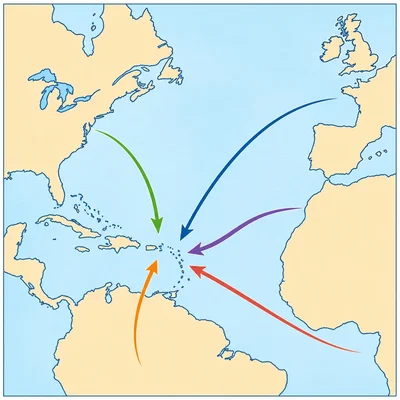
Explain why the Caribbean has been an important location for trade and travel between North America, South America, and Europe.
- 3
Many Caribbean islands were colonized by European powers such as Spain, Britain, France, and the Netherlands. Describe one way colonial rule influenced Caribbean culture.
- 4
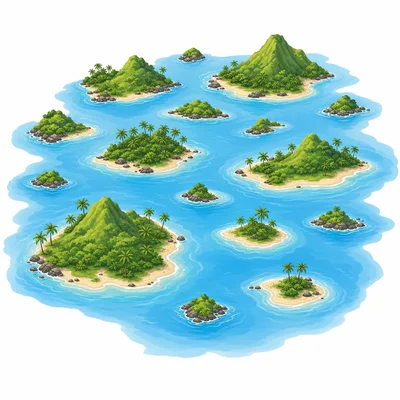
Define the term archipelago and explain how it applies to the Caribbean.
- 5
The cultures of the Caribbean include influences from Indigenous peoples, Africa, Europe, and Asia. Give two examples of cultural traditions that might show this blending of influences.
- 6
Read the statement: Tourism is a major part of many Caribbean economies. Identify one benefit and one challenge of depending heavily on tourism.
- 7
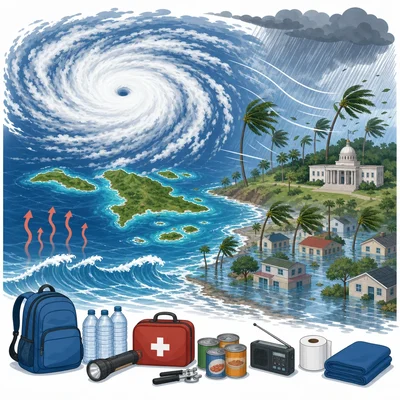
The Caribbean is located in a hurricane-prone region. Explain how hurricanes can affect people, governments, and economies in Caribbean countries.
- 8
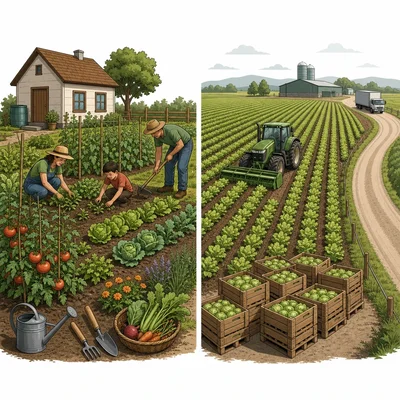
Compare subsistence farming and commercial agriculture in the Caribbean. Explain how they are different.
- 9
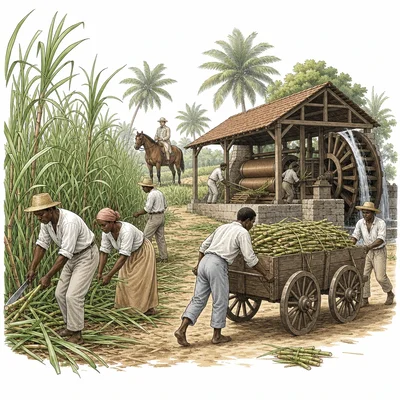
Sugar plantations were important in Caribbean history. Explain how plantation agriculture was connected to enslaved African labor.
- 10
Many Caribbean people have migrated to places such as the United States, Canada, and the United Kingdom. Give two reasons people might migrate from the Caribbean and one way migration can affect culture.
- 11
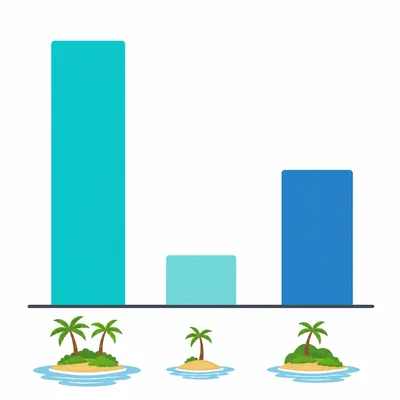
Look at this sample data for three Caribbean islands: Island A has 80 percent of workers in tourism, Island B has 25 percent of workers in tourism, and Island C has 45 percent of workers in tourism. Which island is most dependent on tourism, and what risk might it face?
- 12
Write a short paragraph explaining why it is important to study the Caribbean as both a geographic region and a cultural region.