Practice understanding hexadecimal digits, place values, conversions with decimal and binary, and common computer science uses of base 16.
Read each problem carefully. Show your work in the space provided.
Practice reading, converting, and using base 16 numbers
CS - Grade 6-8
- 1
Hexadecimal is a base 16 number system. List all 16 symbols used in hexadecimal, in order from smallest to largest.
- 2
Write the decimal value of each hexadecimal digit: A, B, C, D, E, and F.
- 3
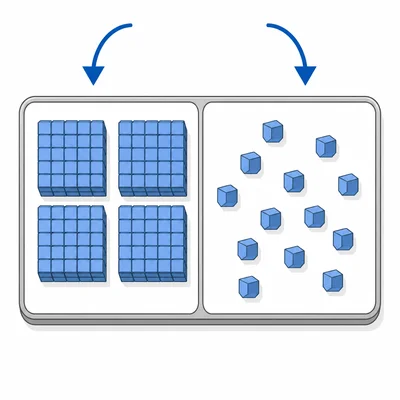
Convert the hexadecimal number 2F to decimal. Show the place values you used.
- 4
Convert the hexadecimal number 3A to decimal.
- 5
Convert the hexadecimal number 7C to decimal.
- 6
Convert the decimal number 26 to hexadecimal.
- 7
Convert the decimal number 63 to hexadecimal.
- 8
Convert the decimal number 100 to hexadecimal.
- 9
Complete the table by converting each 4-bit binary value to one hexadecimal digit: 0000, 0001, 1010, 1111.
- 10
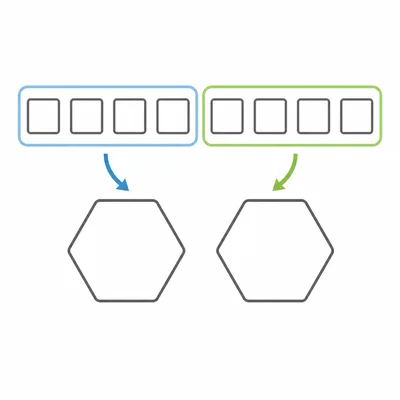
Convert the binary number 1101 0110 to hexadecimal by grouping the bits into two 4-bit groups.
- 11
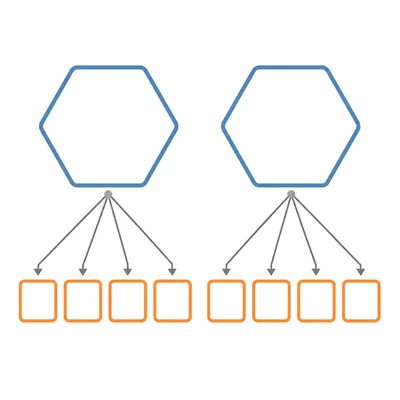
Convert the hexadecimal number 4B to binary. Write each hexadecimal digit as 4 bits.
- 12
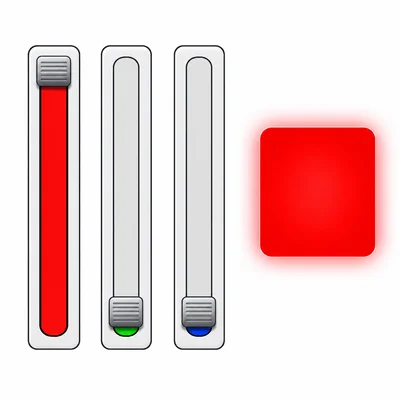
A web color is written as #FF0000. In this format, the first two hexadecimal digits are red, the next two are green, and the last two are blue. Which color channel has the highest value?
- 13
A memory address is written as 0x1C. The prefix 0x means the number is hexadecimal. What is 0x1C in decimal?
- 14
Choose the larger value: hexadecimal 2A or decimal 35. Explain your answer.
- 15
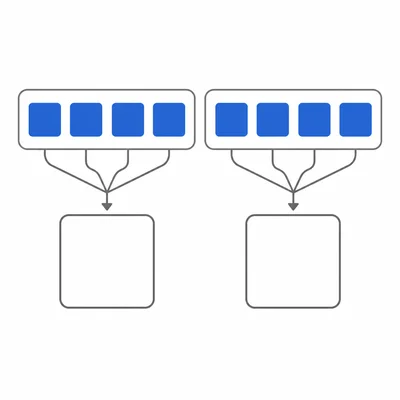
A byte is 8 bits, and it can be written as two hexadecimal digits. What is the largest value of one byte in hexadecimal, and what is that value in decimal?