Practice identifying ASL alphabet handshapes and understanding common signs used in everyday communication.
Read each problem carefully. Look at any picture clues. Write your answer in a complete sentence when you can.
Practice fingerspelling letters and recognizing everyday signs
World Languages - Grade 2-3
- 1
The ASL alphabet is used for fingerspelling. What can you spell with the ASL alphabet?
- 2
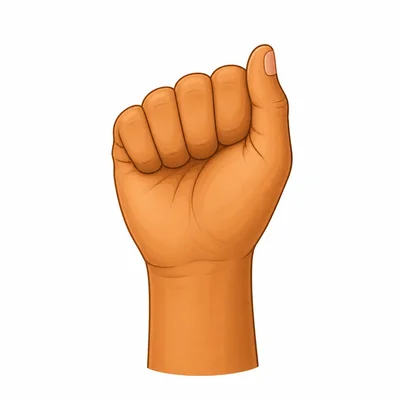
Look at the handshape for the letter A. Describe what the hand looks like.
- 3
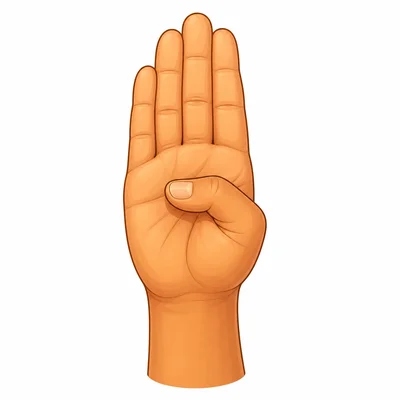
Look at the handshape for the letter B. Describe what the hand looks like.
- 4
Mia wants to fingerspell her name: M-I-A. How many letters will she sign?
- 5
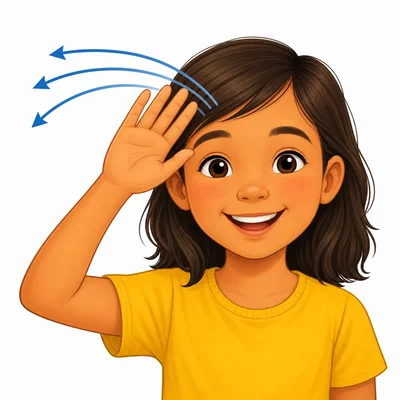
Look at the sign for hello. What friendly message does this sign show?
- 6
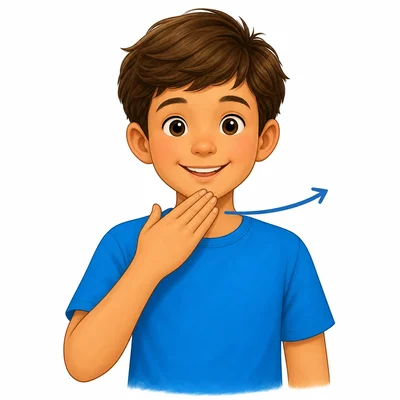
The sign for thank you starts near the chin and moves outward. When would you use this sign?
- 7
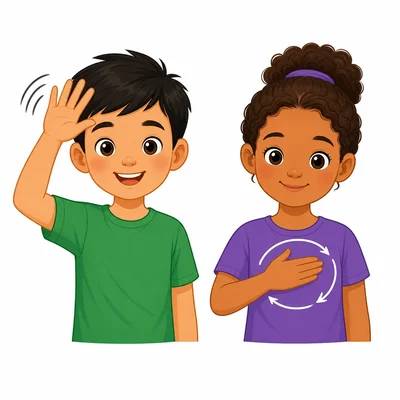
Circle the sign that means please: a hand waving near the forehead, or a flat hand moving in a circle on the chest. Explain your choice.
- 8
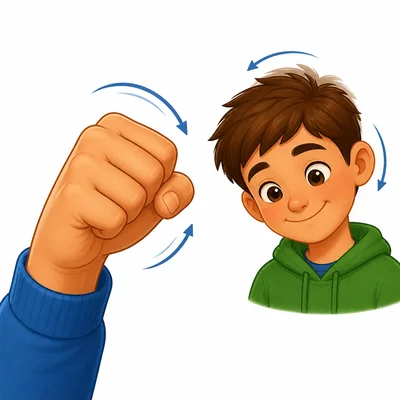
Look at the sign for yes. What object does the hand movement look like?
- 9
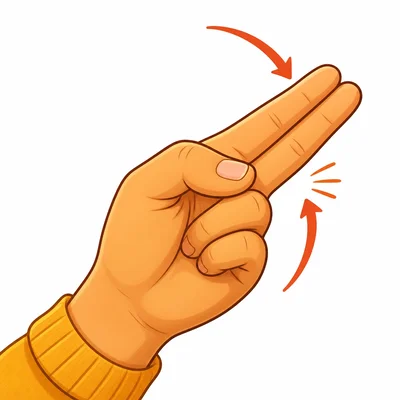
The sign for no uses the first two fingers and thumb coming together. When would you use this sign?
- 10
Write one reason it is important to look at a person's face and hands when learning ASL.
- 11
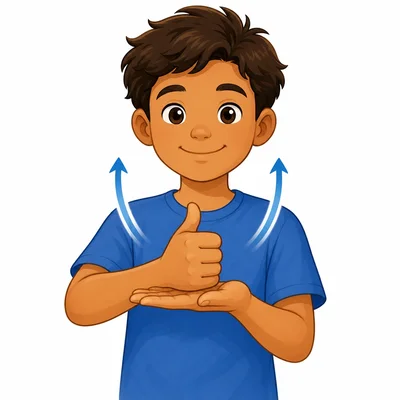
Sam wants to ask for help in ASL. The sign for help often uses one hand lifting another hand. What does this movement show?
- 12
Choose two common ASL signs from this worksheet and write when you might use each one.