Practice recognizing Mandarin Chinese tones, reading pinyin, and using basic greetings in short conversations.
Read each problem carefully. Use tone marks when asked. Show your thinking in the space provided.
Practice Mandarin tones, pinyin spelling, and simple greetings
World Languages - Grade 6-8
- 1
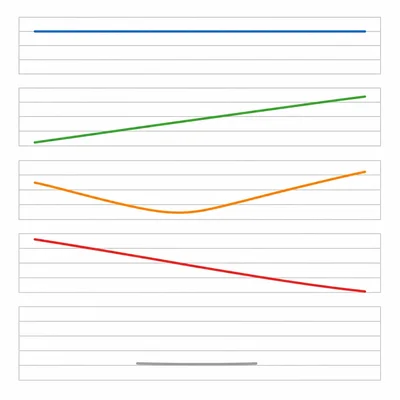
Mandarin Chinese has four main tones plus a neutral tone. Match each tone to its basic pitch pattern: first tone, second tone, third tone, fourth tone, neutral tone.
- 2
Write the tone number for each syllable: mā, má, mǎ, mà, ma.
- 3
The pinyin syllable nǐ has a tone mark over the vowel i. What tone is it, and what does nǐ mean in the greeting nǐ hǎo?
- 4
Translate the greeting nǐ hǎo into English. Then write it using Chinese characters.
- 5
Choose the correct pinyin with tone marks for 你好: ni hao, nī hāo, nǐ hǎo, nì hào. Explain your choice.
- 6
In pinyin, tone marks are usually placed over the main vowel. Add tone marks to write ma1, ma2, ma3, and ma4 correctly.
- 7
Read this short dialogue: A: Nǐ hǎo! B: Nǐ hǎo! A: Nǐ hǎo ma? B: Wǒ hěn hǎo. What is the main purpose of the dialogue?
- 8
Translate wǒ hěn hǎo into English. Identify the meaning of each word: wǒ, hěn, hǎo.
- 9
A classmate says xiè xie after you help them. What does xiè xie mean, and what could you say in English as a response?
- 10
Look at the pinyin syllables qǐng, xiè, and zài jiàn. Which phrase means goodbye, and how is it written in Chinese characters?
- 11
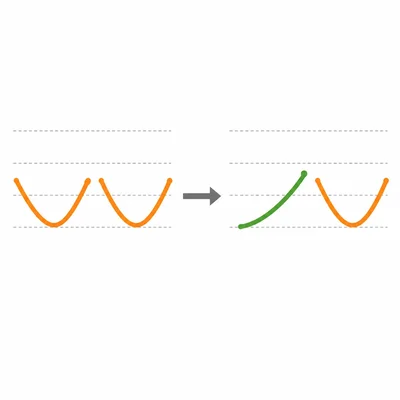
The Mandarin third tone can change in speech when two third tones are next to each other. In nǐ hǎo, the first syllable is often pronounced with a rising sound. Why does this happen?
- 12
Write a four-line Mandarin greeting conversation using pinyin with tone marks. Include hello, asking how someone is, answering, and saying goodbye.