Practice predicting, observing, and explaining why objects made from different materials float or sink.
Read each problem carefully. Think about the material, shape, and weight of each object. Show your work in the space provided.
Explore how materials behave in water
Physics - Grade 2-3
- 1
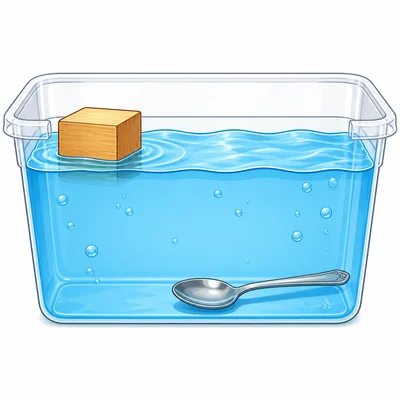
A wooden block and a metal spoon are placed in a tub of water. Which object will most likely float, and which object will most likely sink?
- 2
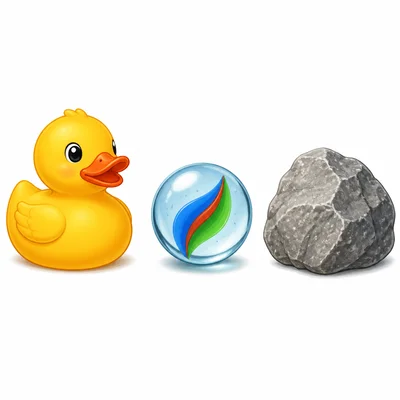
Circle the object that is most likely to float: a rubber duck, a glass marble, or a rock. Explain your choice.
- 3
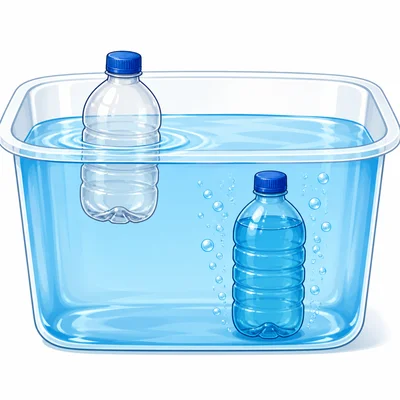
Mia drops a plastic bottle with the cap on into water. It floats. Then she fills the bottle with water and drops it in again. What will probably happen, and why?
- 4
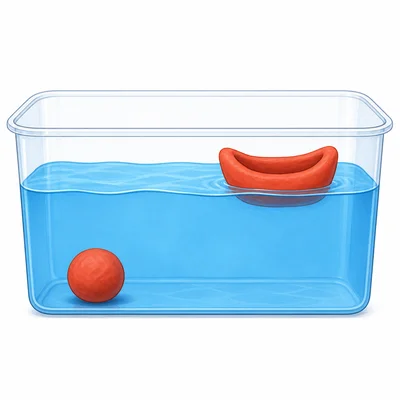
A small ball of clay sinks when placed in water. If the same clay is shaped like a little boat, it may float. Explain why changing the shape can help it float.
- 5
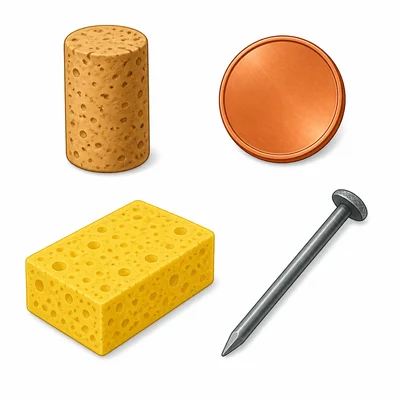
Look at this list: cork, penny, sponge, steel nail. Sort the objects into two groups: likely to float and likely to sink.
- 6
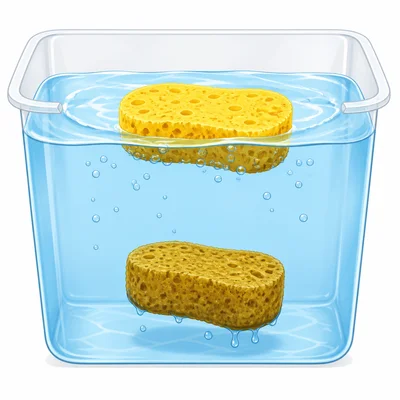
A sponge floats at first. After it soaks up a lot of water, it sinks lower in the water. Why does this happen?
- 7
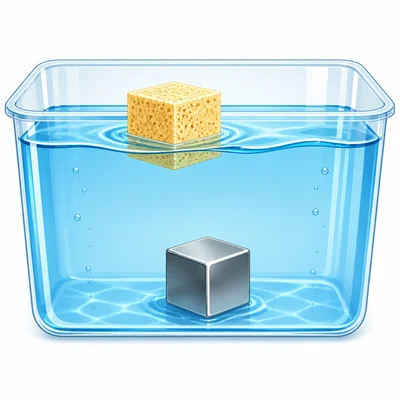
Two objects are the same size. One is made of foam, and one is made of metal. Which one is more likely to float? Explain your answer.
- 8
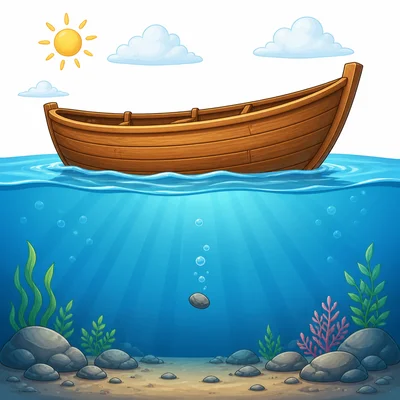
A student says, "All big things sink and all small things float." Is this always true? Use an example in your answer.
- 9
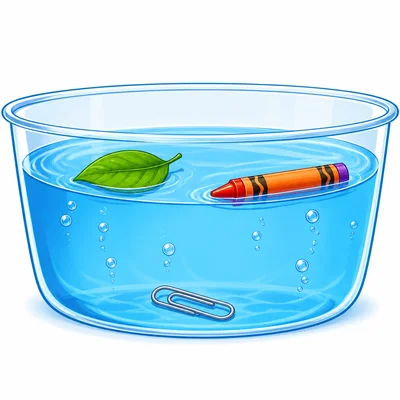
In a science test, a leaf, a paper clip, and a crayon are placed in water. The leaf floats, the paper clip sinks, and the crayon floats. Write one observation from the test.
- 10
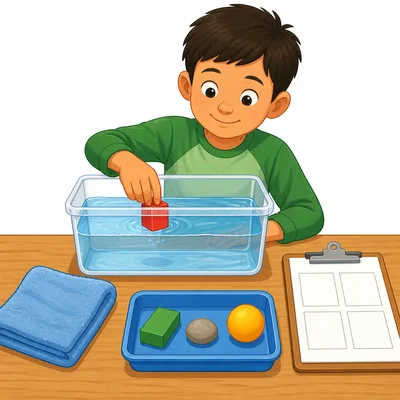
You want to test whether a new classroom object floats or sinks. Write the steps you would follow to do a fair test.