Practice identifying hot and cold objects, reading simple temperature ideas, and noticing how different materials can feel warm or cool.
Read each problem carefully. Write your answer in complete sentences when you can.
Exploring temperature, heat, and how materials feel
Physics - Grade 2-3
- 1
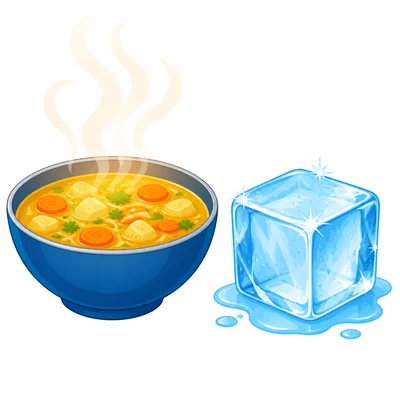
Circle the object that is usually hotter: a bowl of soup or an ice cube. Explain your choice.
- 2
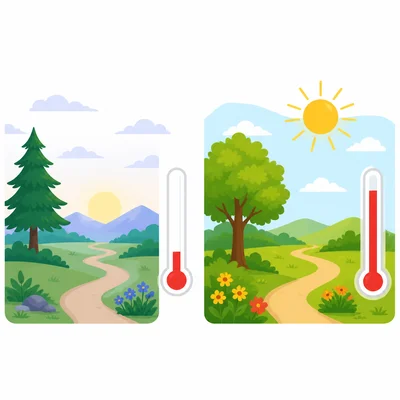
A thermometer shows a higher number in the afternoon than in the morning. What does that tell you about the air?
- 3
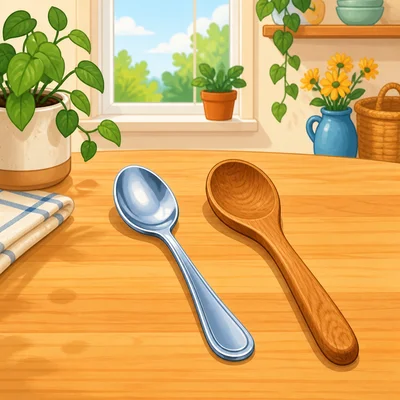
Mia touches a metal spoon and a wooden spoon that have been sitting in the same room. The metal spoon feels colder. Are they really different room temperatures? Explain.
- 4
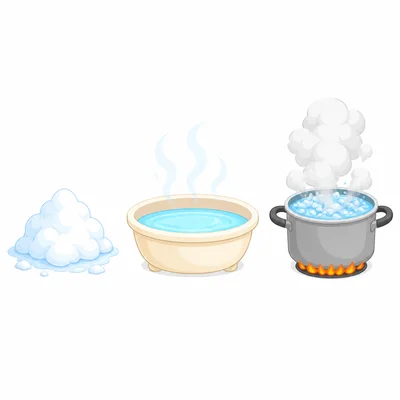
Put these in order from coldest to hottest: warm bath water, snow, boiling water.
- 5
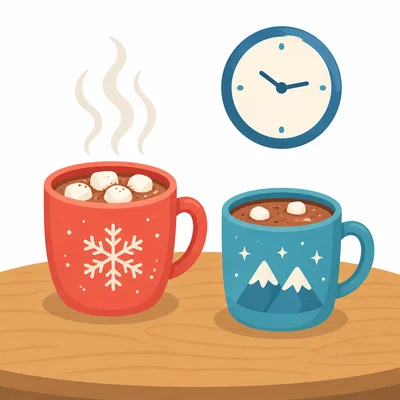
Sam puts a cup of hot cocoa on the table. After one hour, the cocoa is no longer hot. What happened to its temperature?
- 6
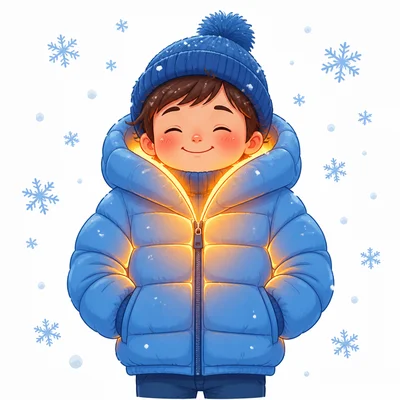
A jacket is made from thick, soft fabric. Why does wearing a jacket help you stay warm on a cold day?
- 7
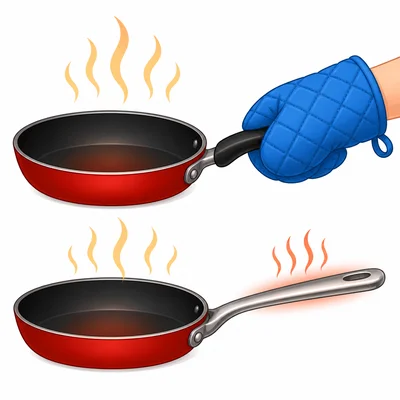
Which material would be best for holding a hot pan safely: a metal handle or a cloth oven mitt? Explain why.
- 8
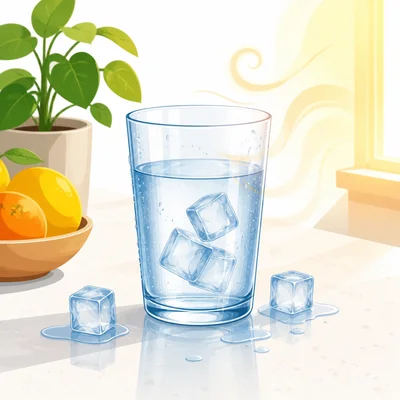
Nora leaves a glass of cold water on the counter. After a while, the water feels less cold. Did the water gain heat or lose heat?
- 9
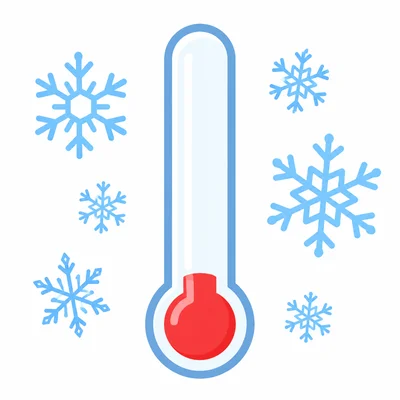
Look at a thermometer that has a red line near the bottom. Does this show a hot temperature or a cold temperature? Explain.
- 10
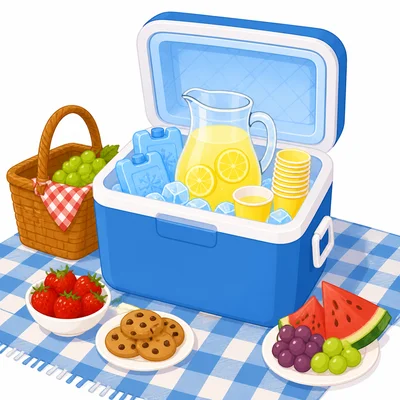
Your class wants to keep lemonade cold during a picnic. Name one material or object they could use and explain how it helps.