Analyze biotechnology tools and evaluate ethical questions related to CRISPR, cloning, and genetically modified organisms.
Read each problem carefully. Use evidence and complete sentences when explaining your reasoning.
Exploring gene editing, cloning, genetically modified organisms, and ethical decision-making
Science - Grade 9-12
- 1
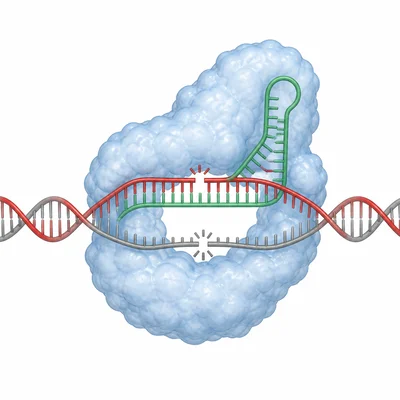
Explain the main job of CRISPR-Cas9 in gene editing. Include the roles of the guide RNA and the Cas9 enzyme.
- 2
A scientist wants to use CRISPR to treat a genetic blood disorder in a patient by editing bone marrow cells and returning them to the same patient. Is this somatic editing or germline editing? Explain your answer.
- 3
Describe one possible medical benefit and one possible risk of using CRISPR in humans.
- 4
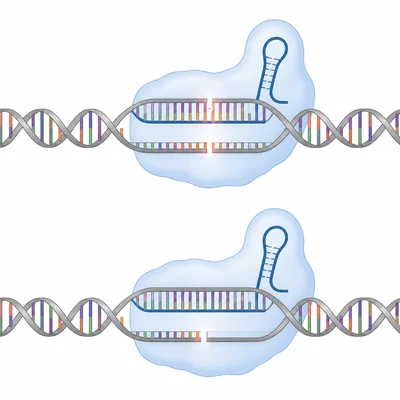
In a CRISPR experiment, the intended DNA target sequence is found once in a genome, but a very similar sequence occurs elsewhere. Explain why this could be a safety concern.
- 5
Compare reproductive cloning and therapeutic cloning. Give one key difference in their goals.
- 6
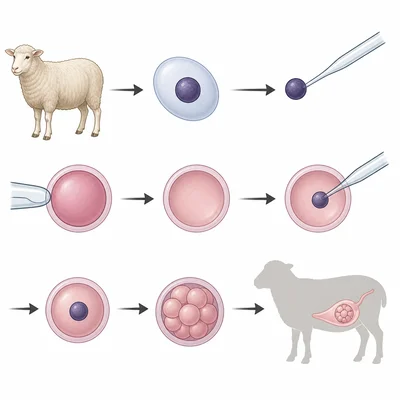
A diagram shows a sheep body cell nucleus placed into an egg cell whose nucleus was removed. The egg begins dividing and is implanted into a surrogate sheep. What biotechnology process is being shown, and what is the likely genetic relationship between the lamb and the sheep that donated the body cell nucleus?
- 7
List two reasons why cloning a beloved pet would not produce an exact copy of the original animal's personality or behavior.
- 8
Define genetically modified organism, or GMO, in your own words. Give one example from agriculture.
- 9
A GMO crop produces a protein that is toxic to a specific insect pest but not to humans. Identify one possible benefit and one possible ecological concern of planting this crop widely.
- 10
Golden Rice is engineered to produce beta-carotene, which the human body can convert into vitamin A. Explain how this GMO could help public health and identify one non-scientific factor that could affect whether it is used.
- 11
A farmer is deciding whether to plant an herbicide-tolerant GMO soybean variety. Explain one potential advantage for the farmer and one potential long-term problem if the same herbicide is overused.
- 12
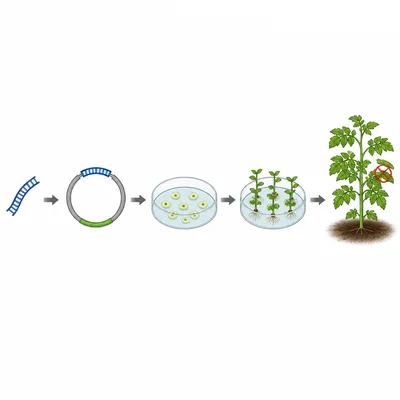
Place these biotechnology steps in the correct order for making a transgenic plant: insert the gene into plant cells, identify a useful gene, grow whole plants from modified cells, confirm the trait is expressed.
- 13
Explain why informed consent is important in a human gene therapy trial.
- 14
A company wants to edit embryos to reduce the chance of a serious inherited disease. Another company wants to edit embryos to increase adult height. Explain why society might view these two uses differently.
- 15
Use the ethical principles of benefits, risks, fairness, and consent to evaluate whether a new GMO mosquito should be released to reduce malaria. Write a balanced response.