Practice applying the engineering design process to scientific problems involving data, models, prototypes, trade-offs, and evidence-based redesign.
Read each problem carefully. Use evidence, scientific reasoning, and the engineering design process in your answers. Show your work in the space provided.
Use criteria, constraints, testing, and iteration to solve real science challenges
Science - Grade 9-12
- 1
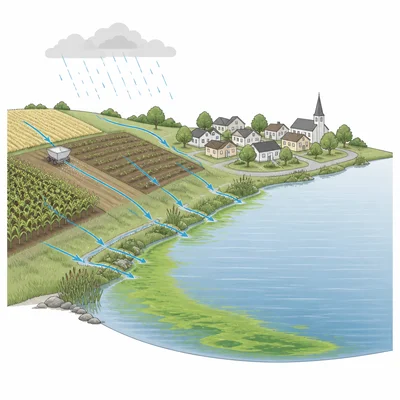
A town needs to reduce nitrate levels in a small lake caused by fertilizer runoff. Identify the problem, one design criterion, and one constraint for an engineering solution.
- 2
A student team wants to design a low-cost water filter for hiking. List three scientific questions they should research before building a prototype.
- 3
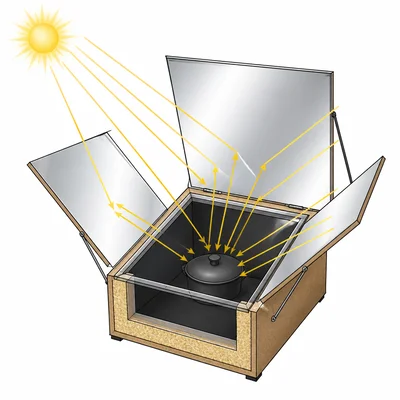
A prototype solar oven reaches 65 degrees Celsius on a sunny day, but the goal is 90 degrees Celsius. Name two possible redesigns and explain how each could increase the oven's temperature.
- 4
A design team is creating a sensor system to warn people about poor indoor air quality. Write two measurable criteria that could be used to judge whether the system works well.
- 5
A group builds three wind turbine blade designs and measures the electrical output in watts. Design A produces 2.1 W, Design B produces 3.4 W, and Design C produces 2.9 W under the same wind speed. Which design best meets the goal of maximizing electrical output, and what should the team do next?
- 6
Explain why engineers usually build and test a prototype before constructing a full-size final design.
- 7
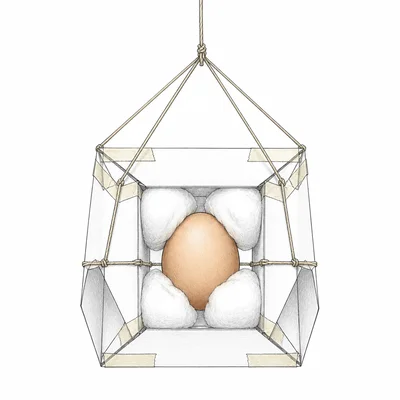
A class is designing a device to protect a raw egg during a 3-meter drop. The criteria are that the egg must not crack and the device must have a mass under 150 grams. The constraints are that only paper, tape, string, and cotton balls may be used. Propose a design and explain how it addresses the criteria and constraints.
- 8
A student says, "Our first design failed, so the project is over." Write a response explaining how failure is used in the engineering design process.
- 9
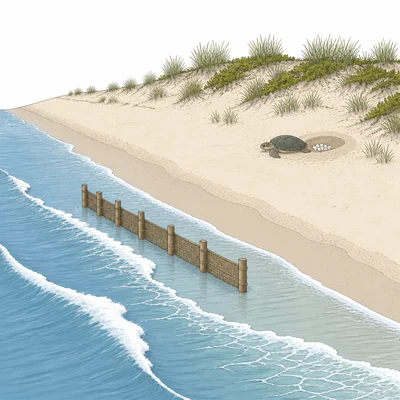
A team is designing a barrier to reduce beach erosion. They must protect the shoreline but also avoid disrupting sea turtle nesting areas. Describe one trade-off they must consider.
- 10
A lab group tests an insulated cup design by measuring water temperature every 5 minutes for 30 minutes. What type of data should they collect, and how would that data help them improve the design?
- 11
A school wants to reduce electricity use in classrooms. Apply the first three steps of the engineering design process: define the problem, research the science, and brainstorm possible solutions.
- 12
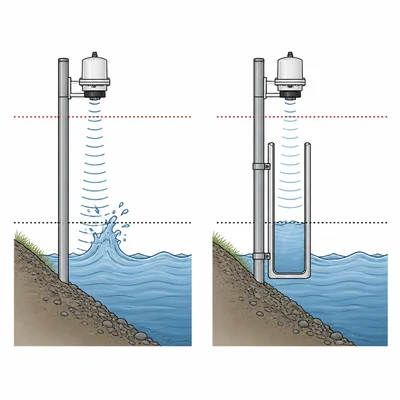
A team designs a flood warning system using a water-level sensor. During testing, the alarm sometimes triggers when waves splash the sensor even though the river level is safe. Identify the design problem and propose a redesign.
- 13
A team must choose between two materials for a bridge model. Material X is stronger but more expensive. Material Y is cheaper but bends more under load. Explain how the team should make an evidence-based decision.
- 14
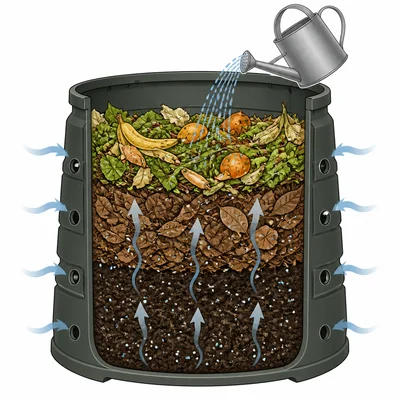
A group designing a compost bin finds that the inside stays too dry for decomposition to happen efficiently. Explain how understanding biology and chemistry can guide a redesign.
- 15
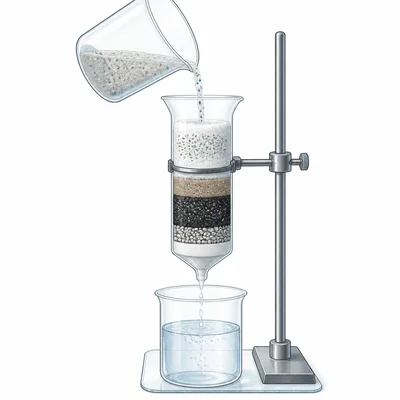
Create a brief test plan for a student-built device that removes microplastic particles from water. Include the independent variable, dependent variable, one control variable, and how success will be judged.