Practice spotting pseudoscience, bias, weak evidence, and logical fallacies in scientific and health-related claims.
Read each scenario carefully. Identify the claim, evaluate the evidence, and explain your reasoning using scientific thinking.
Evaluating scientific claims, evidence, bias, and reasoning
Science - Grade 9-12
- 1
A website claims that a bracelet can improve balance and energy because several professional athletes wear it. The site does not provide controlled studies or data. Identify one sign of pseudoscience and one logical fallacy in this claim.
- 2
A supplement company advertises, "Our product is 100% natural, so it is completely safe and better than medicine." Explain why this reasoning is flawed.
- 3
A student says, "My cold went away two days after I started drinking a special herbal tea, so the tea cured my cold." Identify the logical fallacy and explain what other explanation is possible.
- 4
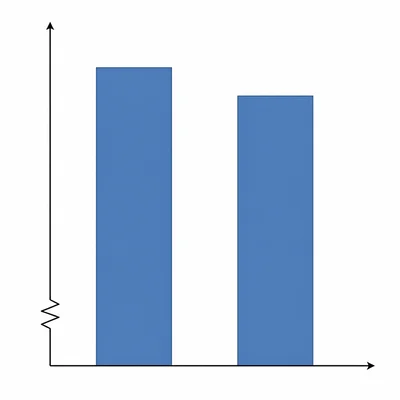
A graph in an advertisement shows a product increasing test scores from 82 to 84, but the y-axis starts at 80 instead of 0, making the increase look huge. What kind of bias or misleading presentation is being used?
- 5

A researcher tests whether a new plant fertilizer improves growth. She gives the fertilizer only to plants near a sunny window and gives no fertilizer to plants in a darker corner. Why is this a problem, and how could the experiment be improved?
- 6
An article states, "Scientists have not proven that this crystal healing method does not work, so it must work." Identify the fallacy and explain why the claim is not scientific.
- 7
A company reports that 9 out of 10 users felt better after using its product, but the survey included only 10 people who were already fans of the company. Identify two weaknesses in the evidence.
- 8
A headline says, "Eating blueberries prevents cancer," but the study only found that people who ate more blueberries had a slightly lower cancer rate. Explain the difference between correlation and causation in this example.
- 9
A social media post claims, "Doctors do not want you to know this simple cure because they make money when you stay sick." Identify the type of reasoning used and explain why it weakens the claim.
- 10
A toothpaste advertisement says, "Everyone is switching to BrightSmile. Join millions of smart people who already know it is the best." Identify the logical fallacy and describe what evidence would be stronger.
- 11
A blog post rejects a climate study because one of the scientists once made an unrelated mistake in a newspaper interview. The blog does not discuss the study's data or methods. Identify the fallacy.
- 12
A product label includes a seal that says "Scientifically Tested," but the company does not say who tested it, what was measured, or whether the results were peer reviewed. List three questions a skeptical consumer should ask.
- 13
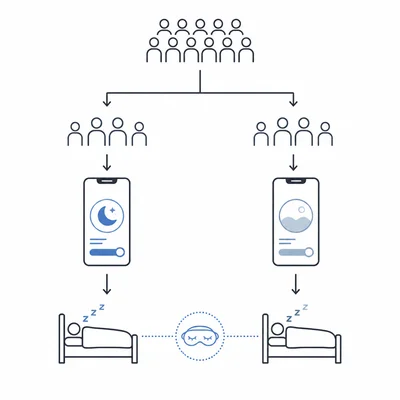
In a trial of a new sleep app, participants knew they were using the new app and reported sleeping better. There was no control group. Explain how the placebo effect could affect the results and name one improvement to the study design.
- 14
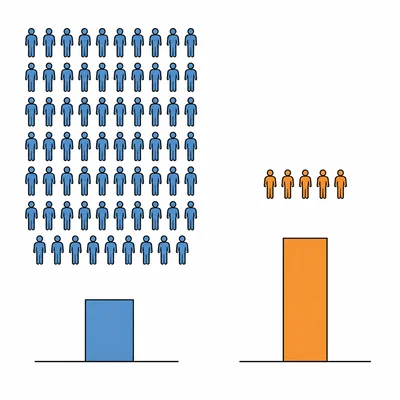
A chart compares two diets. Diet A has 80 participants and Diet B has 8 participants. Diet B shows slightly greater weight loss. Why should a scientist be cautious when interpreting the result?
- 15
A claim says, "If we require vaccines for school, the next step will be forcing every medical treatment on everyone." Identify the logical fallacy and explain why it is weak reasoning.