Practice identifying and explaining forms of civic engagement, including voting, volunteering, and advocacy.
Read each problem carefully. Use complete sentences and examples when asked. Show your thinking in the space provided.
Exploring ways people participate in their communities and democracy
Social Studies - Grade 6-8
- 1
Define civic engagement in your own words. Include at least two examples of actions that count as civic engagement.
- 2

A town is deciding whether to build a new public library. List two ways a middle school student could participate in this issue even if the student is not old enough to vote.
- 3
Explain why voting is an important responsibility in a democracy.
- 4

Read the situation: A neighborhood park has trash on the playground and walking paths. Choose whether voting, volunteering, or advocacy would be the most direct first action to help. Explain your choice.
- 5
Match each civic action to the best category: A. voting, B. volunteering, C. advocacy. 1. Helping serve meals at a shelter. 2. Signing a petition for safer crosswalks. 3. Choosing a mayor on a ballot.
- 6
A chart shows three forms of civic engagement: voting, volunteering, and advocacy. Under each heading, add one example that a community member might do.
- 7
Explain the difference between volunteering and advocacy. Use one example of each in your answer.
- 8

A group of students wants the school to start a recycling program. Write a short plan with three civic actions they could take.
- 9

Look at the sample ballot for a local election. Identify two types of decisions voters might make on a ballot.
- 10
Why is it important for people to learn about candidates and issues before voting or advocating? Give two reasons.
- 11
A community has low voter turnout in local elections. Suggest two ways citizens could encourage more people to participate, while following fair and respectful civic behavior.
- 12
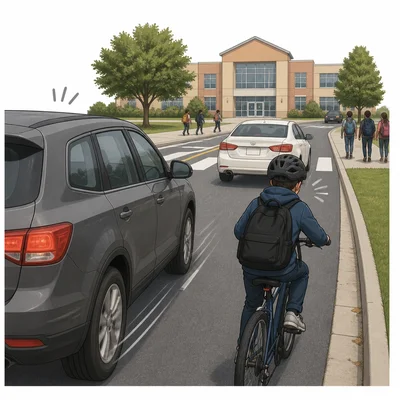
Study the civic engagement web. In the center is the problem: Unsafe bike routes near school. Add one voting action, one volunteering action, and one advocacy action that could address the problem.