Analyze the historical causes, decisions, migrations, and long-term effects of the Partition of India and Pakistan in 1947.
Read each problem carefully. Use historical evidence, clear reasoning, and complete sentences in your answers.
Causes, consequences, and human experiences of 1947
Social Studies - Grade 9-12
- 1
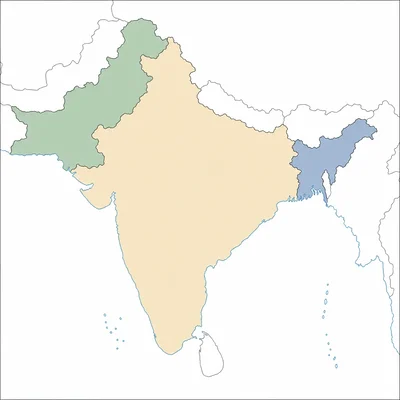
Explain what the Partition of India and Pakistan was. Include the year it happened and the two new nations created at independence.
- 2
Identify two major causes of Partition. Explain how each cause contributed to the decision to divide British India.
- 3
Compare the goals of the Indian National Congress and the Muslim League during the final years of British rule in India.
- 4
Describe the role of Lord Mountbatten in the Partition process. Why has the speed of the transfer of power been criticized by some historians?
- 5
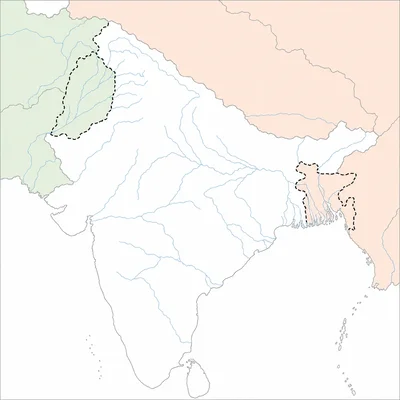
The Radcliffe Line divided Punjab and Bengal between India and Pakistan. Explain why drawing this border was so difficult and controversial.
- 6
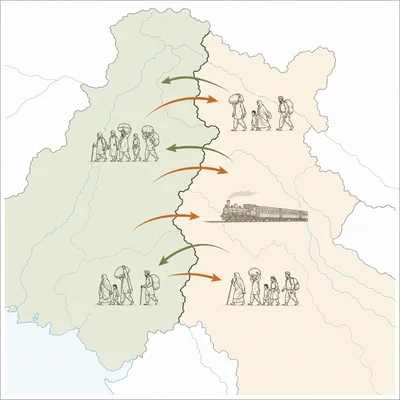
Partition caused one of the largest migrations in modern history. Explain who migrated, why they migrated, and what dangers many migrants faced.
- 7
Analyze how Partition affected women and children. Include at least two specific types of harm or hardship they faced.
- 8
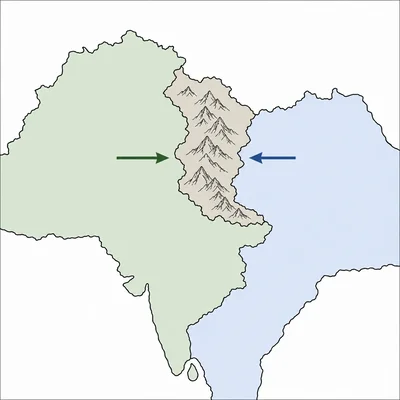
Use a cause-and-effect structure to explain how Partition contributed to later conflict between India and Pakistan.
- 9
A historian studies refugee letters, government reports, newspaper articles, and oral histories about Partition. Explain why using multiple types of sources is important when studying this event.
- 10
Write a short historical reflection on why Partition remains important today. Include one political effect and one human or cultural effect.