Analyze how the Qing Dynasty shaped modern China through expansion, trade, conflict, reform, nationalism, and debates over sovereignty.
Read each problem carefully. Use specific evidence, key terms, and clear reasoning in your responses.
Imperial rule, foreign pressure, reform, revolution, and historical memory
Social Studies - Grade 9-12
- 1
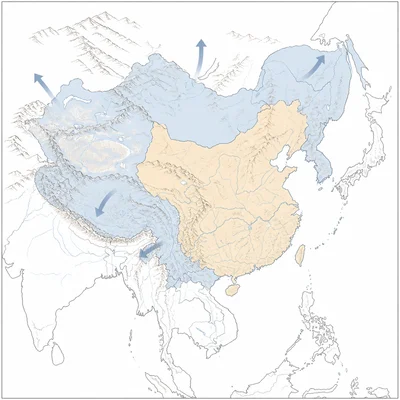
Explain two ways the Qing Dynasty expanded or strengthened the Chinese empire during the 1600s and 1700s.
- 2
The Qing rulers were Manchus, not Han Chinese. Describe one challenge this created and one way Qing leaders tried to address it.
- 3
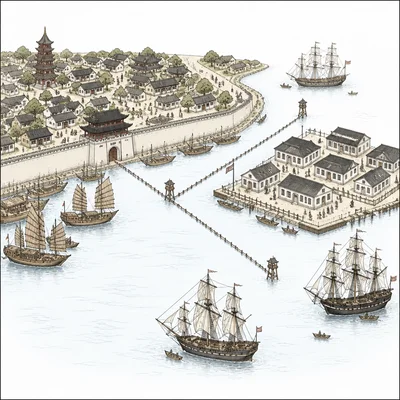
What was the Canton System, and why did it matter for Qing relations with European traders?
- 4
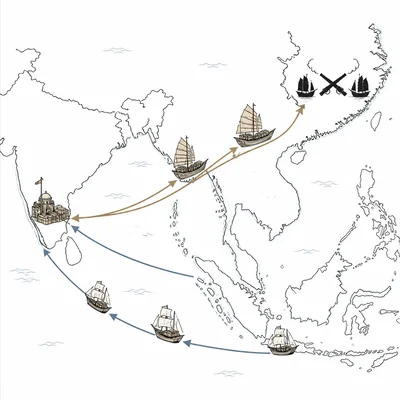
Explain how the opium trade contributed to conflict between Britain and Qing China in the 1800s.
- 5
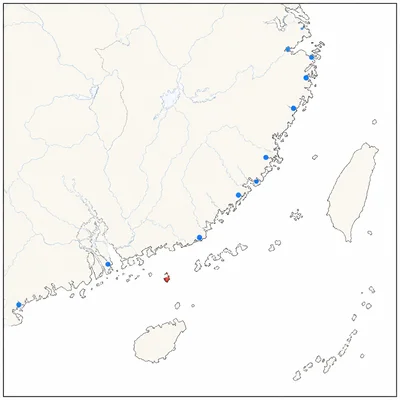
Describe two major results of the Treaty of Nanjing in 1842.
- 6
Define the term unequal treaty and explain why many Chinese reformers and nationalists later viewed these treaties as humiliating.
- 7
Compare the Taiping Rebellion and the Boxer Uprising. Identify one similarity and one difference.
- 8
Analyze why the Self-Strengthening Movement had limited success in strengthening Qing China.
- 9
Place these events in chronological order and briefly explain how they show Qing decline: First Opium War, Taiping Rebellion, Boxer Uprising, 1911 Revolution.
- 10
How did the 1911 Revolution change China's political system?
- 11
Explain how memories of the Qing period and the unequal treaties have influenced modern Chinese nationalism.
- 12
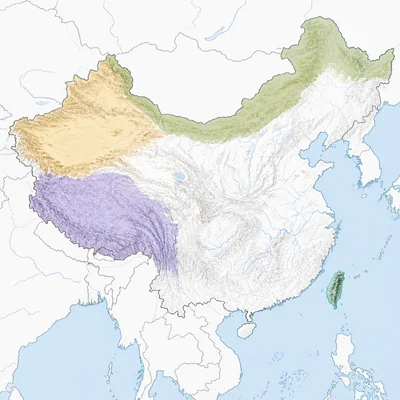
Modern China includes regions that were important in the Qing Empire, such as Tibet, Xinjiang, Taiwan, and Inner Mongolia. Explain why Qing history is still relevant to modern debates about China's borders and identity.