Practice recognizing colors on the color wheel and learning how artists use color in their artwork.
Read each problem carefully. Use color words in your answers. Show your thinking in the space provided.
Exploring primary, secondary, warm, and cool colors
Art History - Grade 2-3
- 1
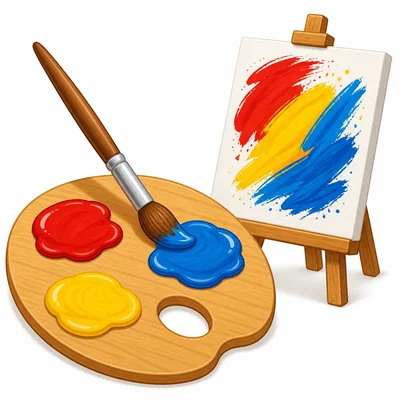
The three primary colors are red, yellow, and blue. Name one primary color and describe where you might see it in a painting.
- 2
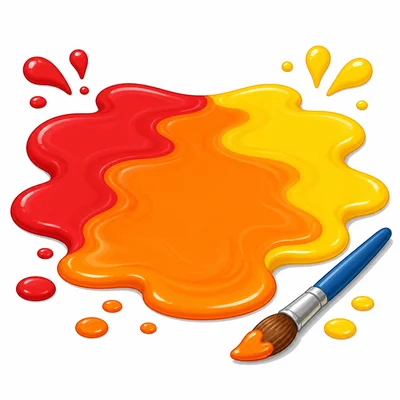
When an artist mixes red and yellow, what secondary color is made?
- 3
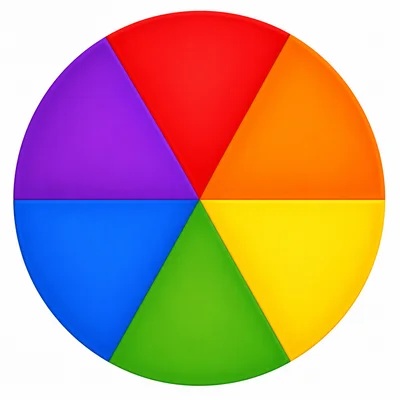
Look at a color wheel. Which color is usually between yellow and blue when those colors are mixed together?
- 4
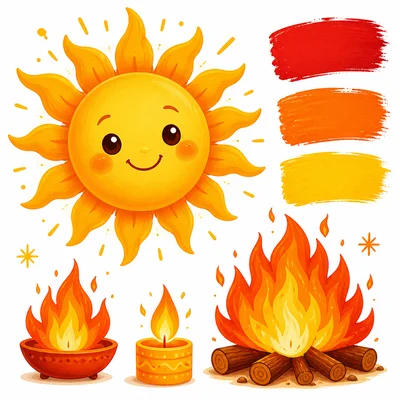
Circle the warm colors in this list: red, blue, orange, green, yellow, purple.
- 5
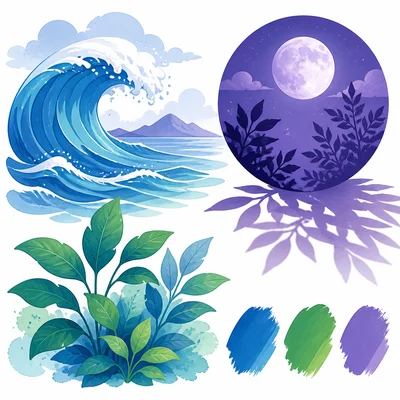
Circle the cool colors in this list: red, blue, orange, green, yellow, purple.
- 6

An artist paints a sunny beach using yellow sand, orange sunlight, and red umbrellas. Are these mostly warm colors or cool colors?
- 7
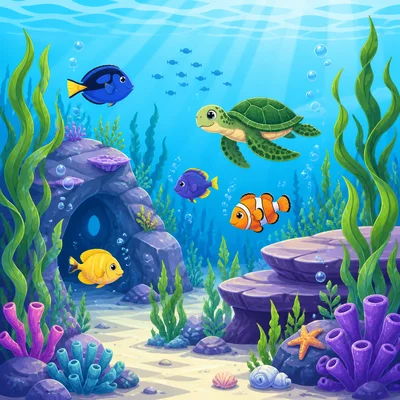
An artist paints an ocean scene using blue water, green seaweed, and purple shadows. Are these mostly warm colors or cool colors?
- 8
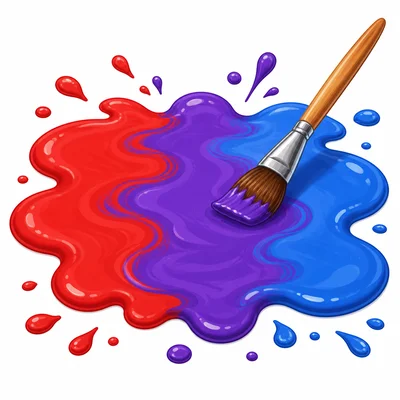
Purple is a secondary color. Which two primary colors mix together to make purple?
- 9
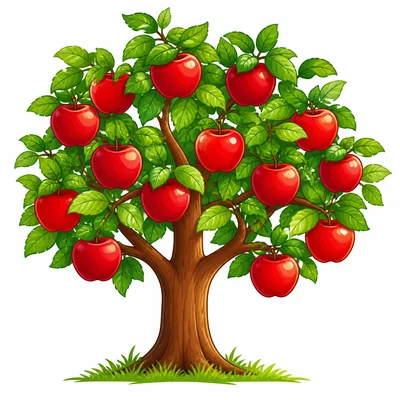
Complementary colors are across from each other on the color wheel. Red and green are complementary colors. How might an artist use red and green together in a picture?
- 10
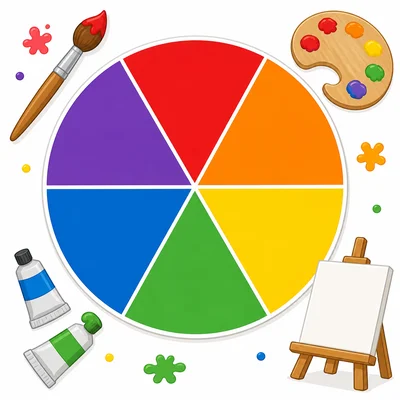
Choose one color from the color wheel. Write the color name and tell how it could make a picture feel.