Practice identifying key features of Impressionism and early Modern Art, comparing artists, and explaining how art movements reflected changes in society.
Read each problem carefully. Use complete sentences when explaining your thinking. Show your work in the space provided.
Exploring changing styles, subjects, and ideas in art
Art History - Grade 6-8
- 1
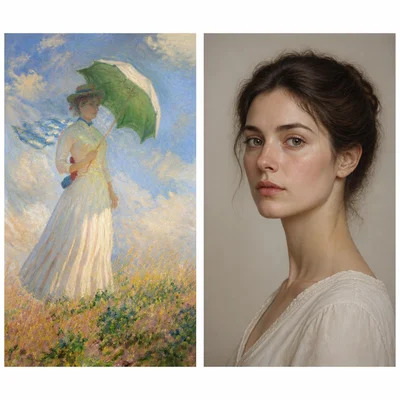
Impressionist painters often used loose brushstrokes, bright colors, and scenes of everyday life. Describe two ways an Impressionist painting might look different from a very detailed realistic portrait.
- 2
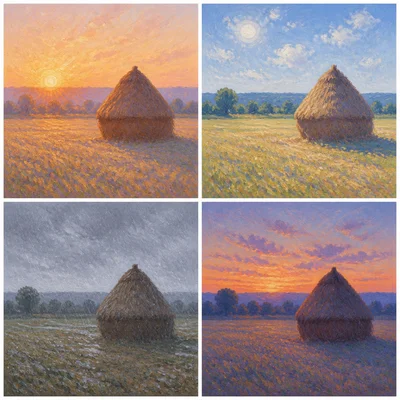
Claude Monet painted the same subjects, such as haystacks and water lilies, many times. Explain why an artist might paint the same subject at different times of day or in different weather.
- 3
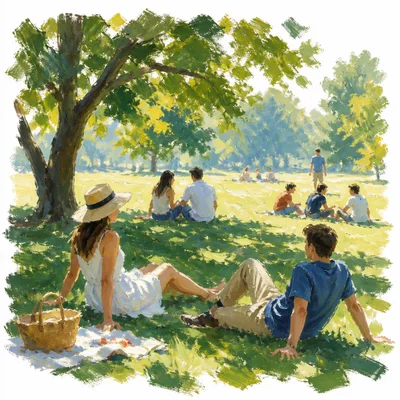
A painting shows people relaxing in a park, with quick brushstrokes and patches of sunlight on the grass. Is this description more likely Impressionist or Renaissance? Explain your answer.
- 4
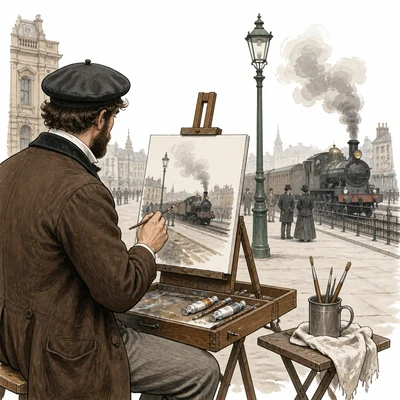
Impressionism developed in the late 1800s. Name one modern invention or social change from that time that helped artists paint scenes of modern life, and explain its effect.
- 5
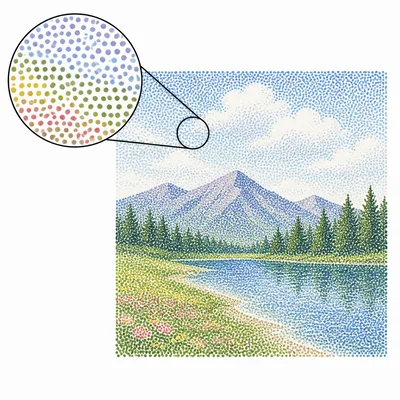
Study a painting that uses small dots of color that blend in the viewer's eye from a distance. What art style does this describe, and how is it connected to Impressionism?
- 6
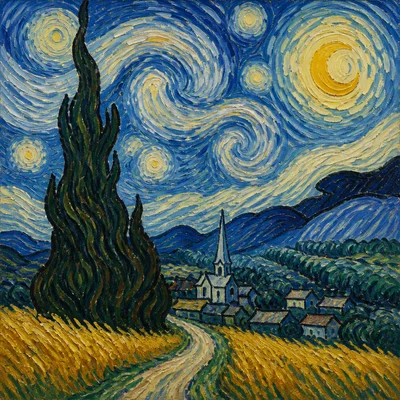
Vincent van Gogh is often linked with Post-Impressionism. Describe one way Post-Impressionist art went beyond Impressionism.
- 7
A student says, 'Modern Art means art made only in the present day.' Explain why this statement is not accurate in art history.
- 8
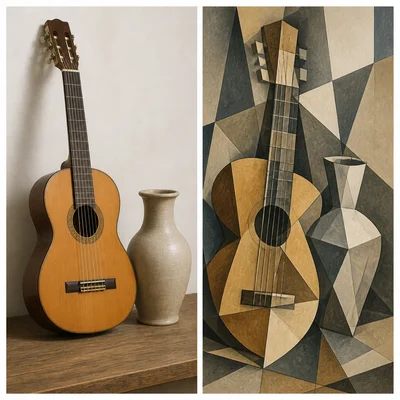
Cubist artists, such as Pablo Picasso and Georges Braque, often showed objects from several viewpoints at the same time. Explain how this was different from traditional realistic art.
- 9
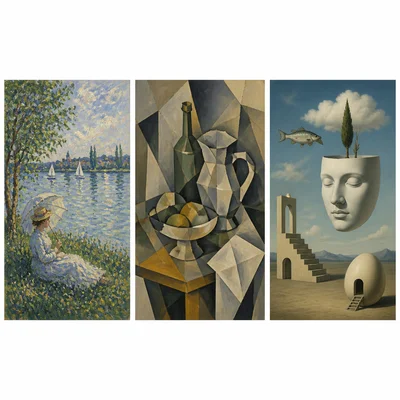
Match each movement with the best description: Impressionism, Cubism, Surrealism. Descriptions: A. dreamlike scenes and unexpected combinations, B. broken forms and multiple viewpoints, C. loose brushstrokes and changing light.
- 10
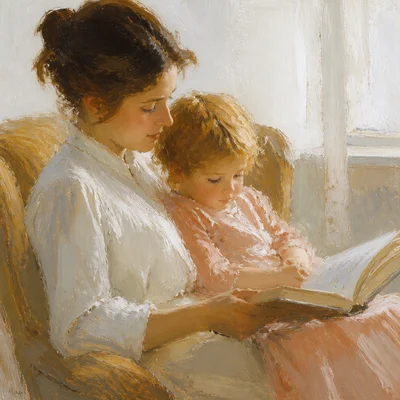
Mary Cassatt often painted women and children in everyday settings. Explain how her subject matter connects to Impressionism.
- 11
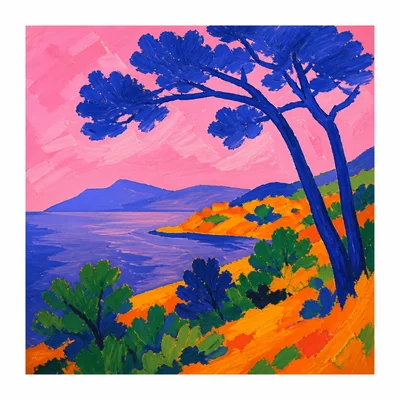
Look at the color choices in many Fauvist paintings. Artists like Henri Matisse used bold, unrealistic colors. What effect might these colors have on the viewer?
- 12
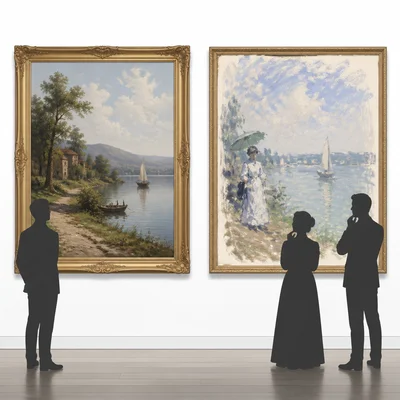
Explain one reason some people in the 1800s criticized Impressionist paintings when they were first shown.
- 13
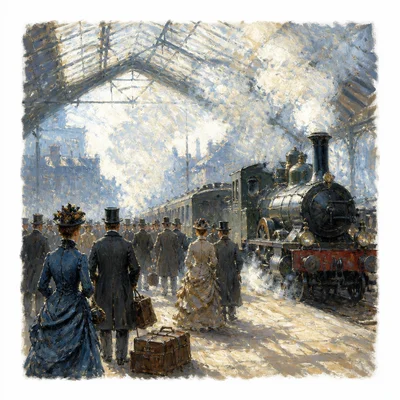
A painting shows a train station filled with steam, people, and light. Explain why this subject would have been interesting to Impressionist artists.
- 14
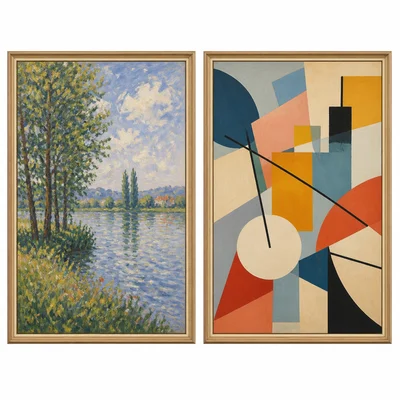
Compare Impressionism and Abstract Art. Write one similarity and one difference.
- 15
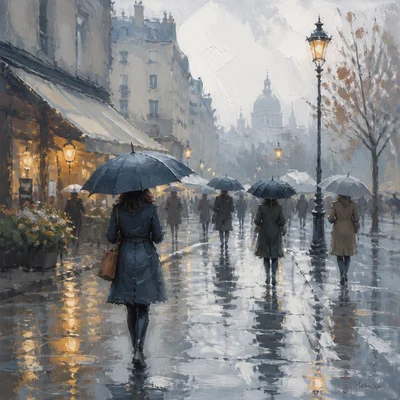
Create a short museum label for an imaginary Impressionist painting of a rainy city street. Include the subject, at least two Impressionist features, and what mood the painting creates.