Analyze how artists use symbols, materials, composition, color, and context to communicate meaning.
Read each problem carefully. Use complete sentences and support your ideas with visual evidence when possible.
Interpreting visual symbols across cultures and time periods
Art History - Grade 9-12
- 1
Define the term symbol in art history. Then give one example of a symbol that can carry meaning in an artwork.
- 2

Look at a painting that includes a skull, an hourglass, and a fading candle. Explain what these objects might communicate together in a vanitas artwork.
- 3
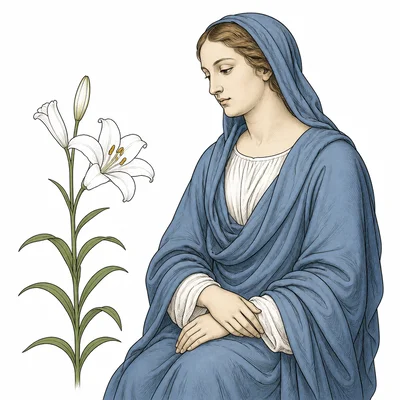
In many Renaissance Christian artworks, a lily is associated with the Virgin Mary. Explain how knowing this symbol changes the way a viewer understands a scene.
- 4
Compare literal meaning and symbolic meaning in art. Use a red rose as your example.
- 5
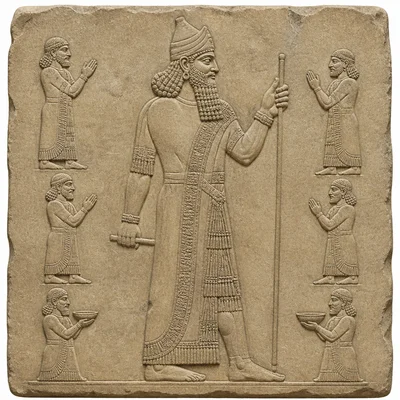
A ruler is shown larger than all other figures in an ancient relief sculpture. Explain what this difference in scale may communicate.
- 6
Choose one color and explain how its meaning can change depending on culture or historical context.
- 7
Explain why an art historian should study the original context of an artwork before interpreting its symbols.
- 8
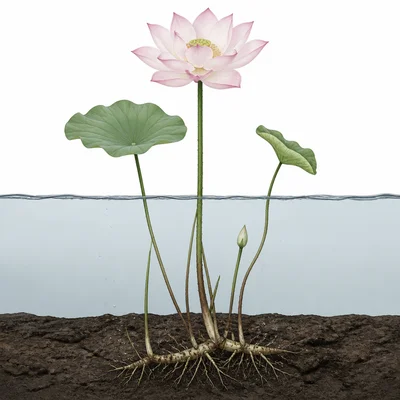
In Buddhist art, a lotus flower often grows from muddy water but blooms clean above the surface. Explain what the lotus can symbolize.
- 9

A protest poster shows a clenched fist raised above a crowd. Analyze what the fist may communicate as a symbol.
- 10

Explain how clothing can function as a symbol in a portrait. Include one possible example.
- 11
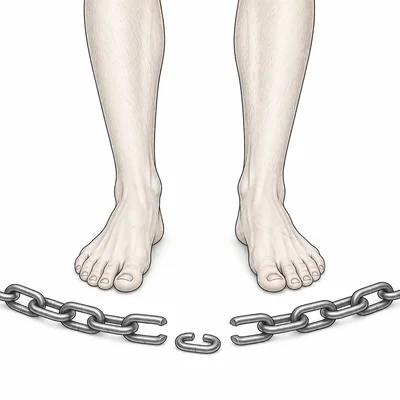
An artwork includes a broken chain at a person’s feet. Explain two possible meanings this symbol could have.
- 12
Explain the difference between iconography and personal interpretation when studying a work of art.
- 13

A contemporary artist uses recycled plastic bottles to create a large sculpture of a sea creature. Explain how the material itself adds symbolic meaning.
- 14
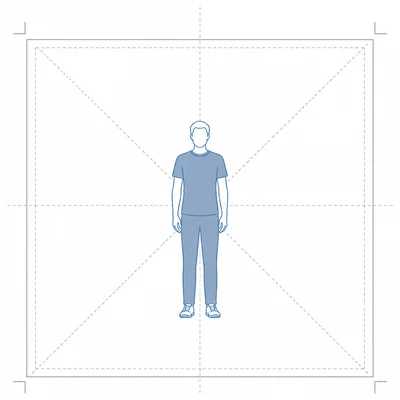
Describe how composition can communicate meaning in an artwork. Use the placement of a figure in the center as your example.
- 15
Choose an artwork you have studied or seen. Identify one symbol in it and explain how that symbol contributes to the artwork’s overall message.