Practice explaining solar and lunar eclipses using the geometry of the Sun, Earth, and Moon.
Read each problem carefully. Use eclipse vocabulary such as Sun, Earth, Moon, shadow, umbra, penumbra, solar eclipse, and lunar eclipse. Show your work or explain your thinking in the space provided.
Exploring how the Sun, Earth, and Moon line up
Astronomy - Grade 6-8
- 1
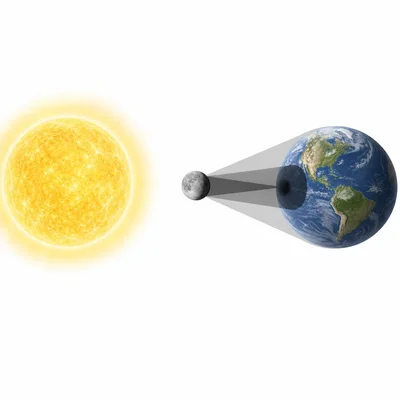
In a solar eclipse, what is the order of the Sun, Moon, and Earth in space? Explain which object casts a shadow and which object receives the shadow.
- 2
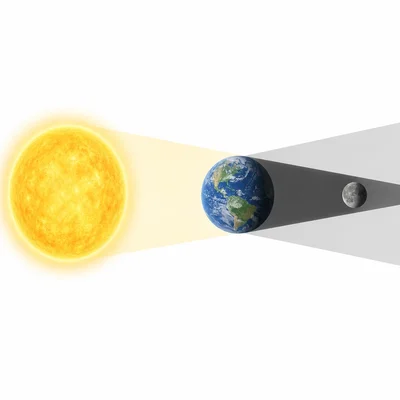
In a lunar eclipse, what is the order of the Sun, Earth, and Moon in space? Explain which object casts a shadow and which object passes through the shadow.
- 3
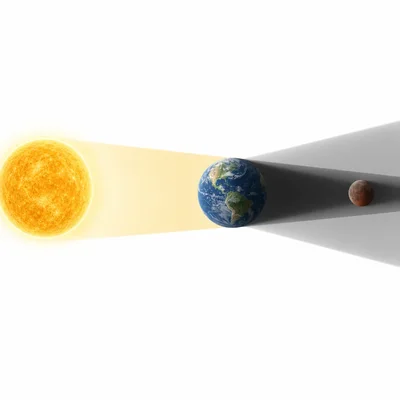
A student says, "A lunar eclipse happens when the Moon blocks the Sun from Earth." Explain why this statement is incorrect.
- 4
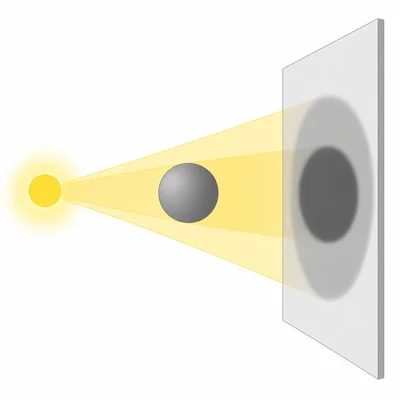
Draw or describe the umbra and penumbra of a shadow. How are they different?
- 5
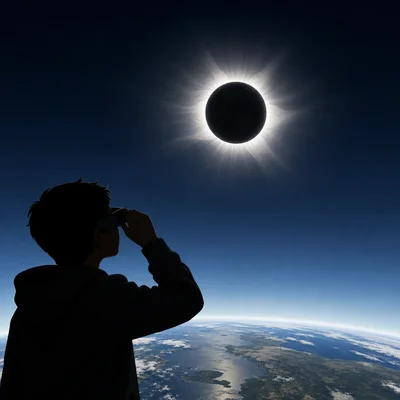
During a total solar eclipse, an observer stands in the Moon's umbra on Earth. What does the observer see, and why?
- 6
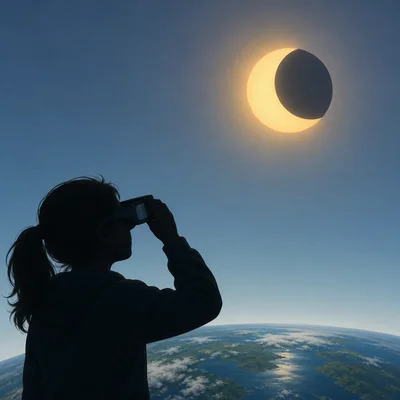
During a partial solar eclipse, an observer stands in the Moon's penumbra on Earth. What does the observer see, and why?
- 7
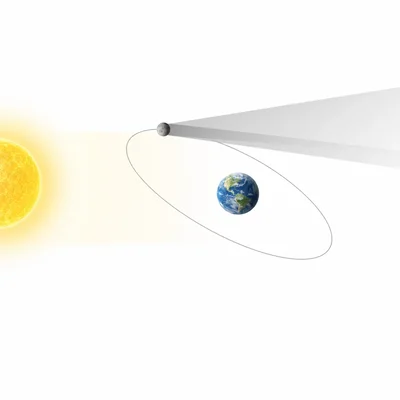
Why does a solar eclipse not happen at every new moon, even though the Moon is between the Sun and Earth at new moon?
- 8
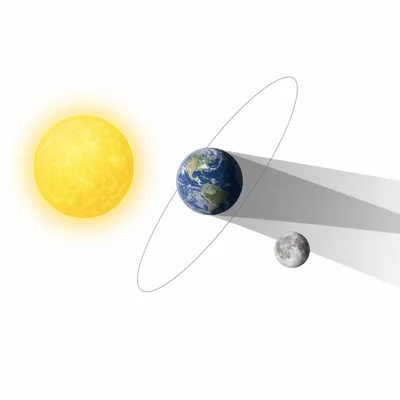
Why does a lunar eclipse not happen at every full moon, even though Earth is between the Sun and Moon at full moon?
- 9
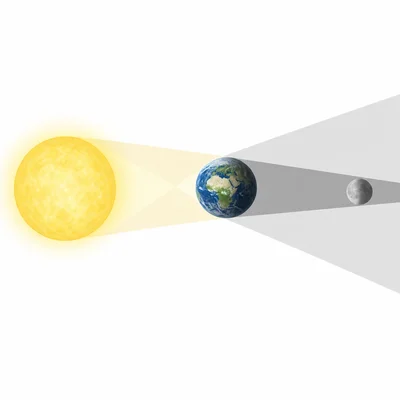
A diagram shows the Sun, Earth, and Moon almost in a straight line. The Moon is on the opposite side of Earth from the Sun, but it passes only through Earth's penumbra. What type of eclipse is this, and what would the Moon look like?
- 10
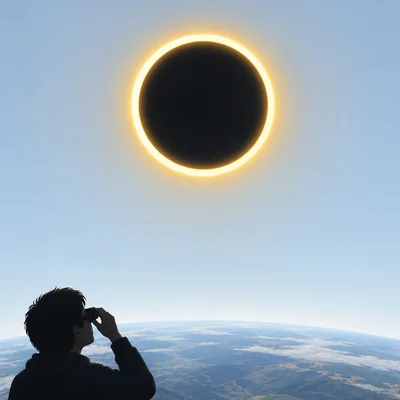
The Moon's average distance from Earth is about 384,000 kilometers. During some solar eclipses, the Moon appears slightly too small to cover the Sun completely. What type of solar eclipse can happen then, and what would observers see?
- 11
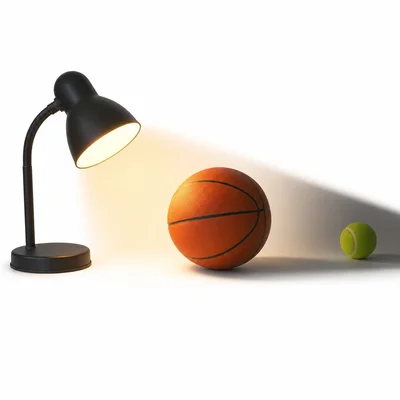
A scale model uses a lamp as the Sun, a basketball as Earth, and a tennis ball as the Moon. To model a lunar eclipse, where should the tennis ball be placed?
- 12
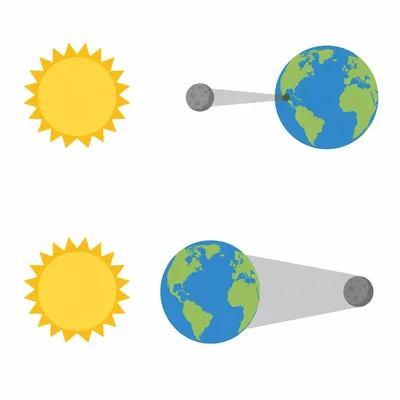
Explain why eclipse shadows make narrow paths on Earth during solar eclipses but can cover the whole Moon during lunar eclipses.