Practice key ideas about galaxies, the scale of the universe, light-years, gravity, and evidence that the universe is expanding.
Read each problem carefully. Use complete sentences when explaining your reasoning. Show your work for any calculations.
Exploring galaxy types, cosmic distances, and the expanding universe
Astronomy - Grade 6-8
- 1
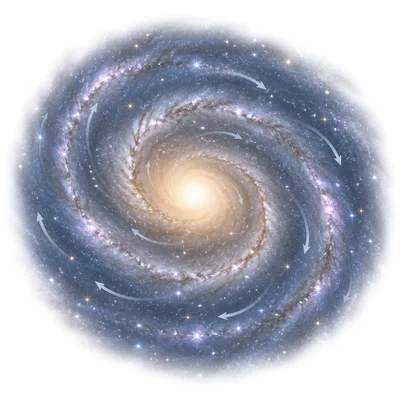
A galaxy contains billions of stars, along with gas, dust, and dark matter. Explain why gravity is important in a galaxy.
- 2
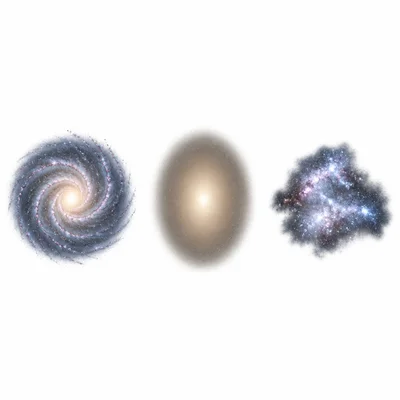
Name the three main types of galaxies and briefly describe one feature of each type.
- 3
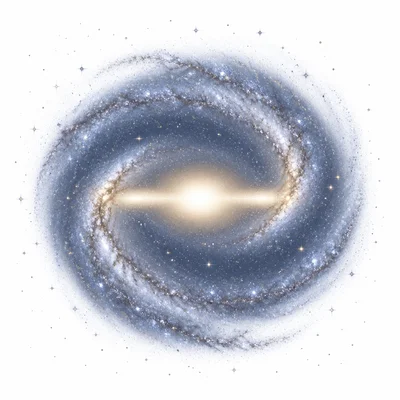
The Milky Way is a barred spiral galaxy. What does this mean about its shape?
- 4
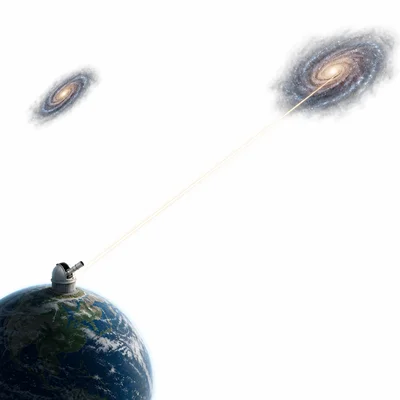
A light-year is the distance light travels in one year. Explain why astronomers use light-years instead of kilometers to describe distances between galaxies.
- 5
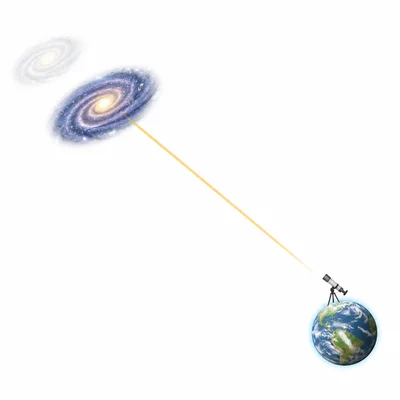
Light from a galaxy takes 2 million years to reach Earth. How far away is the galaxy, and what does this tell us about the image we see?
- 6
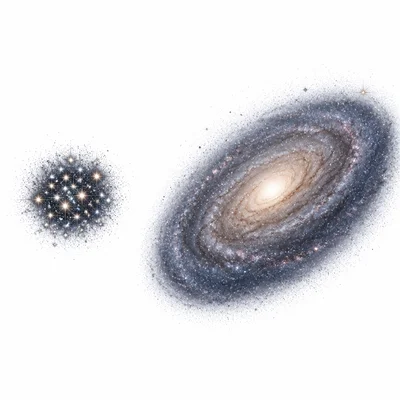
Describe one difference between a star cluster and a galaxy.
- 7
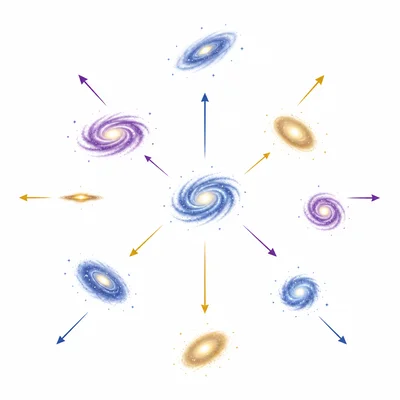
Scientists observe that most distant galaxies are moving away from us. What does this evidence suggest about the universe?
- 8
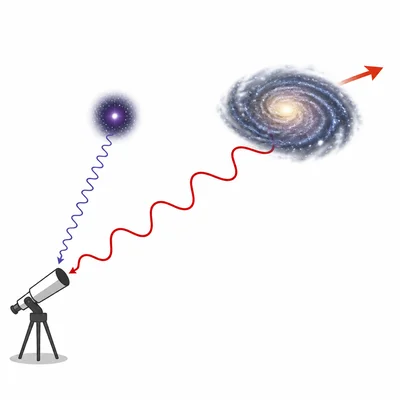
What is redshift, and how does it help astronomers study galaxies?
- 9
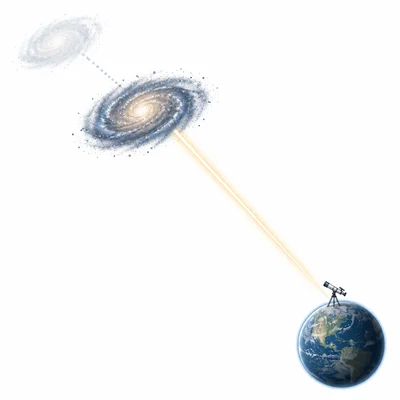
The Andromeda Galaxy is about 2.5 million light-years away. If its light reaches Earth tonight, when did that light leave Andromeda?
- 10
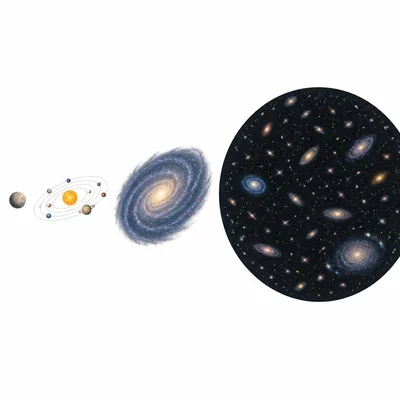
Put these objects in order from smallest to largest: solar system, planet, galaxy, universe.
- 11

A telescope observes a galaxy with no clear spiral arms and a smooth oval shape. What type of galaxy is it most likely to be? Explain your answer.
- 12
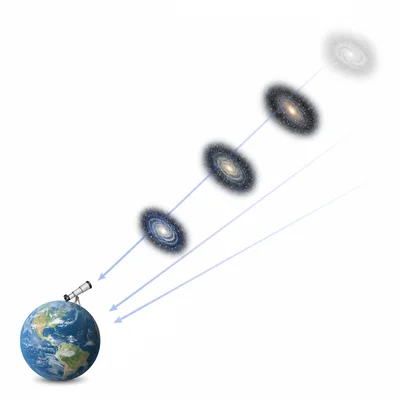
Explain why looking at very distant galaxies is like looking back in time.