Practice explaining how black holes and neutron stars form, comparing their properties, and using basic astronomy formulas for compact objects.
Read each problem carefully. Show your work for any calculation. Use complete sentences for explanations.
Exploring compact objects formed from massive stars
Astronomy - Grade 9-12
- 1
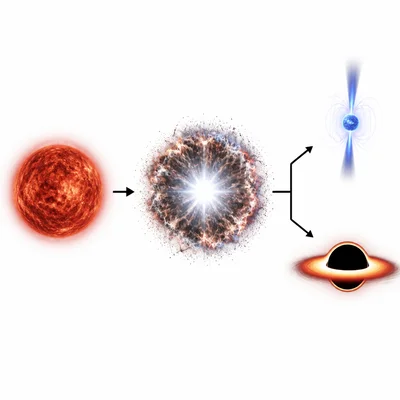
Explain how a massive star can become a neutron star or a black hole at the end of its life.
- 2
A black hole has a mass of 10 solar masses. Use the approximation that the Schwarzschild radius is about 3 kilometers for each solar mass. Calculate the Schwarzschild radius of this black hole.
- 3
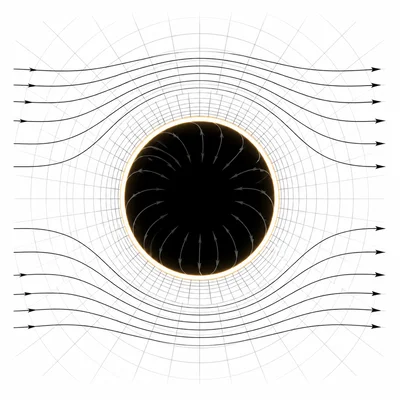
Define the event horizon of a black hole and explain why it is important.
- 4
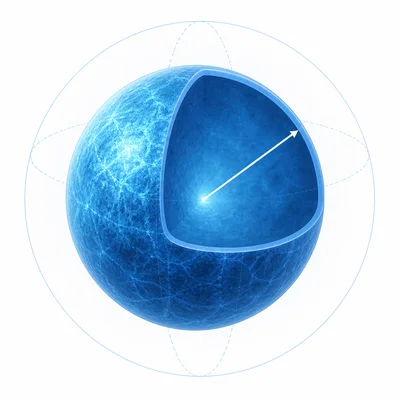
A neutron star has a mass of 1.4 solar masses and a radius of 12 kilometers. Use 1 solar mass = 2.0 x 10^30 kilograms. Estimate its average density using density = mass divided by volume and volume = 4/3 pi r^3. Use pi = 3.14.
- 5
A pulsar rotates 30 times each second. Calculate its rotation period in seconds.
- 6
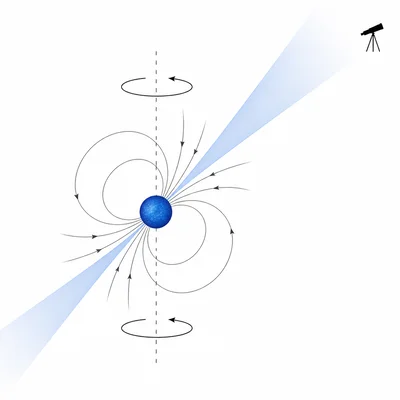
Explain why many neutron stars are observed as pulsars.
- 7
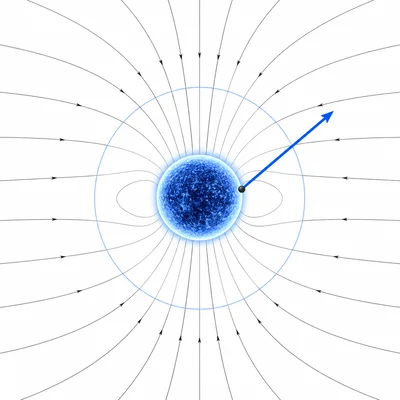
Use escape velocity = square root of 2GM/R to estimate the escape velocity from a neutron star with mass 2.8 x 10^30 kilograms and radius 1.2 x 10^4 meters. Use G = 6.67 x 10^-11 N m^2/kg^2.
- 8
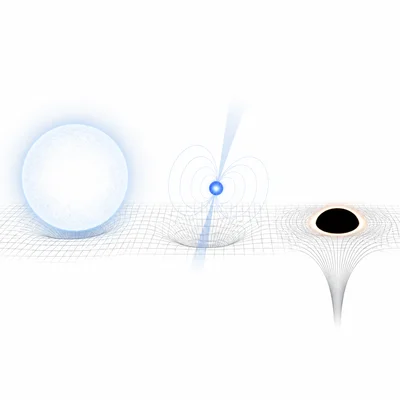
Compare a white dwarf, a neutron star, and a black hole in terms of density and final core mass.
- 9
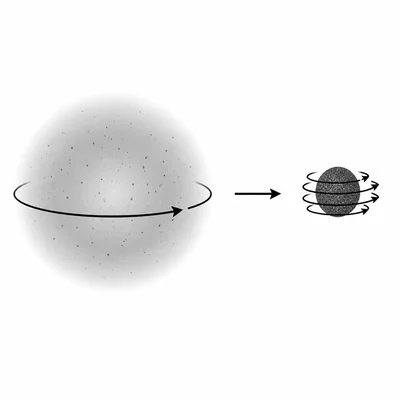
A star's core collapses from a radius of 10,000 kilometers to a radius of 10 kilometers. If angular momentum is conserved, explain what happens to its rotation rate.
- 10
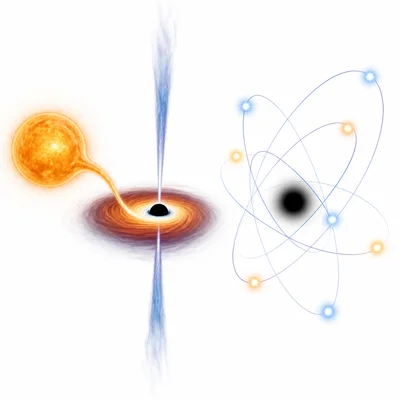
Describe two types of evidence astronomers can use to detect a black hole even though it does not emit light directly.
- 11
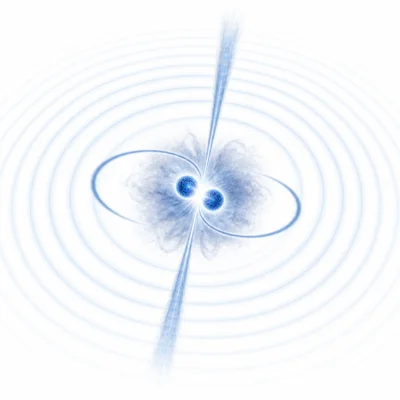
Two neutron stars orbit each other and merge. Describe one major signal or result that astronomers may observe from this event.
- 12
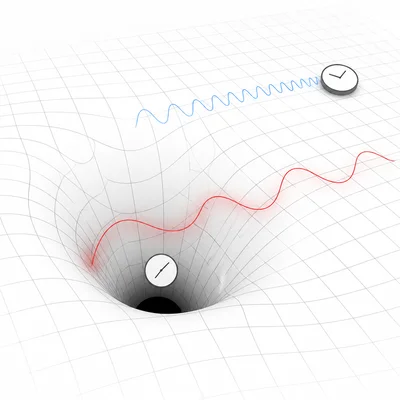
Explain why time dilation is stronger near a black hole than far away from it.