Practice identifying the main parts of the human ear, explaining how sound waves become nerve signals, and understanding how the ear helps with hearing and balance.
Read each problem carefully. Use complete sentences when explaining your answers. Show your thinking in the space provided.
Explore the structures of the ear and the path of sound
Biology - Grade 6-8
- 1
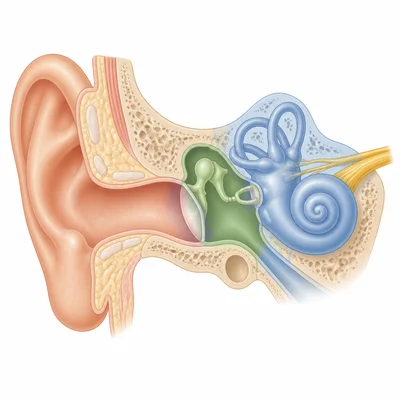
Label the three main regions of the ear and describe the basic job of each region.
- 2
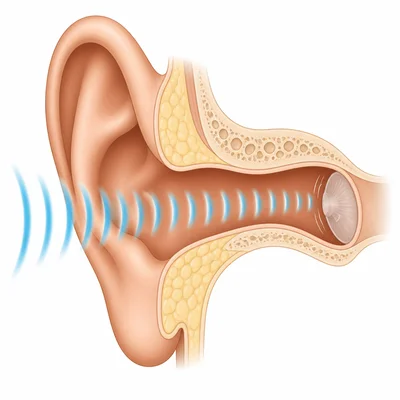
Sound waves enter the ear canal and reach a thin membrane. What is this membrane called, and what happens to it when sound reaches it?
- 3
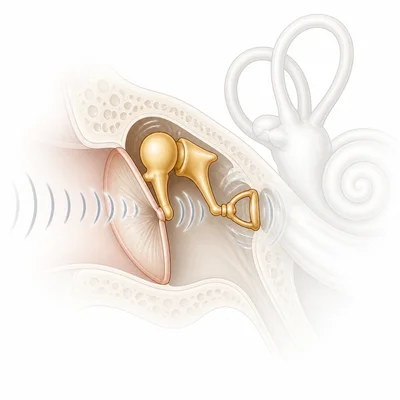
Name the three tiny bones of the middle ear and explain their role in hearing.
- 4
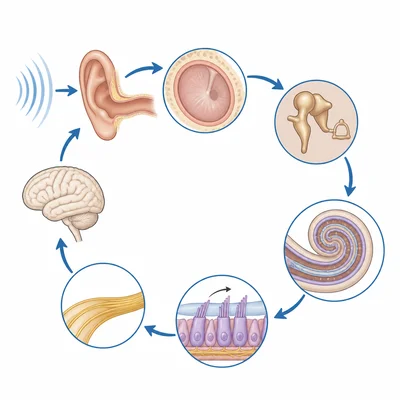
Put these steps in the correct order: the auditory nerve carries signals to the brain; sound waves enter the ear canal; hair cells in the cochlea bend; the eardrum vibrates; the ossicles vibrate.
- 5
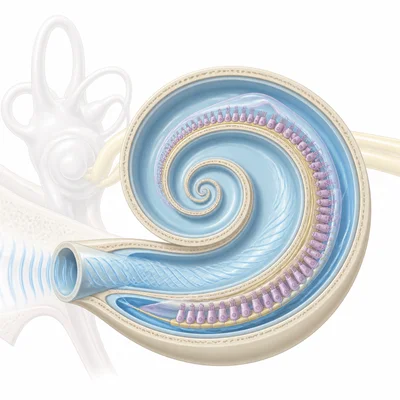
What is the cochlea, and why is it important for hearing?
- 6
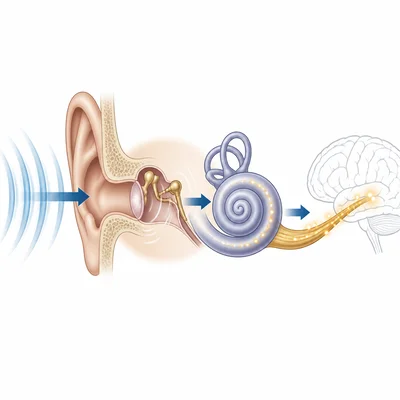
A student says, "We hear sounds only because the ear makes noise louder." Explain why this statement is incomplete.
- 7
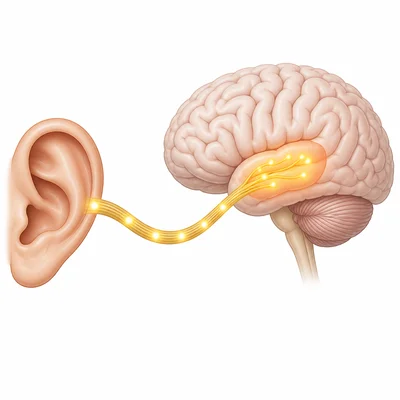
How does the brain help us hear?
- 8
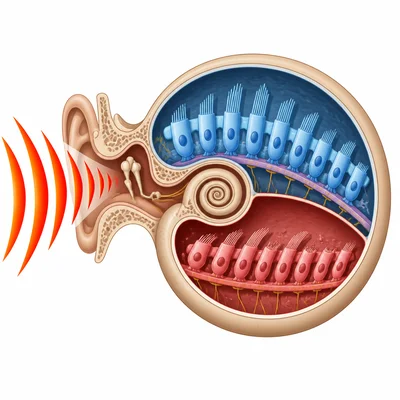
Explain how loud sounds can damage hearing.
- 9
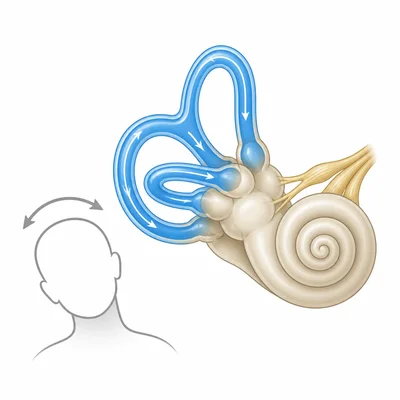
The semicircular canals are located in the inner ear. What do they help the body sense?
- 10
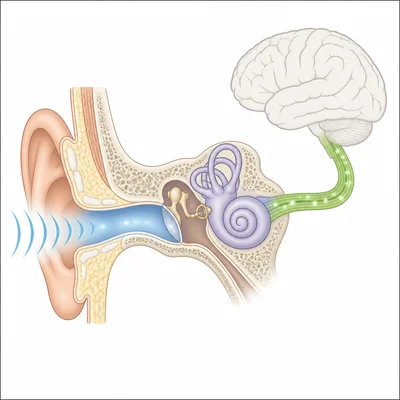
Compare the roles of the ear canal and the auditory nerve in the hearing process.
- 11
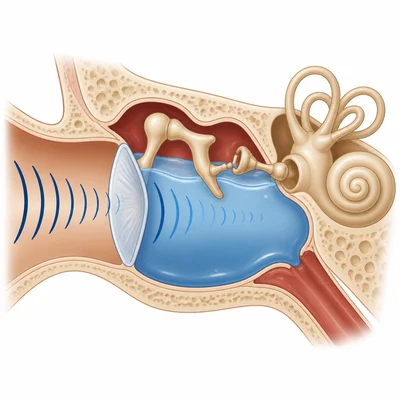
A person has fluid buildup in the middle ear during an ear infection. Explain how this could affect hearing.
- 12
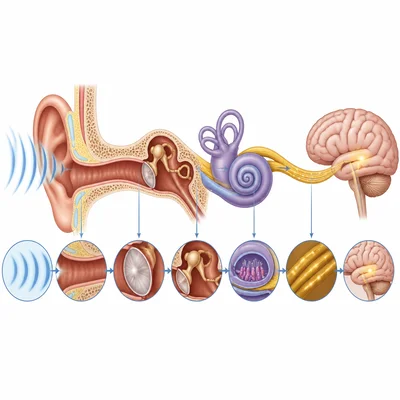
Write a short explanation of how hearing works, starting with sound waves in the air and ending with the brain recognizing a sound.