Practice identifying animal adaptations and explaining how they help animals live, find food, and stay safe.
Read each problem carefully. Answer in complete sentences when you can. Use what you know about how animals survive in their habitats.
How body parts and behaviors help animals survive
Biology - Grade 2-3
- 1
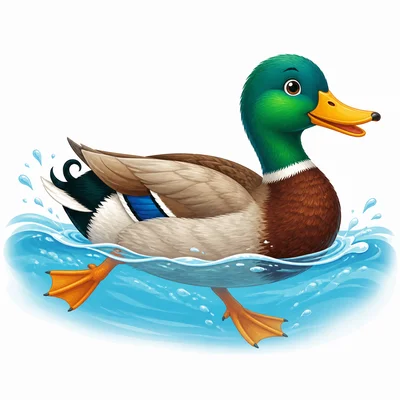
A duck has webbed feet. Explain how webbed feet help a duck survive.
- 2
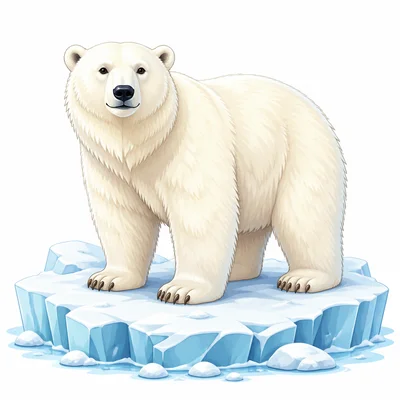
A polar bear has thick fur and a layer of fat. How do these adaptations help it live in a cold place?
- 3
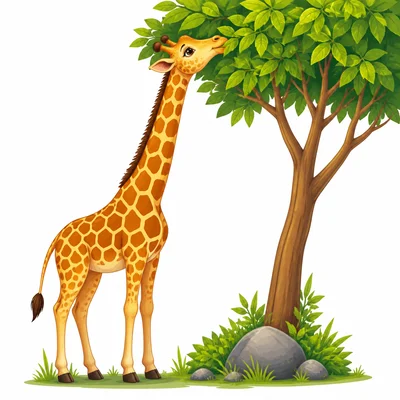
A giraffe has a very long neck. Describe one way this body part helps the giraffe.
- 4
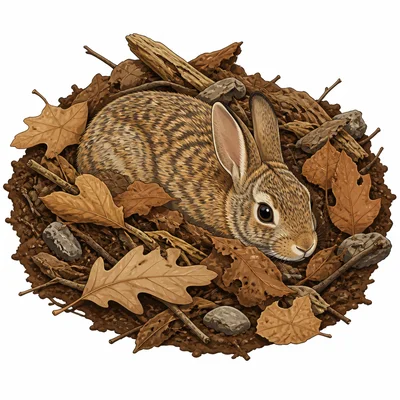
Some rabbits have fur that matches the ground around them. What is this adaptation called, and how does it help?
- 5
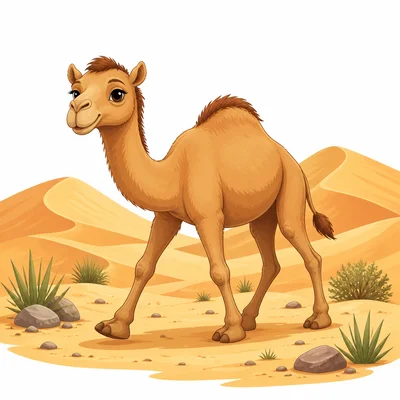
A camel can live a long time with very little water. Explain how this helps the camel in the desert.
- 6
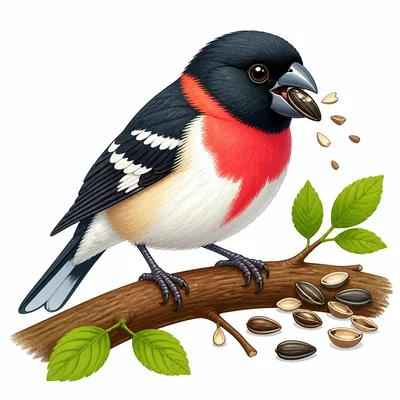
Birds have different kinds of beaks. Why might a bird that eats seeds have a short, strong beak?
- 7
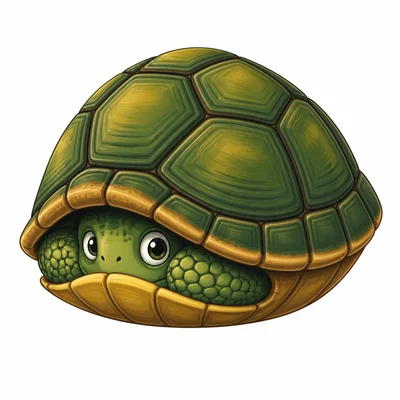
A turtle can pull into its hard shell. How does this adaptation help the turtle?
- 8
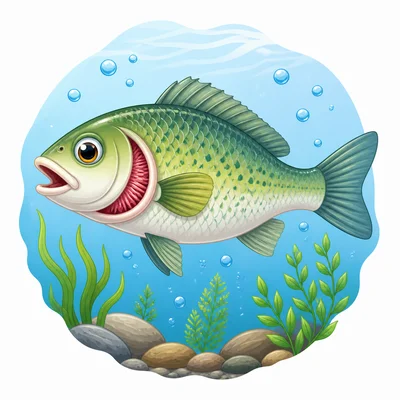
Fish have gills. Explain how gills help fish live underwater.
- 9

Some animals sleep through the cold winter. This is called hibernation. How does hibernation help them survive?
- 10
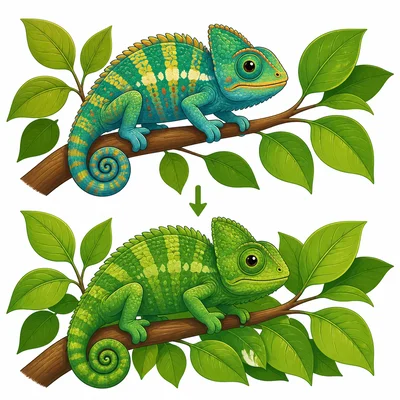
A chameleon can change color to blend in. Explain how this helps the chameleon.
- 11

Why are sharp claws a helpful adaptation for some animals such as eagles or tigers?
- 12
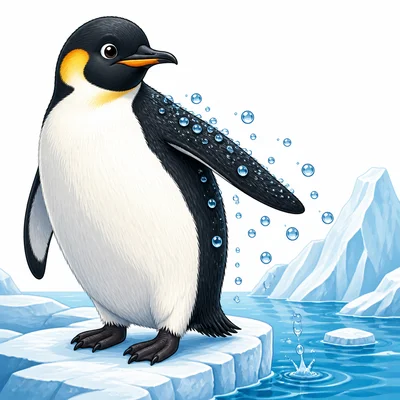
Penguins have feathers that help keep water out. How does this adaptation help penguins?
- 13
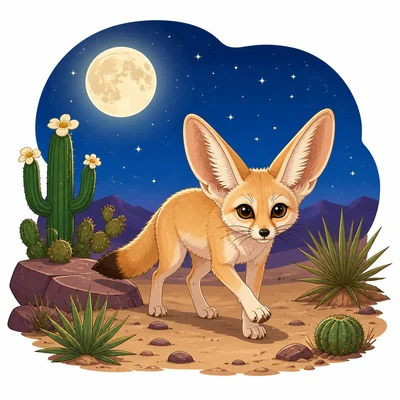
Many desert animals are active at night instead of during the day. How does this behavior help them?
- 14
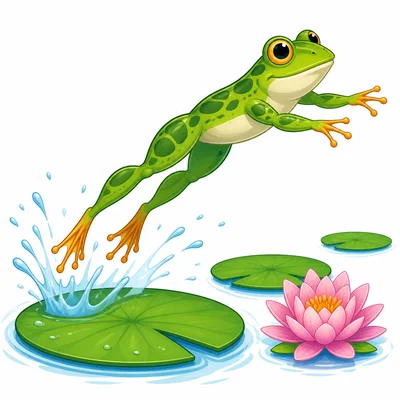
A frog has strong back legs. Describe how this adaptation helps the frog.
- 15
Choose one animal you know and name one adaptation it has. Explain how that adaptation helps it survive.