Practice identifying iambic pentameter, analyzing soliloquies, and making performance choices for Shakespearean scenes.
Read each problem carefully. Use complete sentences when explaining your choices. When asked to perform, write notes that would help an actor on stage.
Performing Shakespeare through rhythm, voice, and inner thought
Drama - Grade 9-12
- 1

Define iambic pentameter in your own words. Include the meaning of both "iambic" and "pentameter" in your explanation.
- 2

Mark the stressed and unstressed syllables in this line from Romeo and Juliet: "But soft, what light through yonder window breaks?" Then explain whether the line mostly follows iambic pentameter.
- 3
A soliloquy is different from ordinary dialogue. Explain what a soliloquy is and why Shakespeare often uses it.
- 4
Read this short invented Shakespeare-style line: "I fear the crown, yet still I reach for it." Identify the inner conflict in the line and describe how an actor could show it physically.
- 5
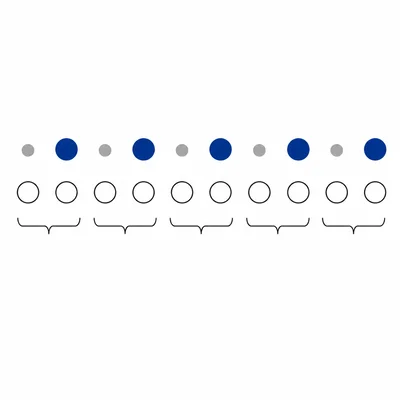
Count the syllables in this line: "To be, or not to be, that is the question." Does it fit perfect iambic pentameter? Explain your answer.
- 6
Choose one word in the line "O, what a rogue and peasant slave am I!" that an actor might emphasize. Explain how that emphasis changes the meaning or emotion of the line.
- 7
In a soliloquy, an actor must decide where to look. Describe two possible staging choices for a soliloquy and explain the effect of each choice on the audience.
- 8

Scan this invented line by dividing it into five iambic feet: "The night grows cold, and still my heart burns bright." Write the five feet and explain how the rhythm supports the meaning.
- 9
A director asks an actor to perform a soliloquy first as a confession and then as a plan for revenge. Describe two changes the actor could make in voice, pace, or movement to show the difference.
- 10
Write four original lines for a character who is alone on stage and facing a difficult choice. Try to use iambic pentameter in at least one line. Then explain which line is closest to iambic pentameter and why.