Understanding Plant Growth Variables Lab
Plant height is a useful outcome because it is easy to measure, but it does not tell the whole story. A tall plant can still be weak, pale, or poorly rooted. In real investigations, scientists often record leaf number, leaf colour, stem thickness, and mass as extra evidence.
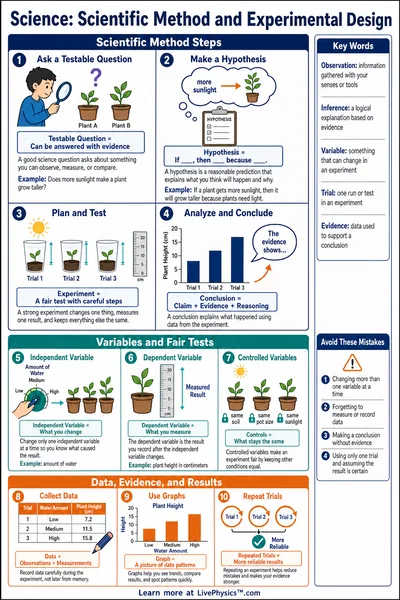
The factor deliberately changed is the independent variable. Plant height is the dependent variable because it responds to the conditions provided. Every other condition should stay fixed so a difference in height has one likely cause.
A control condition gives a normal baseline for comparison. It might use moderate light, regular watering, suitable soil, and a comfortable temperature. Results become more meaningful when each changed condition is compared with that same baseline.
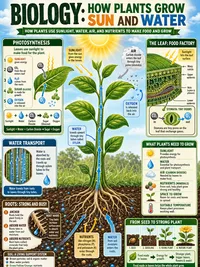
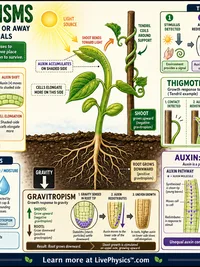
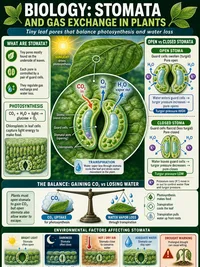
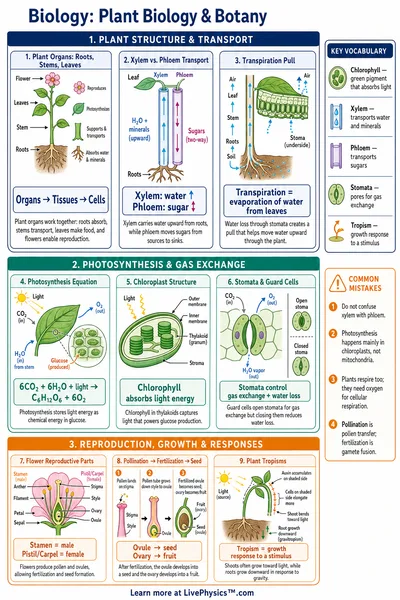
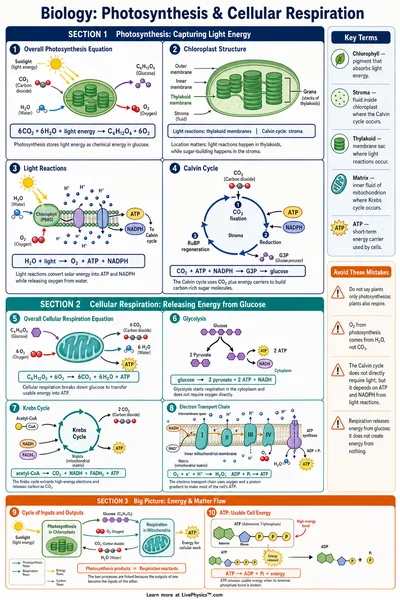
Plants need light energy to build sugars from carbon dioxide and water. Those sugars supply energy for cells and provide material for new stems, roots, and leaves. Too little light often produces long thin stems as a plant stretches toward a light source.
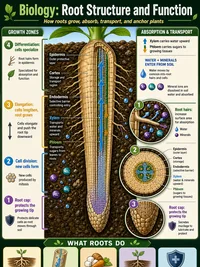
Water does more than stop a plant from drying out. It carries dissolved minerals from the soil into roots and helps keep plant cells firm. Excess water can fill air spaces in soil, leaving roots with too little oxygen for respiration.
Soil affects both physical support and the supply of water, air, and nutrients. Sandy soil drains quickly, while clay-rich soil can hold water tightly. Organic material can improve structure, though its effects depend on the plant species and the amount present.
Temperature changes the speed of chemical reactions inside plant cells. Within a suitable range, warmer conditions can support faster growth. At very high or low temperatures, enzymes work less effectively and growth slows or stops.
Real plants do not always respond in a straight line to a changing condition. Giving twice as much water does not usually produce twice as much height. Many biological relationships have an optimum range, with poorer growth on either side.
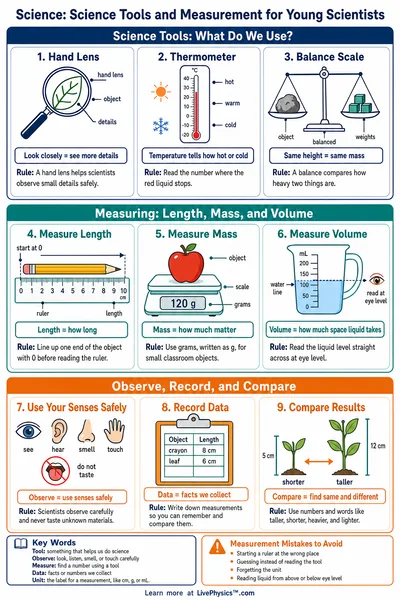
Measure height in the same way each time. Start at the soil surface and measure to the highest living point on the stem. Taking readings at regular intervals can reveal whether growth was steady, delayed, or slowed near the end.
Repeated trials improve confidence in a conclusion. Individual seeds differ because of genetics, age, and hidden damage. Finding an average from several plants reduces the chance that one unusual plant determines the result.
Keep a clear table that includes the condition, the day, and the height recorded. Units must be consistent, such as centimetres throughout the investigation. A graph with time along the horizontal direction and height along the vertical direction makes patterns easier to spot.
Virtual labs simplify living systems so that cause and effect can be studied clearly. Real classrooms add variation from pests, uneven light, changing humidity, and measurement mistakes. The main lesson is to make a claim only when the evidence supports it, then note limits that could affect the result.