Shape Sorter and Compose Shapes Lab
Pick a shape and count its sides and corners. Then combine smaller shapes to build bigger ones. Record what you notice and find patterns in how shapes are named and made.
Guided ExperimentShape Attributes and Composition Investigation
Predict whether every 4-sided shape also has 4 corners. Do you think the number of sides always equals the number of corners? Write your prediction.
Write your hypothesis in the Lab Report panel, then click Next.
Pick a Shape
Shape Attributes
Data Table
(0 rows)| # | Mode | Shape/Target | Sides | Corners | Notes |
|---|
Controls
Reference Guide
Counting Sides
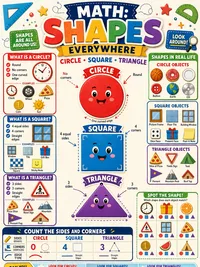
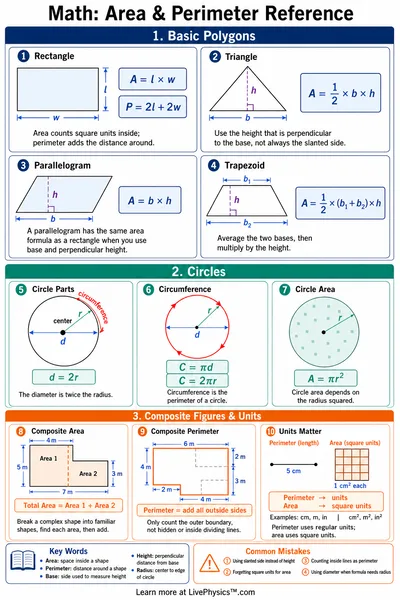
A side is a straight edge of a shape. To count sides, trace around the shape and count each straight line you follow.
A circle has no straight sides. Its edge is curved all the way around.
Counting Corners
A corner is the point where two sides meet. Another word for corner is vertex.
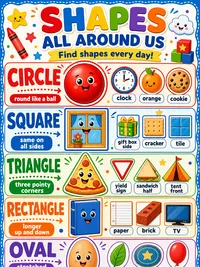
A triangle has 3 corners, a square has 4 corners, and a hexagon has 6 corners. A circle has no corners because it has no sides that meet.
Composing Shapes
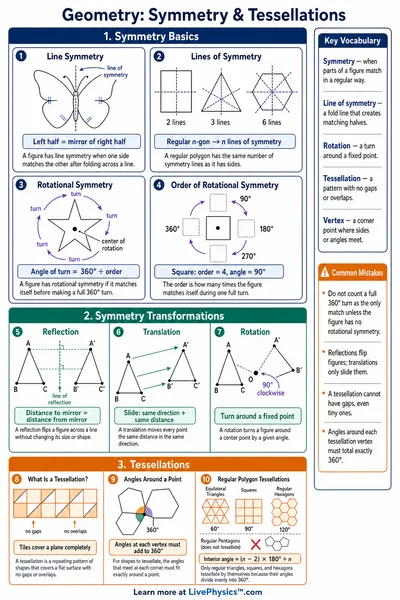
Composing means putting small shapes together to build a bigger shape. You can break a big shape apart into pieces too.
The same pieces can form different shapes depending on how you arrange them.
Why Shape Attributes Matter
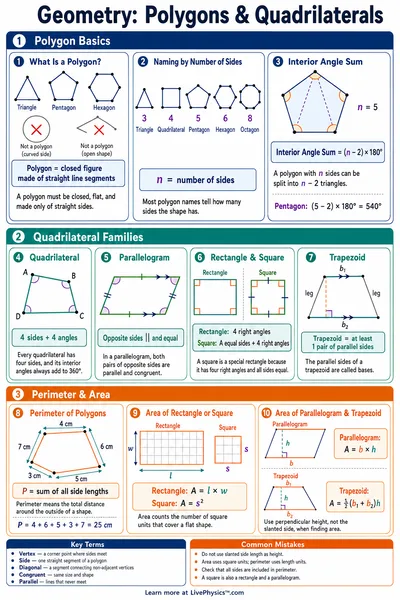
We name shapes based on how many sides and corners they have. Attributes help us sort shapes into groups like triangles, rectangles, and hexagons.
Knowing shape attributes helps with geometry later on. It also helps you describe shapes you see in the real world.