Analyze key features of Chinese painting and Japanese woodblock prints, including materials, subject matter, composition, and historical context.
Read each question carefully. Use complete sentences and include specific visual evidence when asked.
Comparing materials, themes, composition, and cultural context
Art History - Grade 9-12
- 1
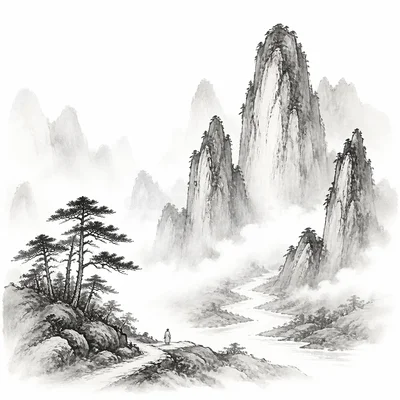
Chinese landscape painting often reflects ideas from Daoism, Confucianism, or Buddhism. Explain how a misty mountain landscape with a tiny human figure might express a relationship between people and nature.
- 2
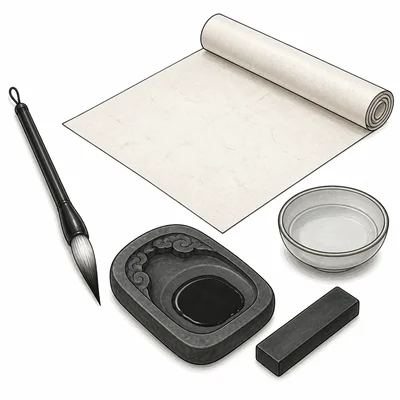
Identify two materials or tools commonly used in traditional Chinese painting, and explain how they affect the appearance of the artwork.
- 3
In Chinese literati painting, artists often valued personal expression and brushwork more than realistic detail. Explain what this means and why brushwork was important.
- 4
Japanese ukiyo-e woodblock prints often show actors, courtesans, landscapes, and scenes of urban life. What does this subject matter suggest about the audience and culture of Edo-period Japan?
- 5
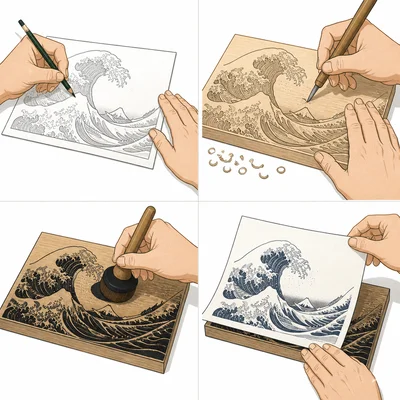
Describe the basic steps used to create a Japanese woodblock print. Include the roles of the artist, carver, printer, and publisher.
- 6
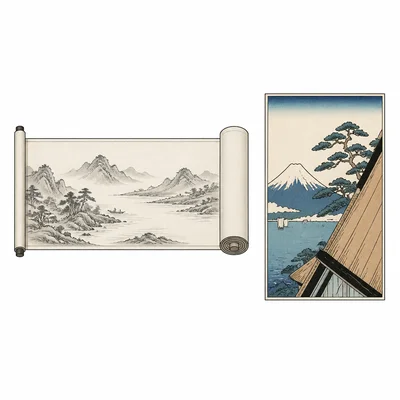
Compare the use of space in a Chinese handscroll landscape and a Japanese ukiyo-e print. Give one likely difference in how a viewer experiences each artwork.
- 7
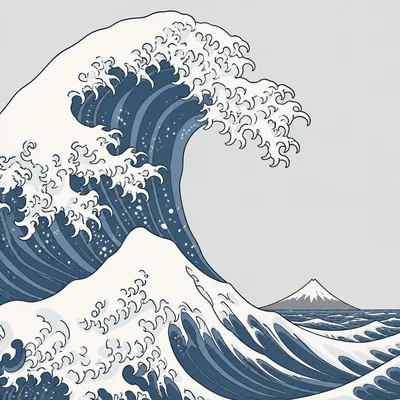
Look at the composition of a print in which a large wave fills the foreground and Mount Fuji appears small in the distance. Explain how scale and contrast create visual drama.
- 8
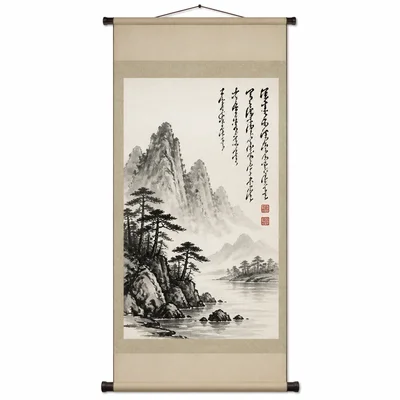
Chinese painting often combines image, calligraphy, and seals. Explain how adding poetry or calligraphy can change the meaning of a painting.
- 9
Define the term ukiyo-e and explain why the phrase is connected to the art of Edo-period Japan.
- 10
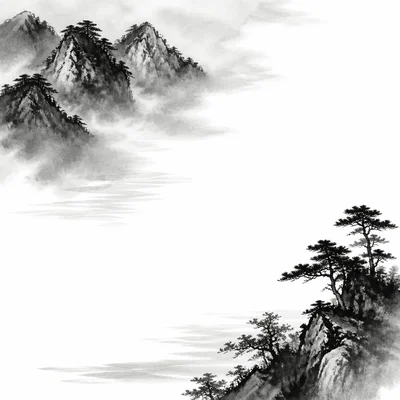
Many Chinese paintings use empty space, such as blank paper suggesting mist, sky, or water. Explain why empty space can be an active part of the composition rather than simply unfinished space.
- 11
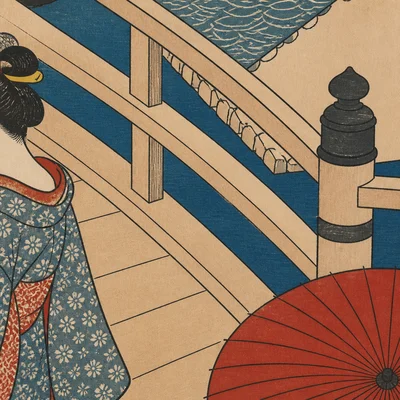
Japanese woodblock prints influenced some European artists in the 1800s. Identify two visual features of ukiyo-e prints that artists in Europe might have admired or borrowed.
- 12
Choose either Chinese painting or Japanese woodblock prints. Write a short museum label for an artwork from that tradition. Include the likely medium, subject, and one important idea a viewer should notice.