Learn how scientists modify DNA by using enzymes, plasmids, gene editing tools, and careful testing.
Read each problem carefully. Write complete answers and explain your thinking when asked.
Exploring DNA, genes, tools, and ethical choices
Biology - Grade 6-8
- 1
In your own words, explain what genetic engineering means.
- 2
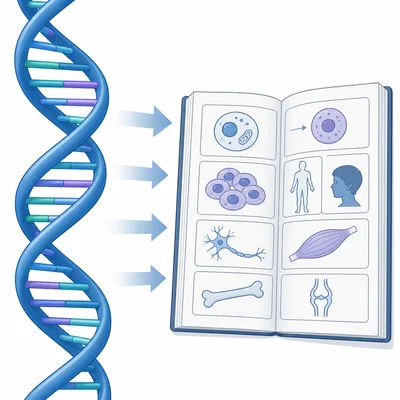
DNA is often compared to a set of instructions. Explain why this comparison is useful.
- 3
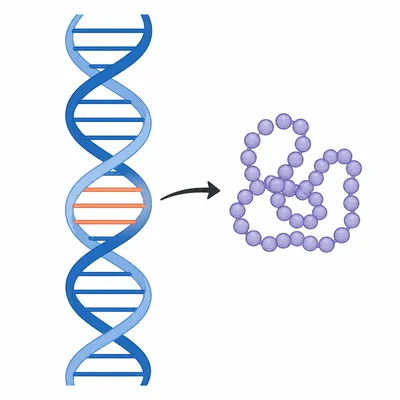
A gene is a section of DNA. What does a gene usually contain instructions for?
- 4
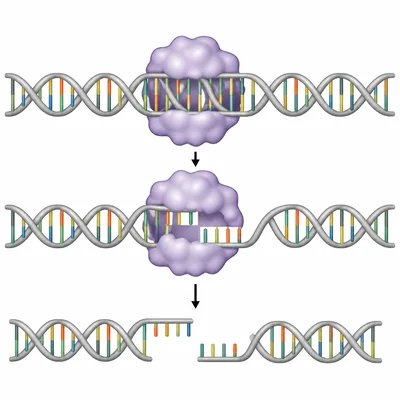
Scientists can use restriction enzymes to cut DNA. What is the job of a restriction enzyme in genetic engineering?
- 5
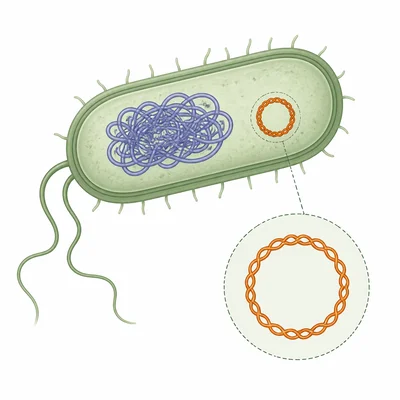
What is a plasmid, and why are plasmids useful in genetic engineering with bacteria?
- 6
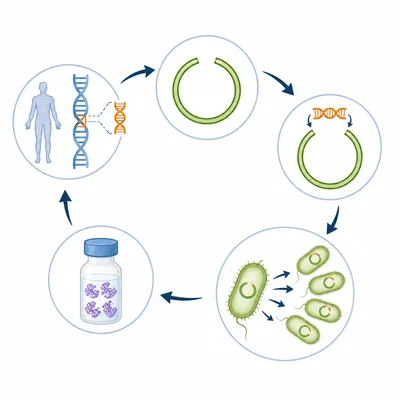
Put these steps in a logical order for making bacteria produce human insulin: insert the insulin gene into a plasmid, grow the modified bacteria, cut open the plasmid, isolate the human insulin gene, collect the insulin protein.
- 7
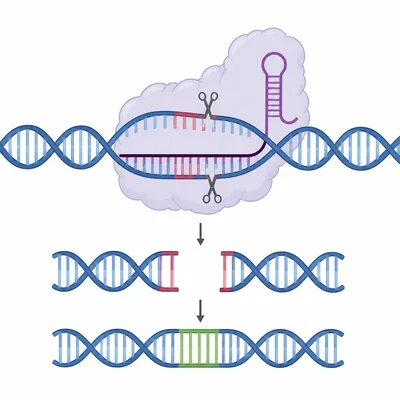
CRISPR is a gene editing tool. What can CRISPR help scientists do to DNA?
- 8
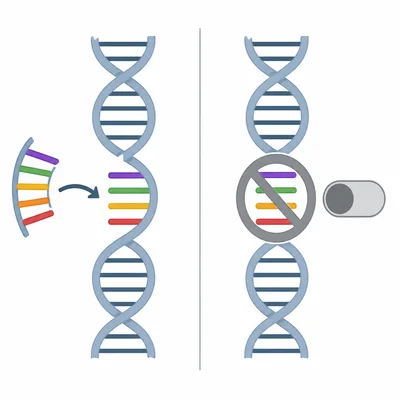
Explain the difference between adding a new gene and turning off an existing gene.
- 9

A crop plant is engineered to resist an insect pest. Name one possible benefit and one possible concern.
- 10
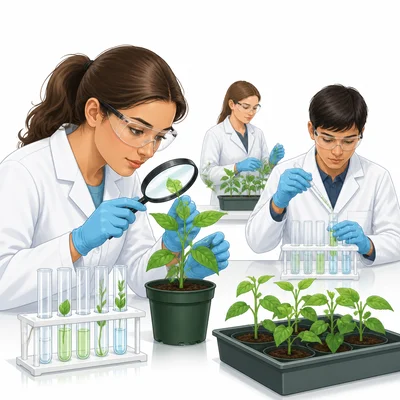
Why do scientists test genetically engineered organisms before using them widely?
- 11
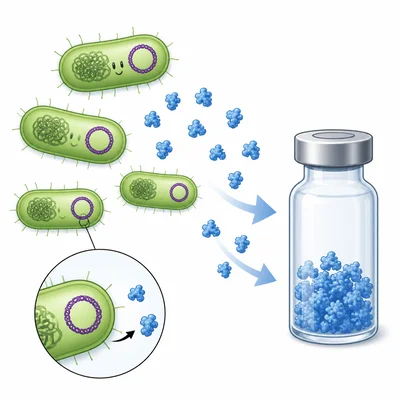
Some bacteria are engineered to make medicine. Explain why bacteria are useful for this purpose.
- 12
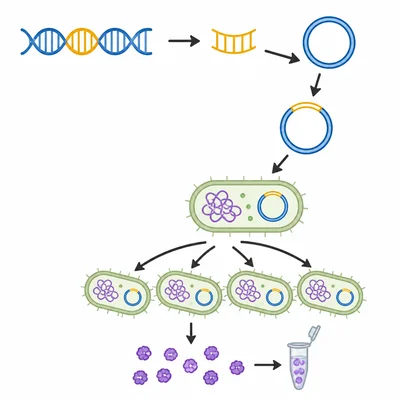
Look at a simple genetic engineering diagram with these labels: donor DNA, plasmid, modified plasmid, bacterial cell, and protein product. Describe what happens from the donor DNA to the protein product.
- 13
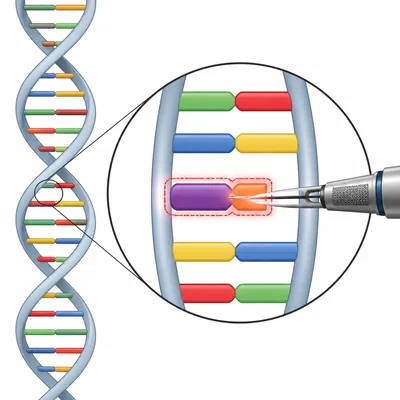
Why is it important for scientists to know the exact DNA sequence before editing a gene?
- 14
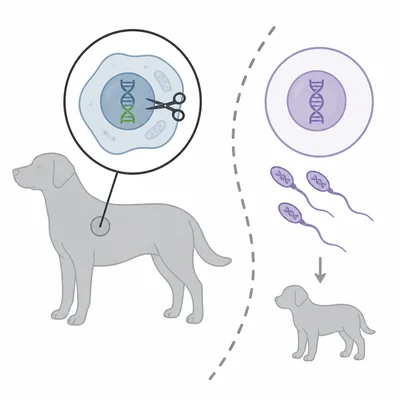
A scientist edits a gene in a body cell of one animal. Will that DNA change automatically be passed to the animal's offspring? Explain your answer.
- 15
Write one ethical question people should discuss before using genetic engineering in humans.