Practice identifying types of mutations, predicting their effects on proteins, and explaining how mutations can be harmful, neutral, or beneficial.
Read each problem carefully. Use genetics vocabulary in your answers and show your reasoning when asked.
How DNA changes can affect proteins, traits, and populations
Biology - Grade 9-12
- 1
A DNA coding strand changes from ATG GAA TTT CCG to ATG GAG TTT CCG. The mRNA codons GAA and GAG both code for glutamic acid. What type of point mutation is this, and what effect would it likely have on the protein?
- 2
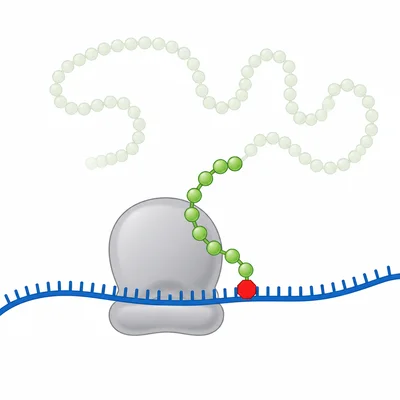
A mutation changes the mRNA codon UAU, which codes for tyrosine, into UAA, which is a stop codon. What type of mutation is this, and why can it be serious?
- 3
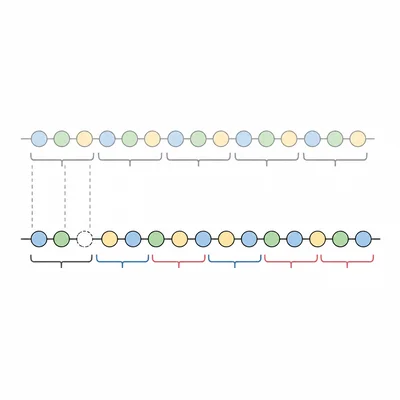
In a gene, one nucleotide is deleted near the beginning of the coding region. Explain why this kind of mutation often has a large effect on the final protein.
- 4
A substitution mutation changes one codon so that the protein has leucine instead of proline at one position. What type of mutation is this, and what is one reason its effect could range from mild to severe?
- 5
A mutation occurs in a skin cell after exposure to ultraviolet light. The person later has children. Explain whether this mutation is likely to be passed to the children.
- 6
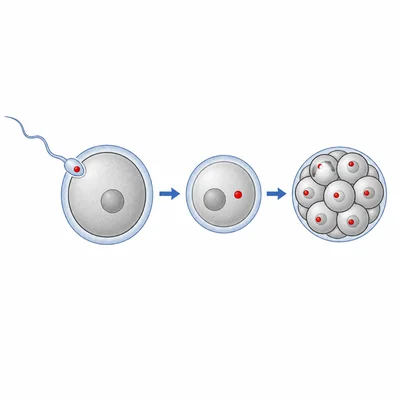
A mutation occurs in a sperm cell before fertilization. The sperm forms a zygote with an egg. Explain how this mutation could affect the resulting child.
- 7
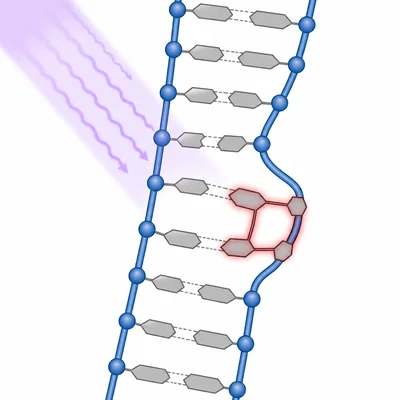
Ultraviolet radiation can cause nearby thymine bases in DNA to bond together, forming thymine dimers. Explain how this damage can lead to a mutation if it is not repaired.
- 8
Some chemicals in tobacco smoke are mutagens. Define mutagen and explain why mutagens can increase the risk of cancer.
- 9
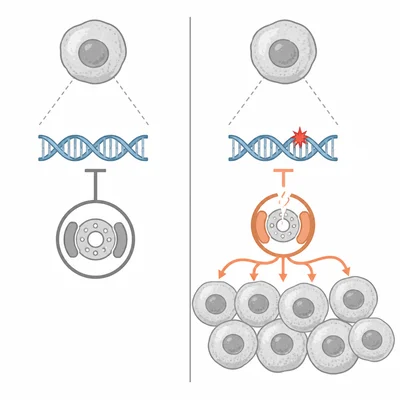
A cell has a mutation in a tumor suppressor gene. Explain how this mutation could contribute to cancer.
- 10
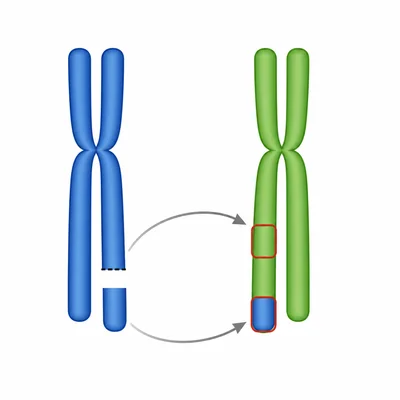
A mutation causes a chromosome segment to break off and attach to a different chromosome. Identify the type of chromosomal mutation and describe one possible effect.
- 11
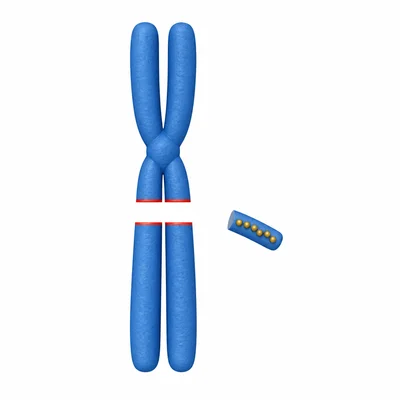
A chromosome loses a segment that contains several genes. Identify the type of chromosomal mutation and explain why it may have a stronger effect than a single base substitution.
- 12
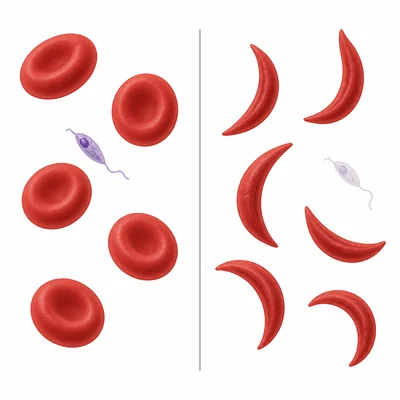
The sickle cell allele changes one amino acid in the beta-globin protein. People with two copies of the allele can have sickle cell disease, but people with one copy have some resistance to malaria. Explain how one mutation can have both harmful and beneficial effects.
- 13
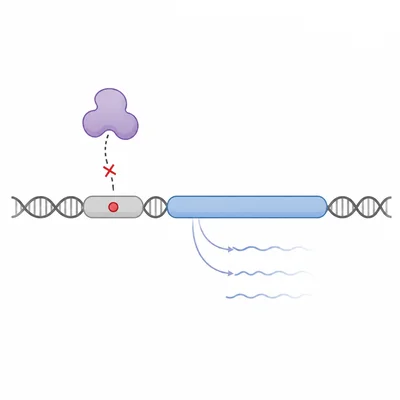
A mutation occurs in a noncoding regulatory region near a gene, but the protein-coding sequence of the gene does not change. Explain how the mutation could still affect the organism.
- 14
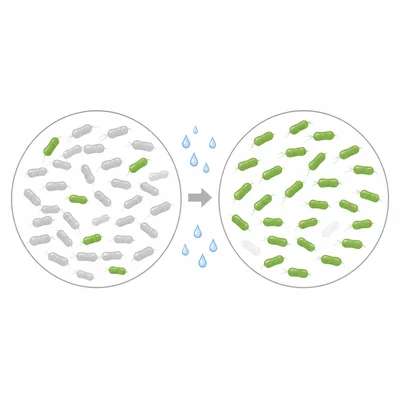
A population of bacteria is exposed to an antibiotic. A few bacteria already have a mutation that makes them resistant. Explain how natural selection can change the frequency of the resistance allele in the population.
- 15
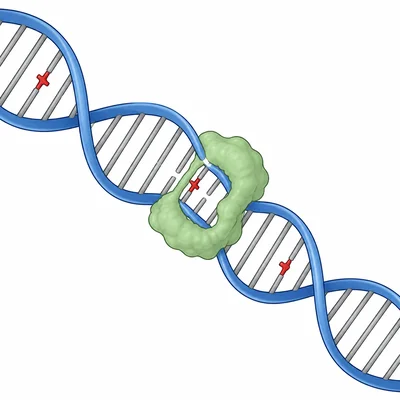
DNA repair enzymes fix many DNA errors before they become permanent mutations. Explain why mutations still occur even though cells have repair systems.