Practice identifying endocrine glands, explaining hormone functions, and analyzing negative and positive feedback loops in the human body.
Read each problem carefully. Use complete sentences when explaining feedback loops and hormone effects. Show your reasoning in the space provided.
How hormones regulate body systems and maintain homeostasis
Biology - Grade 9-12
- 1
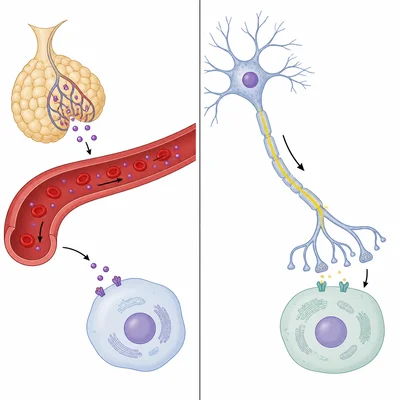
Define the endocrine system and explain how it differs from the nervous system in the way it sends messages through the body.
- 2
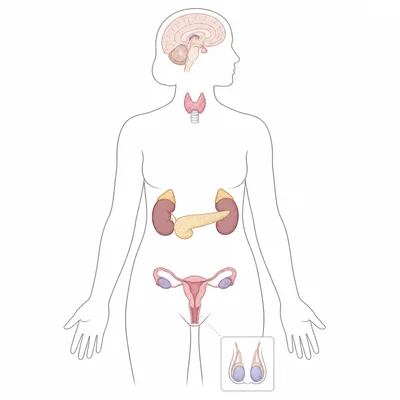
A diagram shows the hypothalamus, pituitary gland, thyroid gland, adrenal glands, pancreas, ovaries, and testes. Choose three of these glands and describe one hormone each gland produces or helps control.
- 3
Explain why hormones are sometimes called chemical messengers.
- 4
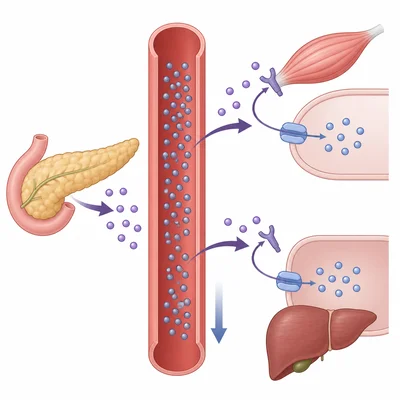
Blood glucose rises after a student eats a large meal. Describe the role of insulin in bringing blood glucose back toward normal.
- 5
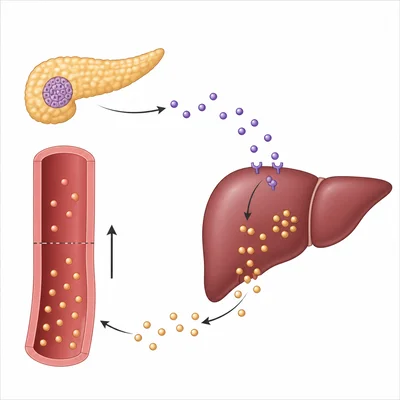
Blood glucose drops when a person has not eaten for several hours. Describe the role of glucagon in bringing blood glucose back toward normal.
- 6
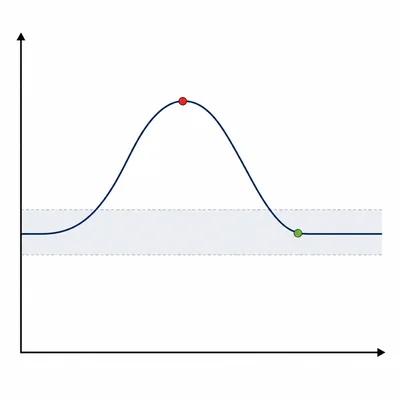
The graph shows blood glucose level over time. At point A, blood glucose rises above normal after a meal. At point B, blood glucose returns to normal. Identify the hormone most responsible for the change from A to B and explain the feedback loop involved.
- 7
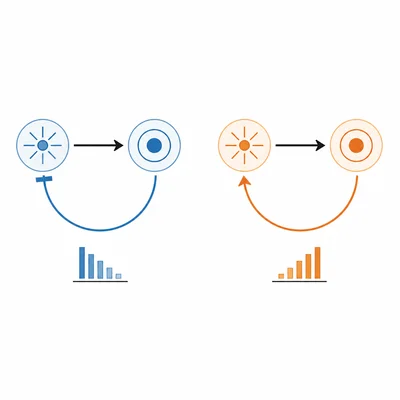
Explain the difference between negative feedback and positive feedback in hormone regulation.
- 8
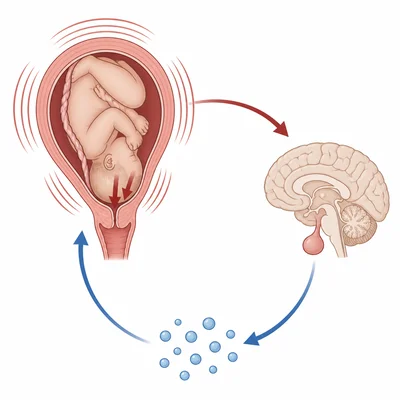
During childbirth, pressure on the cervix causes release of oxytocin. Oxytocin increases uterine contractions, which causes more pressure on the cervix and more oxytocin release. Identify this as positive or negative feedback and explain your choice.
- 9
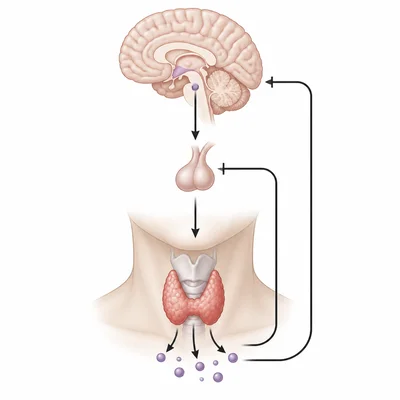
The hypothalamus releases TRH, which signals the pituitary gland to release TSH. TSH signals the thyroid gland to release thyroid hormones. When thyroid hormone levels are high, they reduce TRH and TSH release. Explain why this is an example of negative feedback.
- 10
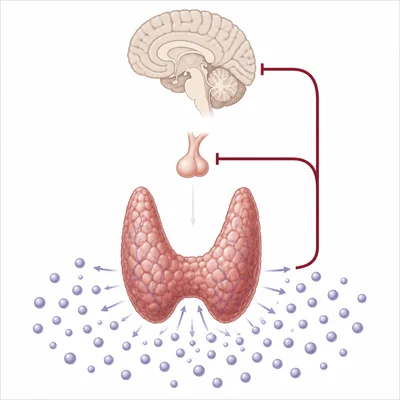
A patient has symptoms of high metabolism, including weight loss, sweating, and rapid heartbeat. Lab results show high thyroid hormone and very low TSH. Use feedback loop reasoning to explain why TSH is low.
- 11
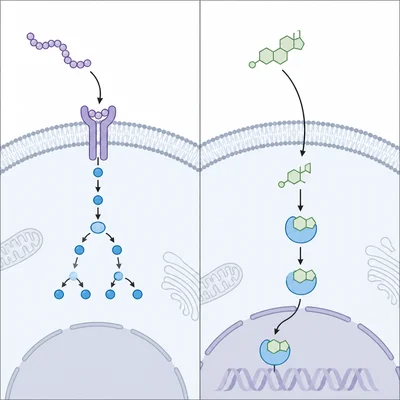
Compare steroid hormones and peptide hormones in terms of how they interact with target cells.
- 12
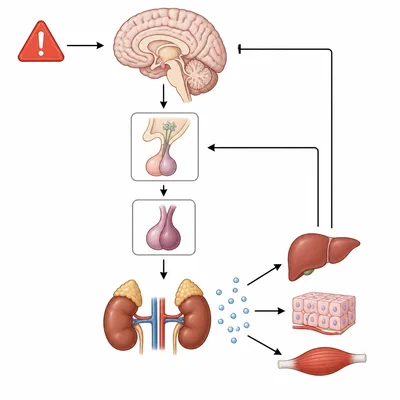
A stress response pathway begins when the brain detects danger. The hypothalamus and pituitary gland signal the adrenal glands, which release cortisol. Cortisol helps increase blood glucose and affects metabolism. High cortisol can reduce further signaling from the hypothalamus and pituitary. Describe the stimulus, hormone response, and feedback type in this pathway.