Practice identifying acids and bases in everyday products, interpreting the pH scale, and explaining safe ways to handle common substances.
Read each problem carefully. Show your thinking and use complete sentences when explaining your answers.
Identifying properties, pH, and safe uses of common substances
Chemistry - Grade 6-8
- 1
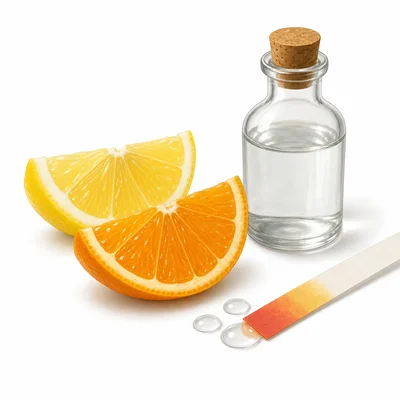
Lemon juice, vinegar, and orange juice are common household substances. Explain whether these substances are acids or bases, and describe one property they often share.
- 2
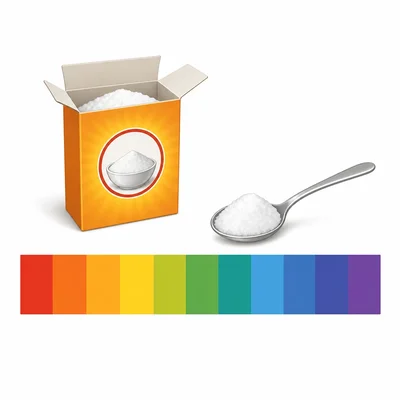
Baking soda is often used in cooking and cleaning. Is baking soda acidic, basic, or neutral? Explain how you know.
- 3
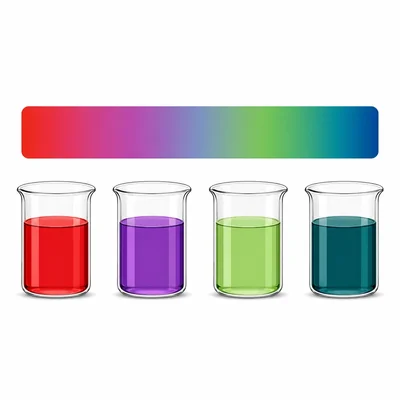
A student tests four liquids with pH paper and records these results: Liquid A has pH 2, Liquid B has pH 7, Liquid C has pH 9, and Liquid D has pH 12. Identify each liquid as acidic, basic, or neutral.
- 4
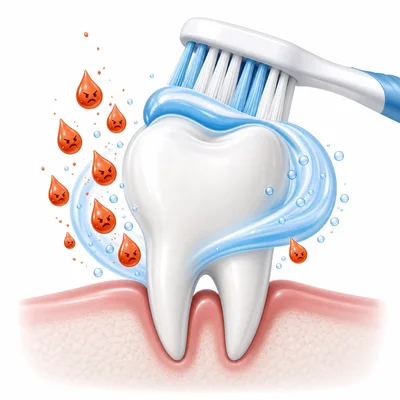
Toothpaste is usually slightly basic. Explain why a basic toothpaste can help protect teeth after eating acidic foods.
- 5
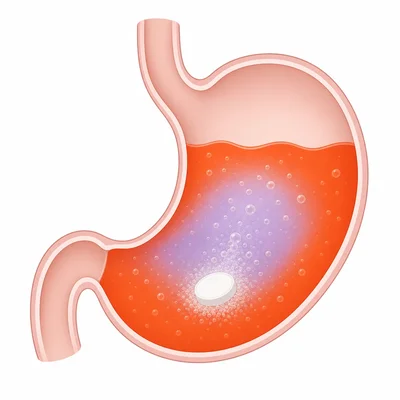
An antacid tablet is taken to help relieve an upset stomach caused by extra stomach acid. Explain how an antacid works using the words acid, base, and neutralize.
- 6
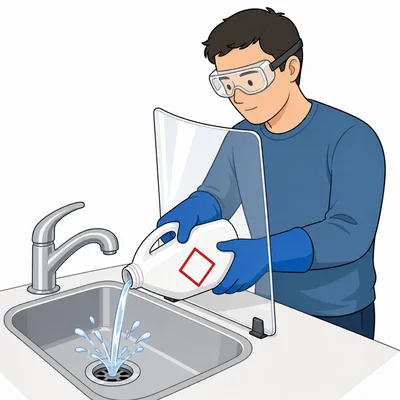
A bottle of drain cleaner has a warning label that says it is a strong base. Explain two safety precautions someone should follow when using it.
- 7
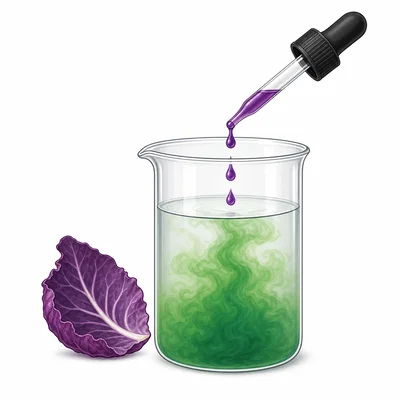
Red cabbage juice can be used as an indicator. It turns reddish in acids, greenish in bases, and purplish near neutral. A student adds cabbage juice to a mystery liquid, and it turns green. What does this show about the mystery liquid?
- 8
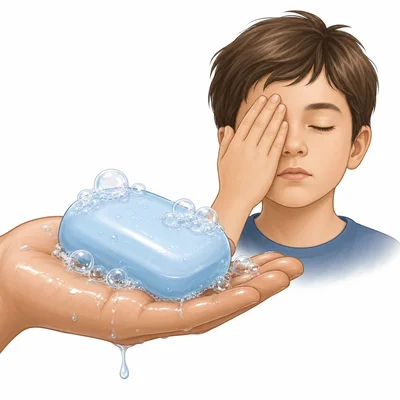
Soap often feels slippery when mixed with water. What does this property suggest about soap, and why should students still avoid getting soap in their eyes?
- 9
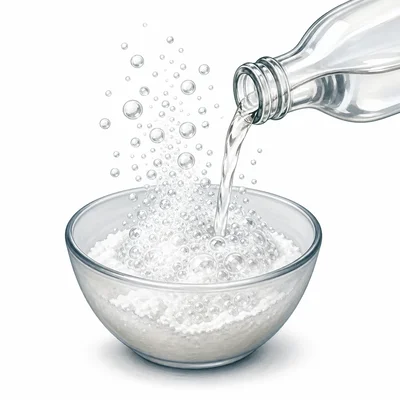
A recipe uses baking soda and vinegar together. The mixture bubbles and gives off a gas. Explain what type of reaction is happening in simple terms.
- 10
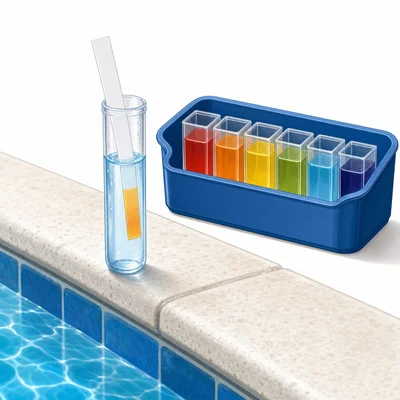
A swimming pool test kit shows the pool water has a pH of 6.2. Is the pool water acidic, basic, or neutral? Explain why pool owners need to monitor pH.
- 11
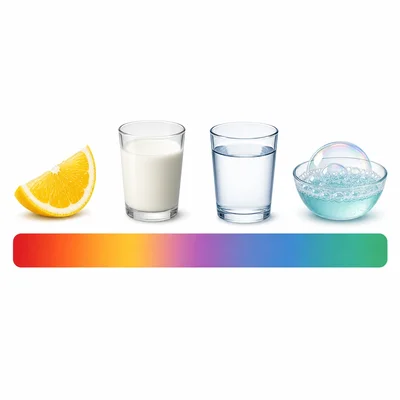
Put these substances in order from most acidic to most basic: milk pH 6.5, lemon juice pH 2, water pH 7, soap solution pH 10.
- 12
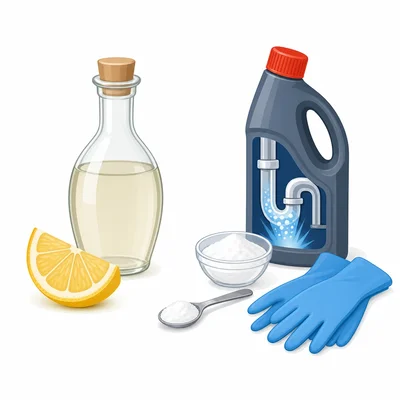
A student says, "All acids are dangerous, and all bases are safe." Explain why this statement is not correct using everyday examples.