Practice recognizing signs of chemical reactions and balancing chemical equations using conservation of atoms.
Read each problem carefully. Balance each equation by changing only coefficients, not subscripts. Use complete sentences when an explanation is requested.
Identify reaction evidence and balance simple chemical equations
Chemistry - Grade 6-8
- 1
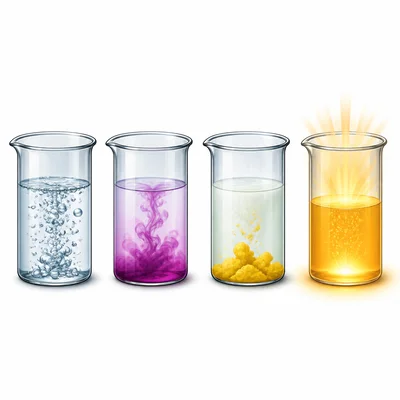
List two common signs that a chemical reaction may have occurred.
- 2
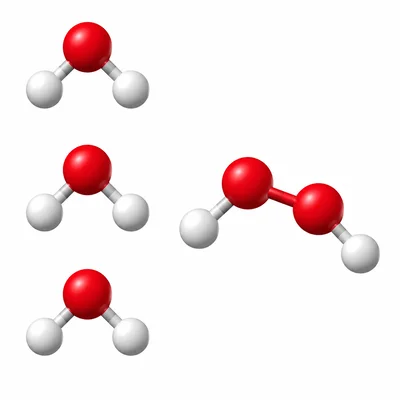
Explain why subscripts in a chemical formula should not be changed when balancing an equation.
- 3
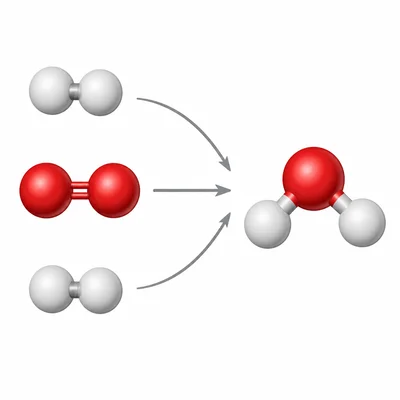
Balance the equation: H2 + O2 -> H2O
- 4
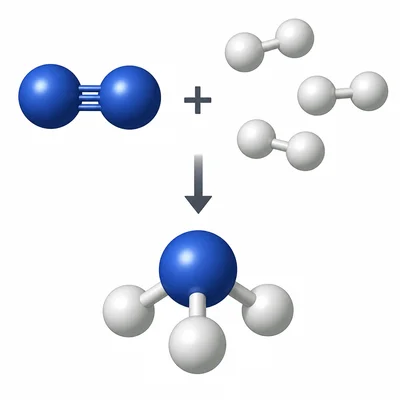
Balance the equation: N2 + H2 -> NH3
- 5
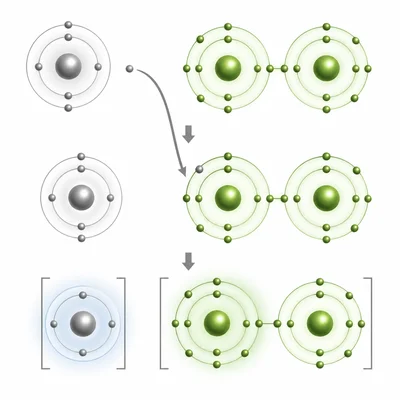
Balance the equation: Na + Cl2 -> NaCl
- 6
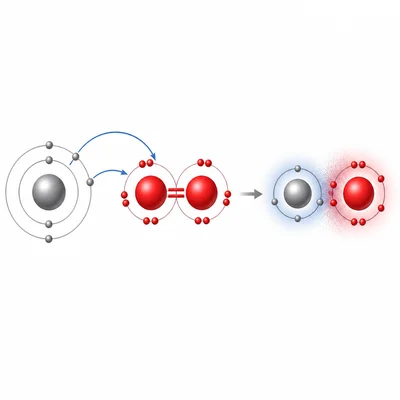
Balance the equation: Mg + O2 -> MgO
- 7
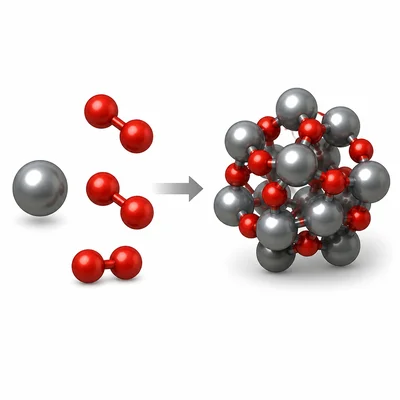
Balance the equation: Fe + O2 -> Fe2O3
- 8
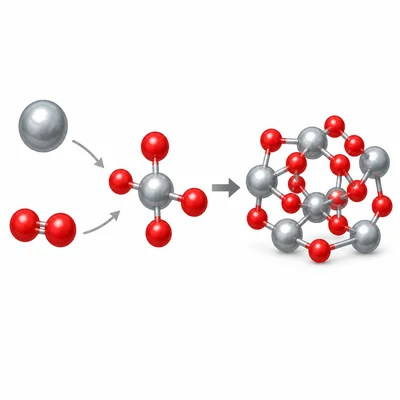
Balance the equation: Al + O2 -> Al2O3
- 9
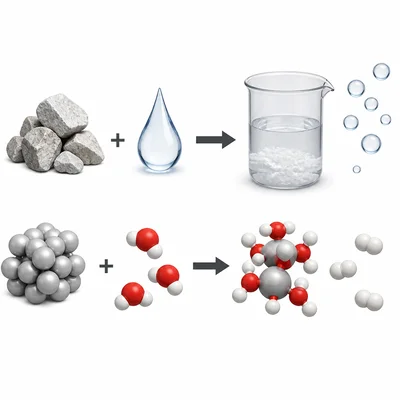
Balance the equation: Ca + H2O -> Ca(OH)2 + H2
- 10
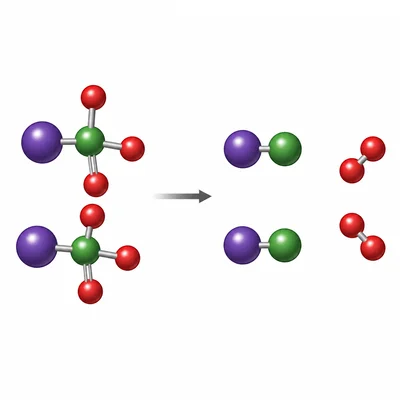
Balance the equation: KClO3 -> KCl + O2
- 11
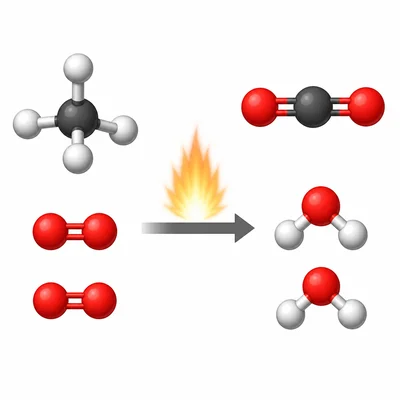
Balance the equation: CH4 + O2 -> CO2 + H2O
- 12
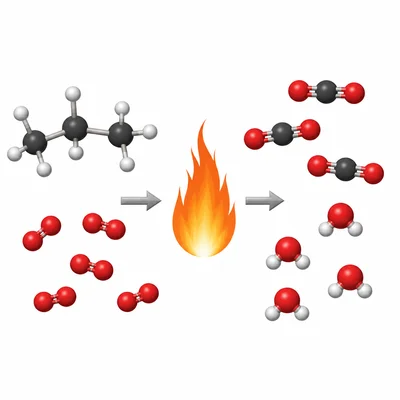
Balance the equation: C3H8 + O2 -> CO2 + H2O
- 13
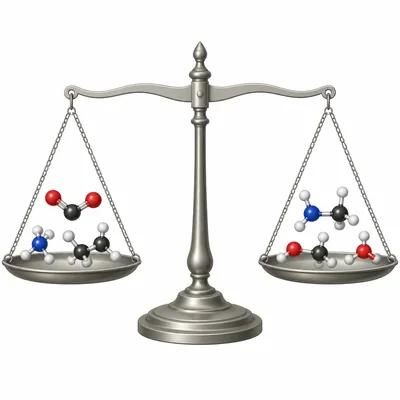
A student says a balanced equation means the same number of molecules are on each side. Explain what is actually conserved in a balanced chemical equation.
- 14
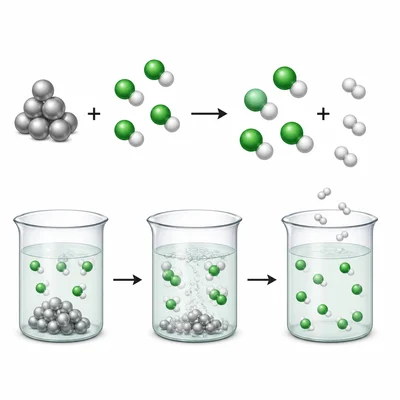
Balance the equation: Zn + HCl -> ZnCl2 + H2
- 15
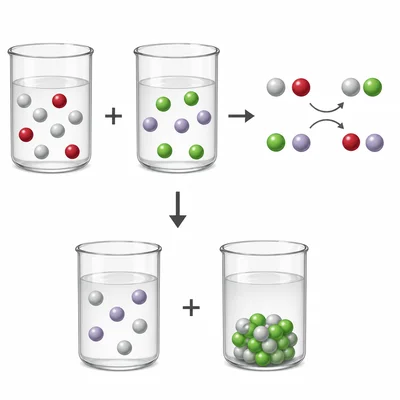
Balance the equation: AgNO3 + NaCl -> AgCl + NaNO3