Practice identifying and describing the properties of matter, including solids, liquids, and gases.
Read each problem carefully. Use what you know about solids, liquids, and gases to answer in complete sentences.
Observing and describing solids, liquids, and gases
Chemistry - Grade 2-3
- 1
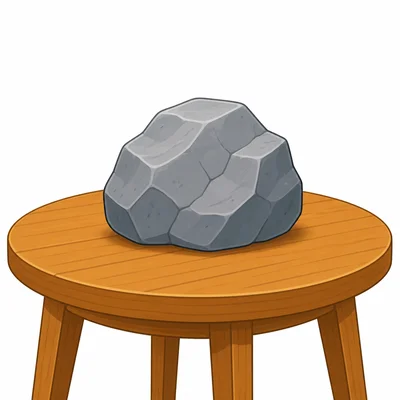
A rock keeps its own shape when you put it on a table. Is the rock a solid, liquid, or gas? Explain how you know.
- 2
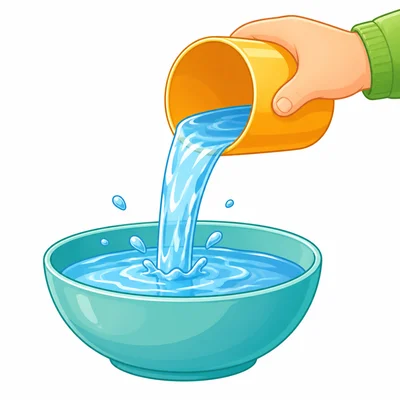
Water is poured from a cup into a bowl. Is water a solid, liquid, or gas? Explain your answer.
- 3
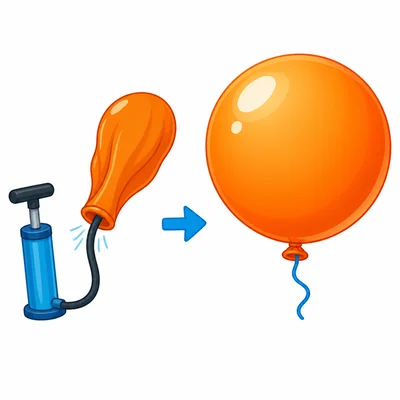
Air fills a balloon. Is air a solid, liquid, or gas? Explain how you know.
- 4
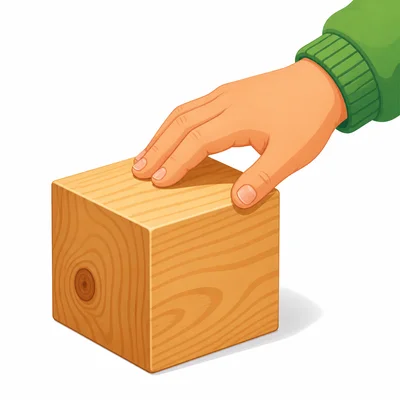
Name one property of a wooden block that you can observe with your eyes or hands.
- 5
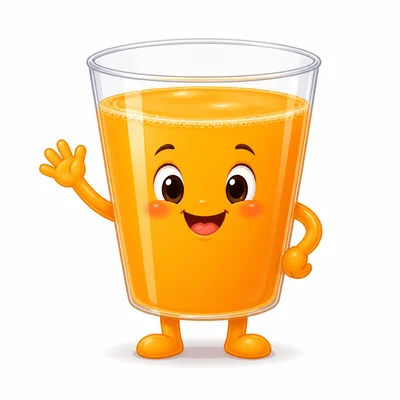
A cup of juice takes the shape of the cup. What does this tell you about juice?
- 6
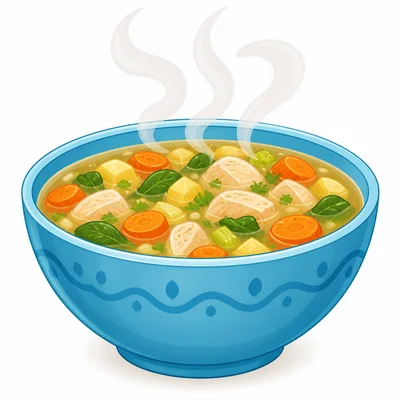
Steam rises from hot soup. Is the steam most like a solid, liquid, or gas? Explain.
- 7
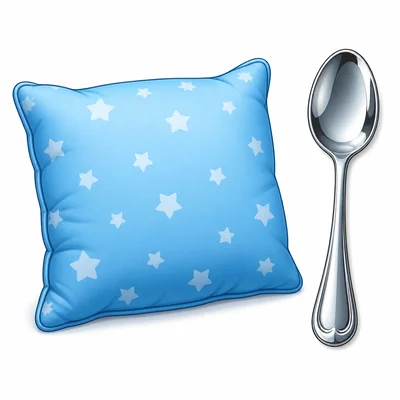
Which one is soft: a pillow or a metal spoon? Write a sentence that tells the property.
- 8
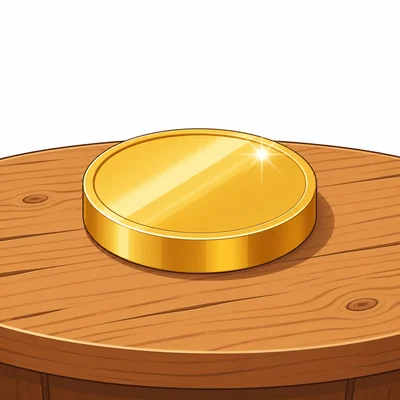
A coin is shiny and hard. Are shiny and hard properties of matter? Explain.
- 9
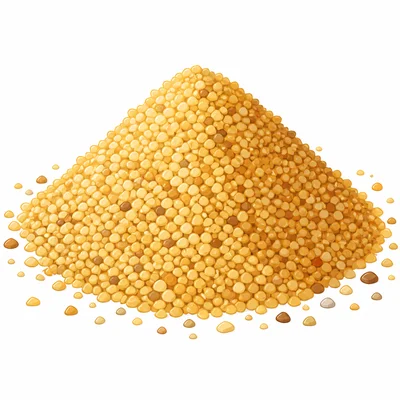
Does sand act more like one big solid object or many tiny solid pieces? Explain your thinking.
- 10
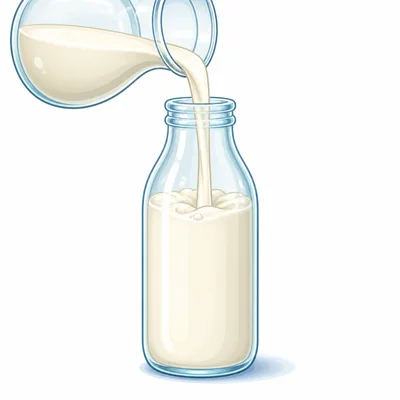
If you put milk into a bottle, what shape will the milk have? Explain.
- 11
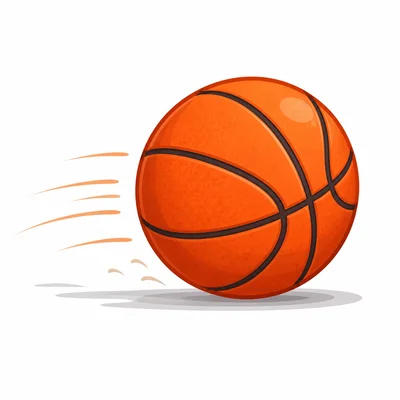
A student says a basketball is a liquid because it can move. Is that correct? Explain why or why not.
- 12
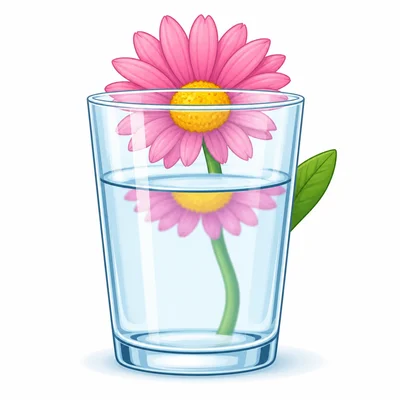
Choose the best word to describe glass: rough, clear, or sticky. Explain why that word fits.
- 13
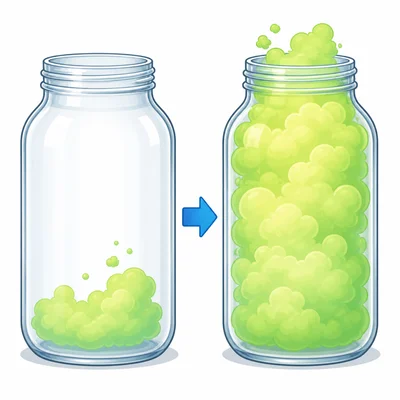
What happens to the shape of a gas when it is put into a jar?
- 14
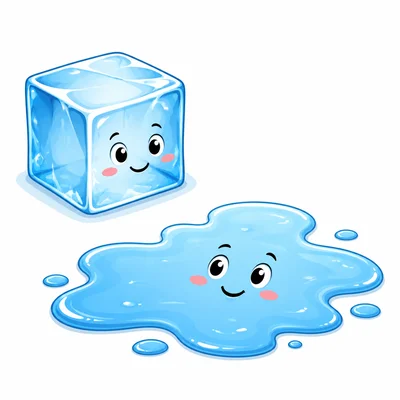
An ice cube and liquid water are both made of water. How are their shapes different?
- 15

Look at a rubber ball. Write two properties you could use to describe it.