Practice identifying chemical reactions, physical changes, reactants, products, and signs of chemical change using examples from cooking and baking.
Read each problem carefully. Use complete sentences and show your reasoning in the space provided.
Explore evidence of chemical change using everyday foods
Chemistry - Grade 6-8
- 1
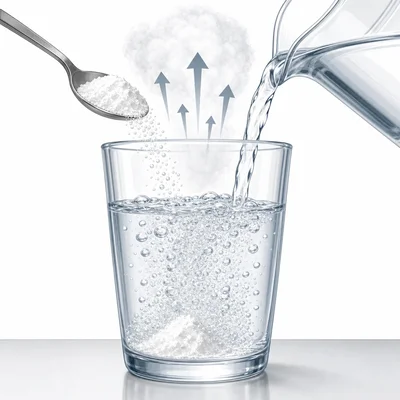
When you mix baking soda and vinegar, the mixture bubbles and produces a gas. Identify the reactants and one product of this reaction.
- 2
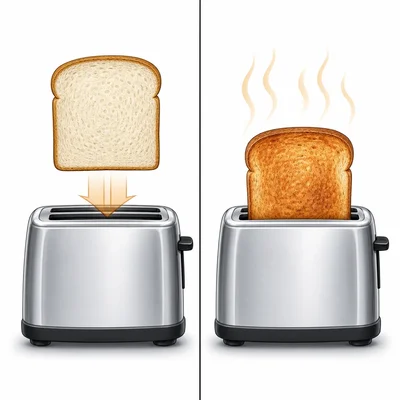
A slice of bread turns brown and crispy in a toaster. Is this mainly a physical change or a chemical change? Explain your answer.
- 3
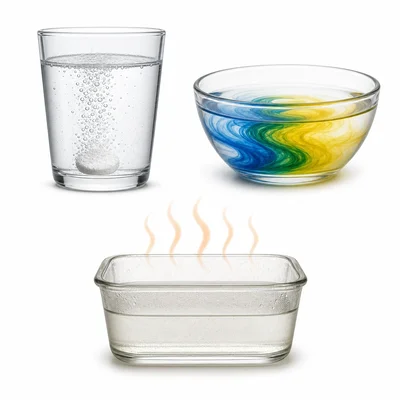
List three signs that a chemical reaction may be happening in a kitchen experiment or cooking process.
- 4

When an egg is cooked, the clear liquid egg white turns solid and white. Explain why this is a chemical change.
- 5
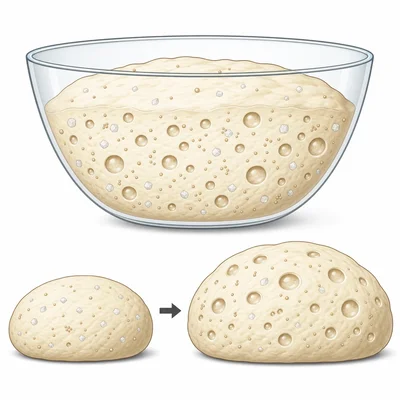
In baking, yeast uses sugar and releases carbon dioxide gas. How does this chemical reaction help bread dough rise?
- 6
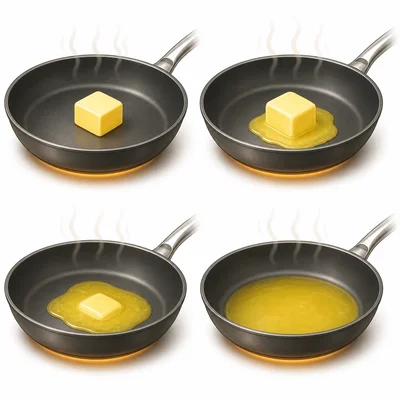
A student melts butter in a pan. No new substance is made. Is melting butter a chemical reaction? Explain your answer.
- 7
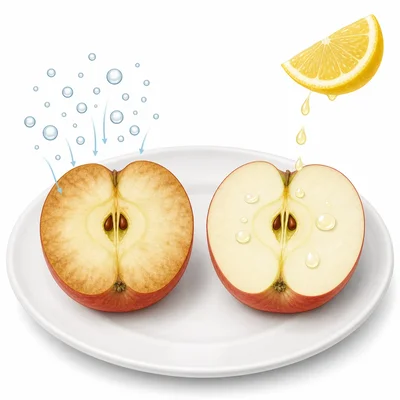
Lemon juice can prevent apple slices from browning quickly. The browning is caused by a chemical reaction with oxygen in the air. What role does the lemon juice play?
- 8
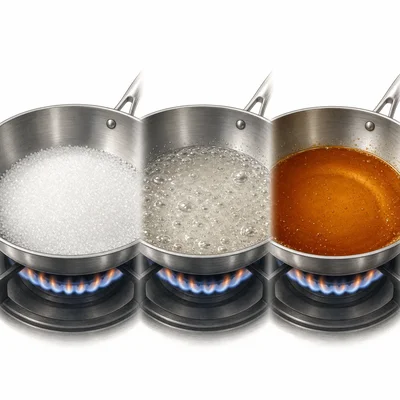
When sugar is heated in a pan, it melts and then turns brown as caramel forms. Which part is a physical change, and which part is a chemical change?
- 9
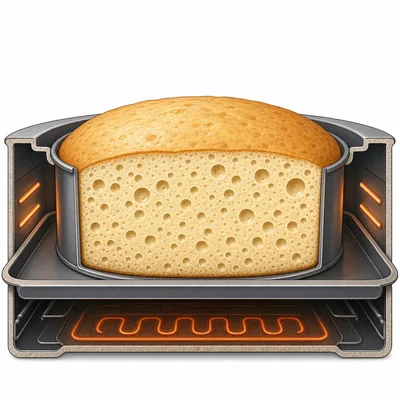
A cake recipe uses baking powder. During baking, baking powder reacts and releases carbon dioxide gas. What evidence could you observe that shows a reaction is occurring?
- 10
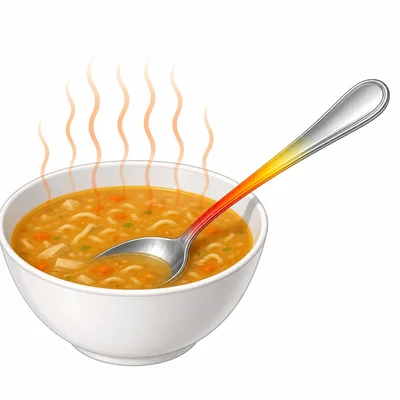
A metal spoon left in hot soup becomes warm. Is this an example of a chemical reaction? Explain your answer.
- 11
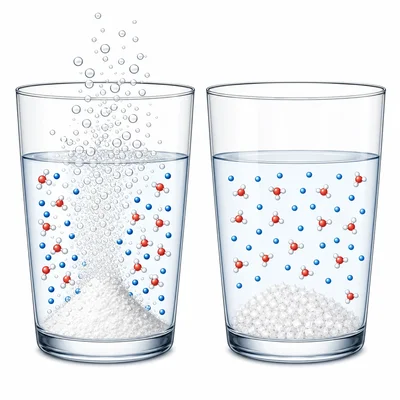
Vinegar is acidic, and baking soda is basic. When they are mixed, they react to form new substances. Why is this different from simply stirring sugar into water?
- 12
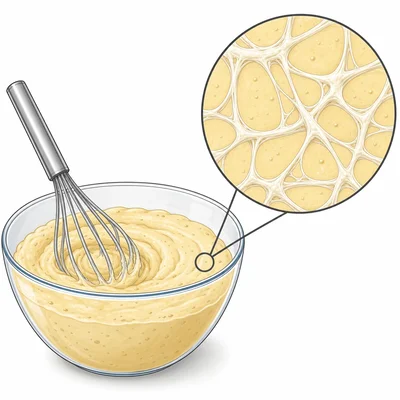
A recipe says to avoid overmixing muffin batter because too much mixing can develop gluten, which changes the texture. Is gluten development a chemical change, a physical change, or both? Explain your answer at a middle school level.