Explore how environmental benefits and burdens are distributed across communities, and practice using evidence to identify environmental justice concerns.
Read each problem carefully. Use evidence, clear reasoning, and complete sentences in your responses.
Analyzing fairness in environmental risks, benefits, and decision-making
Environmental Science - Grade 9-12
- 1
Define environmental justice in your own words. Include both the idea of fair treatment and the idea of meaningful involvement in decisions.
- 2
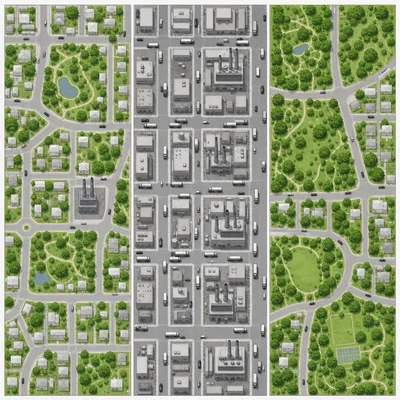
A city has three neighborhoods. Neighborhood A has 2 parks, low traffic, and one small factory. Neighborhood B has no parks, heavy truck traffic, and three factories. Neighborhood C has 4 parks, low traffic, and no factories. Identify which neighborhood may be experiencing an environmental justice concern and explain why.
- 3
Explain the difference between environmental equality and environmental equity. Give one example of each.
- 4
A community near a highway has higher asthma rates than the city average. List two types of data scientists or public health officials could collect to investigate whether traffic pollution is contributing to the problem.
- 5
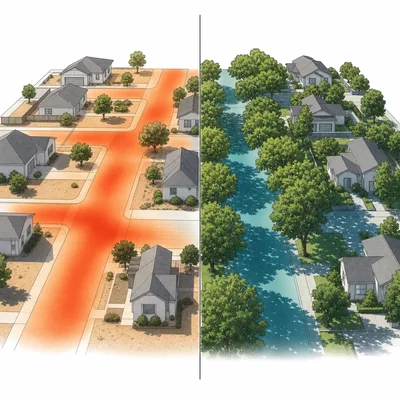
Study this data: Community X has an average household income of $42,000, 18 percent tree canopy, and an average summer surface temperature of 96°F. Community Y has an average household income of $91,000, 42 percent tree canopy, and an average summer surface temperature of 88°F. What pattern do you notice, and why might it matter for environmental justice?
- 6
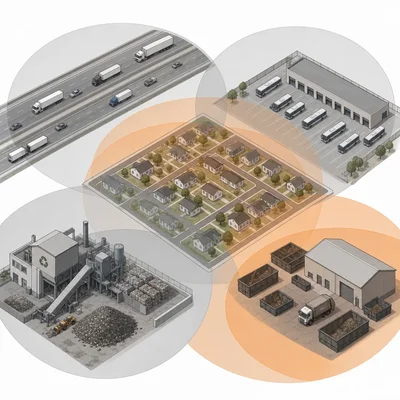
A new waste transfer station is proposed for a neighborhood that already has a bus depot, a recycling plant, and a major highway. Explain what cumulative impacts are and how they apply to this situation.
- 7
A state agency holds a public meeting about a proposed chemical plant at 2:00 p.m. on a weekday, provides documents only in English, and gives residents one week to comment. Identify two barriers to meaningful involvement and suggest one improvement for each.
- 8
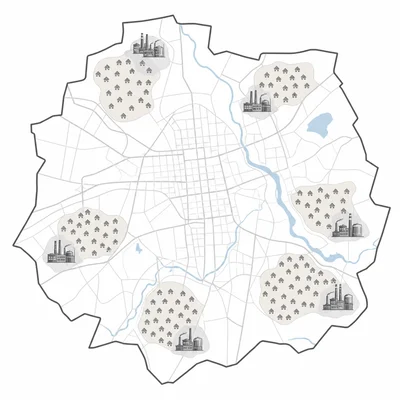
A map shows that hazardous waste sites are clustered near low-income communities and communities of color. Explain why a map alone is not enough to prove cause and effect, but why it can still be useful evidence.
- 9
Give one example of an environmental benefit and one example of an environmental burden. Then explain how unequal distribution of these can affect quality of life.
- 10
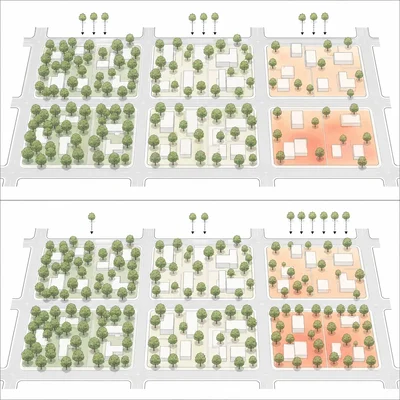
A city has $2 million to reduce heat risk. Option 1 plants the same number of trees in every neighborhood. Option 2 plants more trees in neighborhoods with the hottest temperatures, fewest trees, and highest rates of heat-related illness. Which option better supports environmental equity, and why?