Practice explaining biodiversity, identifying causes of habitat loss, and predicting how ecosystem changes affect organisms.
Read each problem carefully. Use complete sentences and support your answers with evidence or reasoning when asked.
Exploring how habitat changes affect living things
Environmental Science - Grade 6-8
- 1
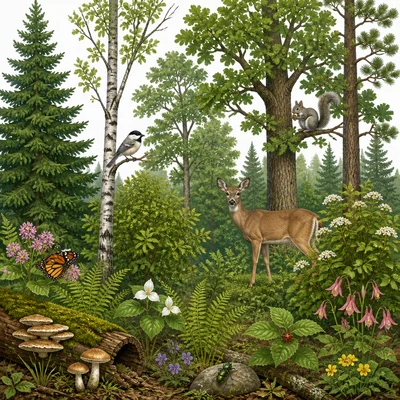
Define biodiversity in your own words. Include an example of biodiversity in a forest ecosystem.
- 2
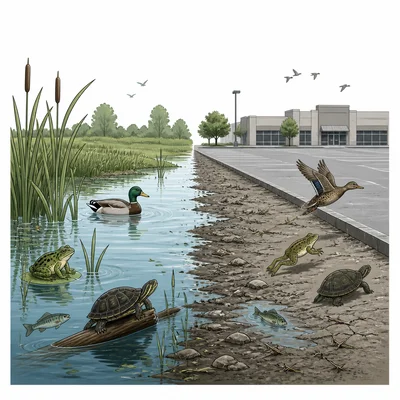
A wetland is drained to build a shopping center. Name two ways this habitat loss could affect animals that lived in the wetland.
- 3
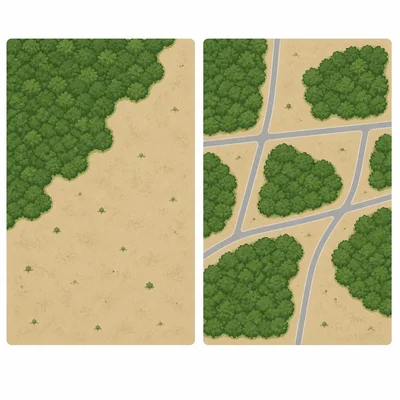
Explain the difference between habitat loss and habitat fragmentation.
- 4
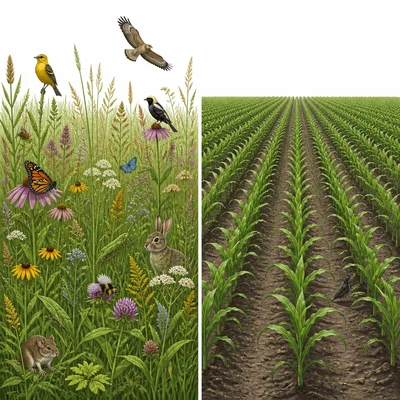
A grassland has many types of grasses, flowers, insects, birds, and small mammals. A nearby field has only one crop species growing in rows. Which area likely has higher biodiversity, and why?
- 5
List three human activities that can cause habitat loss.
- 6
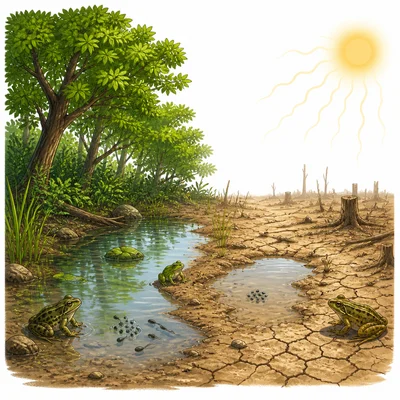
A certain frog species lays eggs only in shallow ponds. If those ponds dry up because trees are removed and the area becomes hotter, what might happen to the frog population?
- 7
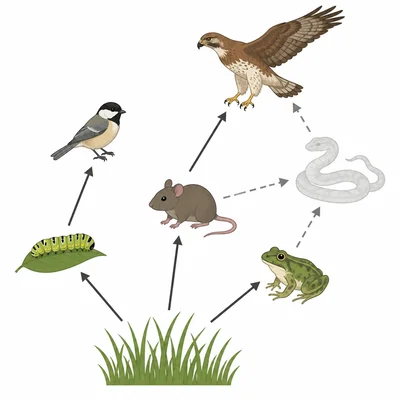
Why can losing one species affect other species in the same ecosystem?
- 8
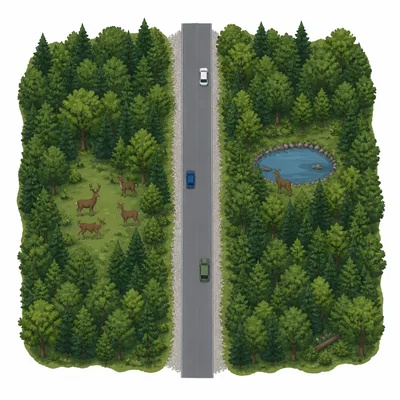
A road is built through a forest, splitting it into two smaller sections. Explain one problem this could create for a population of deer living there.
- 9
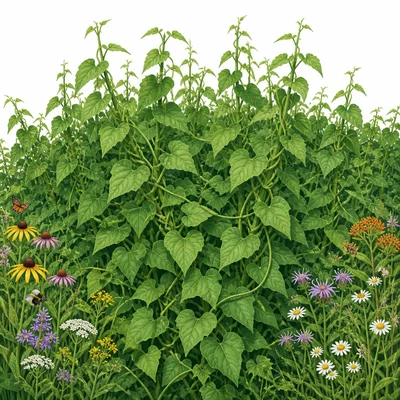
An invasive plant spreads through a meadow and crowds out native wildflowers. How could this reduce biodiversity?
- 10
A local park wants to improve biodiversity. Choose two actions from this list and explain why they would help: plant native flowers, remove invasive plants, pave more trails, leave dead logs in safe areas, drain a pond.
- 11
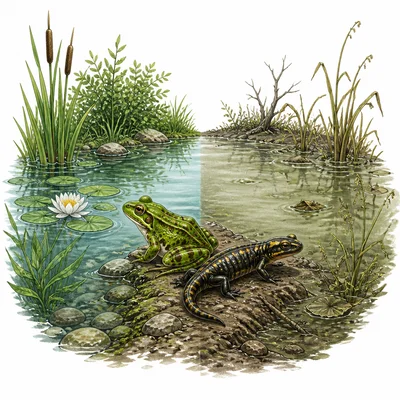
A species is called an indicator species when its health gives clues about the health of an ecosystem. Explain why amphibians, such as frogs and salamanders, can be good indicator species.
- 12
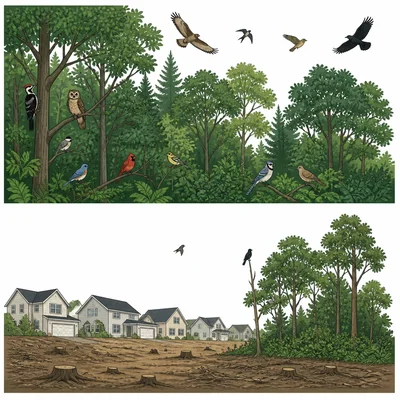
Write a short claim supported by evidence for this situation: In a forest study, scientists found 18 bird species before a large area was cleared for housing. Five years later, they found 7 bird species in the remaining forest.