Practice finding theoretical probability, experimental probability, and explaining why they may be different.
Read each problem carefully. Show your work and write probabilities as fractions, decimals, or percents when asked.
Compare expected chances with real results
Math - Grade 6-8
- 1
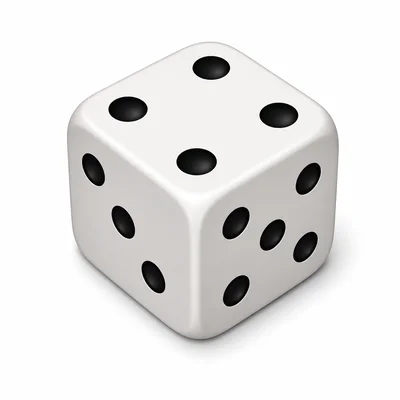
A fair number cube has faces numbered 1 through 6. What is the theoretical probability of rolling a 4?
- 2
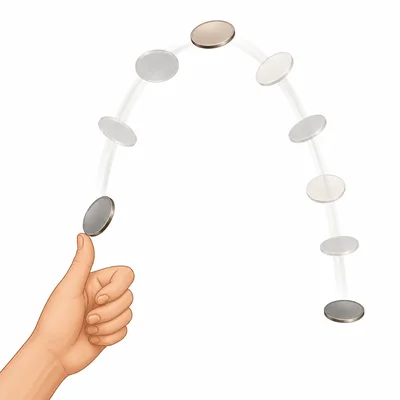
Maya flips a fair coin 40 times and gets heads 18 times. What is the experimental probability of getting heads?
- 3
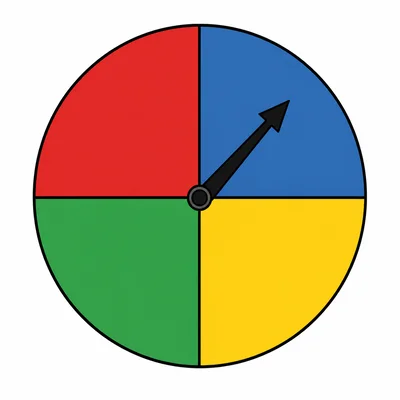
A spinner has 4 equal sections: red, blue, green, and yellow. What is the theoretical probability of landing on green?
- 4
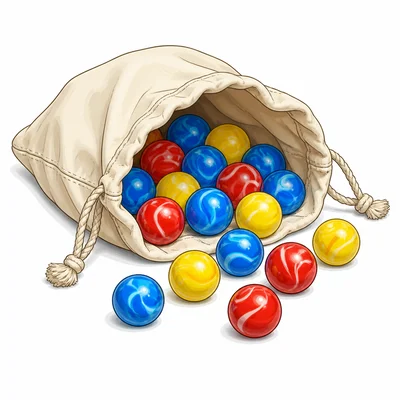
A bag contains 3 red marbles, 2 blue marbles, and 5 yellow marbles. What is the theoretical probability of picking a blue marble without looking?
- 5
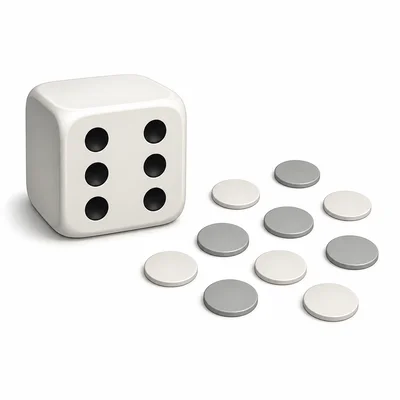
A student rolls a fair number cube 60 times and rolls a 6 exactly 8 times. What is the experimental probability of rolling a 6?
- 6
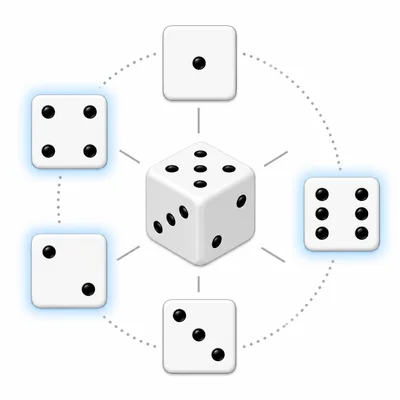
For a fair number cube, the theoretical probability of rolling an even number is 3/6, or 1/2. If Jamal rolls the cube 20 times, should he always get exactly 10 even numbers? Explain.
- 7
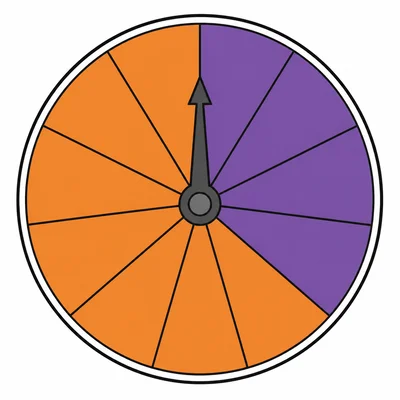
A spinner has 10 equal sections. There are 4 purple sections and 6 orange sections. What is the theoretical probability of landing on purple?
- 8

A basketball player makes 12 out of 20 free throws during practice. What is the experimental probability that the player makes a free throw?
- 9
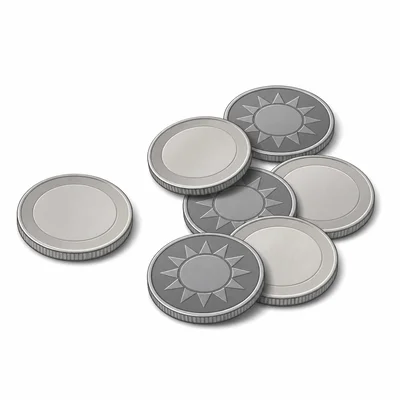
A fair coin is flipped once. Find the theoretical probability of tails. Then compare it to an experiment where tails happened 7 times in 10 flips.
- 10
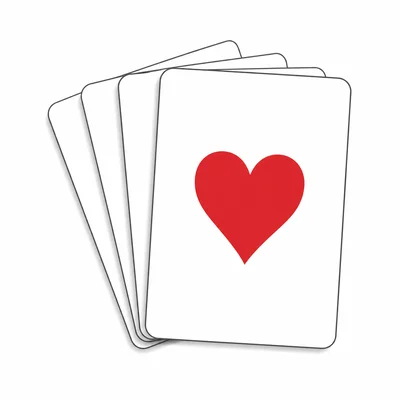
A card is chosen from a standard deck of 52 cards. There are 13 hearts in the deck. What is the theoretical probability of choosing a heart?
- 11
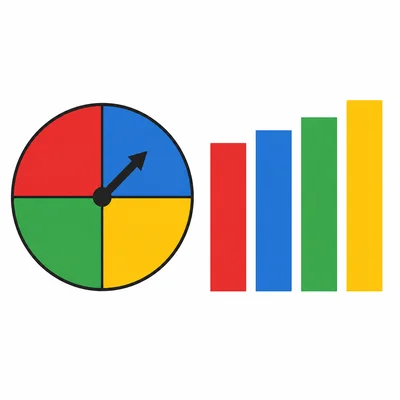
The table shows the results of spinning a spinner 50 times: red 14 times, blue 11 times, green 10 times, and yellow 15 times. What is the experimental probability of landing on yellow?
- 12
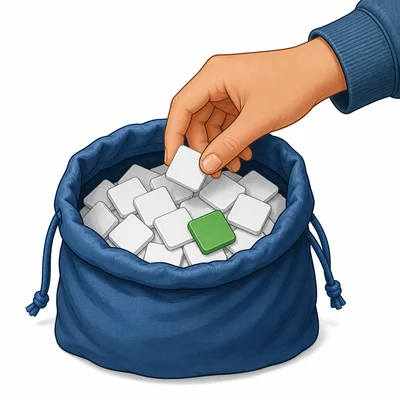
A bag has 1 green tile and 9 white tiles. Without looking, a student picks one tile, replaces it, and repeats this 100 times. About how many times would you expect the student to pick the green tile?
- 13
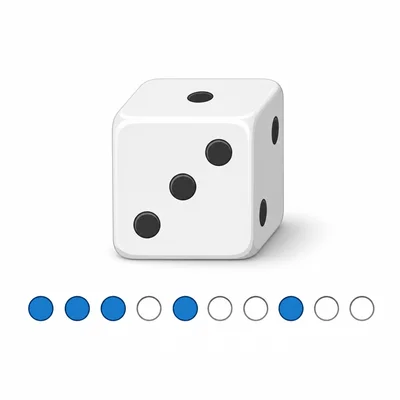
Lena rolls a fair number cube 12 times and gets a 3 five times. The theoretical probability of rolling a 3 is 1/6. Is her experimental probability greater than, less than, or equal to the theoretical probability?
- 14
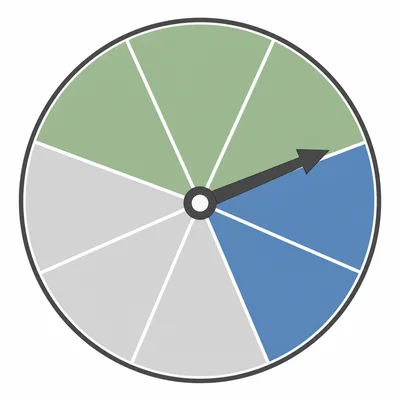
A spinner is divided into 8 equal sections. Three sections are labeled A, two sections are labeled B, and three sections are labeled C. Find the theoretical probability of landing on B.
- 15
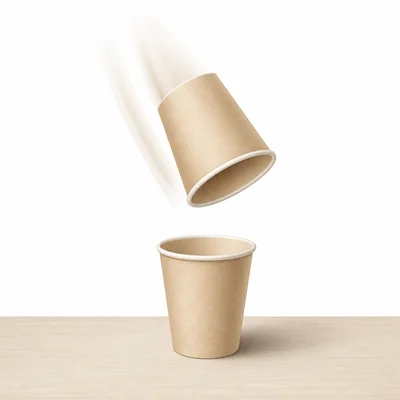
In an experiment, a paper cup lands open side up 22 times out of 50 drops. The theoretical probability is not known. Can you find an experimental probability from the data? Explain.