Practice identifying constellations, describing star patterns, and understanding how people use stars in the night sky.
Read each problem carefully. Write your answer in a complete sentence when you can.
Learning how people find star patterns in the night sky
Science - Grade 2-3
- 1
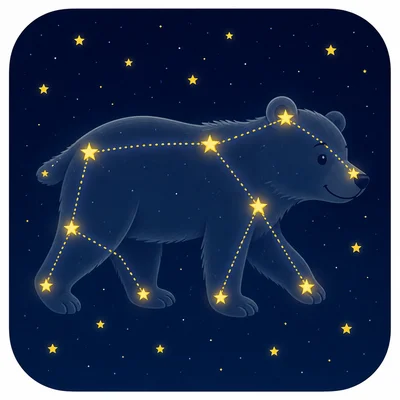
What is a constellation?
- 2
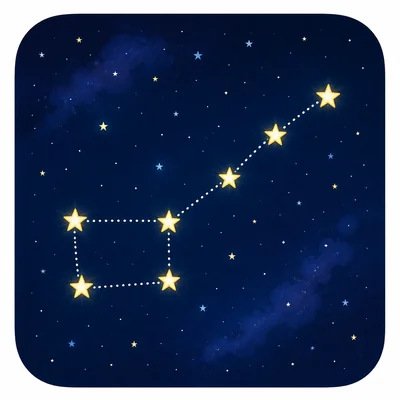
Look at a group of bright stars that make the shape of a spoon. What could this star pattern help people remember?
- 3
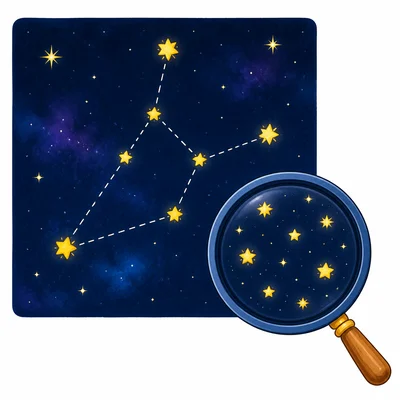
Are the stars in a constellation really connected by lines in space? Explain your answer.
- 4
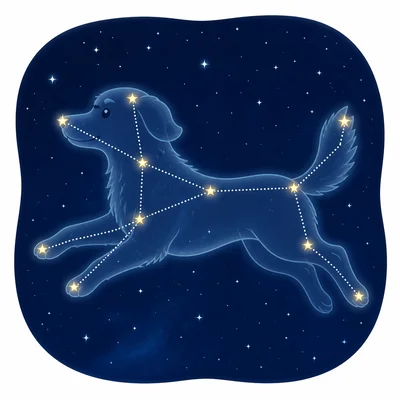
Why do many constellations look like pictures or shapes?
- 5
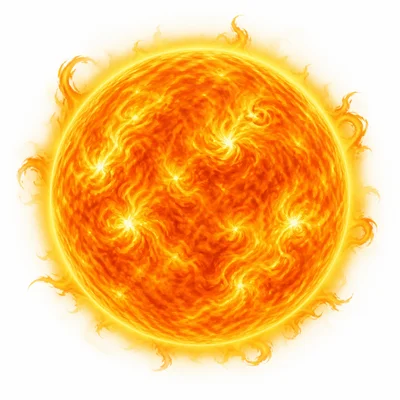
Circle the word that best describes stars: rocks, plants, or balls of hot gas. Then explain your choice.
- 6
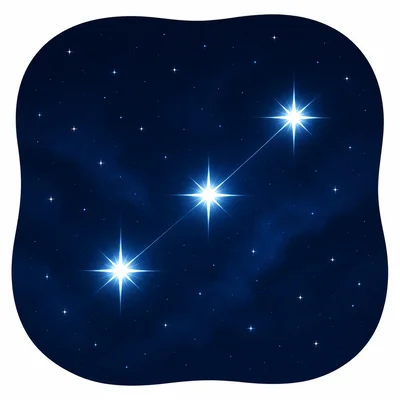
A student sees three stars in a straight line. What shape or object could the student imagine from this pattern?
- 7

Why can it be hard to see stars and constellations in a city?
- 8
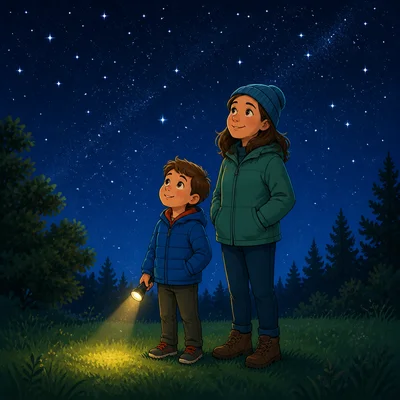
Name one safe thing you can do when observing stars at night.
- 9
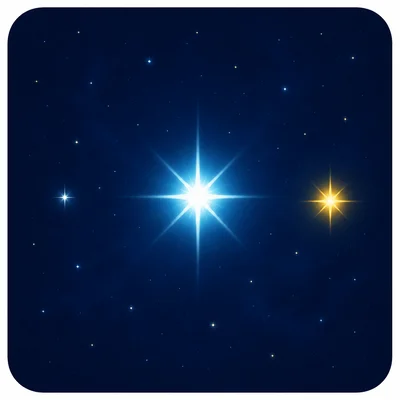
Look at the star map. Which star is the brightest, A, B, or C? Explain how you know.
- 10
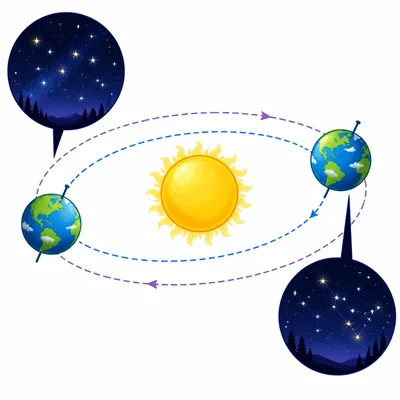
Some constellations can only be seen during certain seasons. Why might the night sky look different in winter than in summer?
- 11
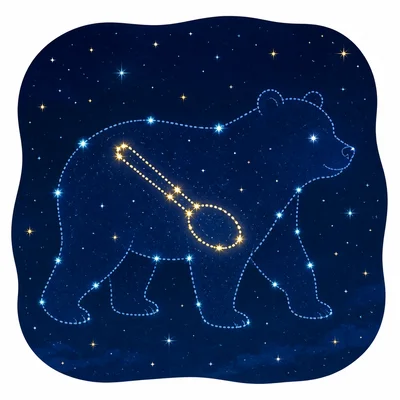
The Big Dipper is a famous star pattern. Is it a whole constellation or part of a larger constellation?
- 12
Draw or describe a constellation you could make using five stars.
- 13
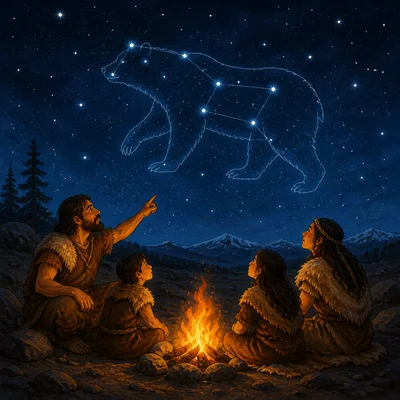
Why did people long ago tell stories about constellations?
- 14
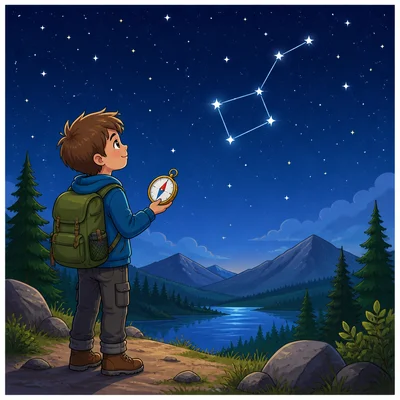
A compass can help you face north. How can knowing directions help when looking for a constellation?
- 15
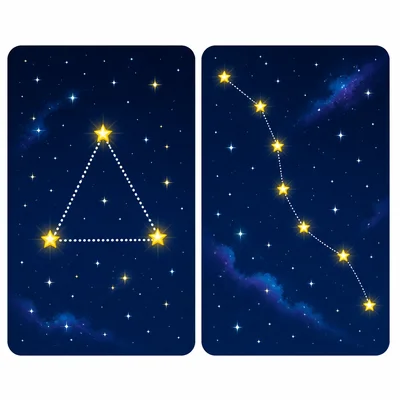
Look at two star patterns. Pattern 1 has stars close together in a triangle. Pattern 2 has stars spread out in a long curve. Describe one difference between the two patterns.