Parent and Baby Animals Lab
Pick a parent animal and meet its baby. Look at the traits the baby inherits, record what you find in a table, and discover why some baby animals look very different from their parents.
Guided ExperimentParent and Offspring Traits Investigation
Do all baby animals look just like their parents, only smaller? Write your prediction before you start.
Write your hypothesis in the Lab Report panel, then click Next.
Pick an Animal Pair
Meet the Pair
Inherited Traits (4)
- four legs
- fur coat
- tail
- same face shape
Controls
Reference Guide
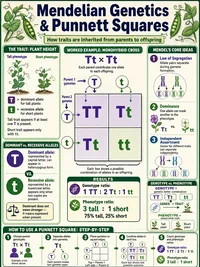
What Are Inherited Traits
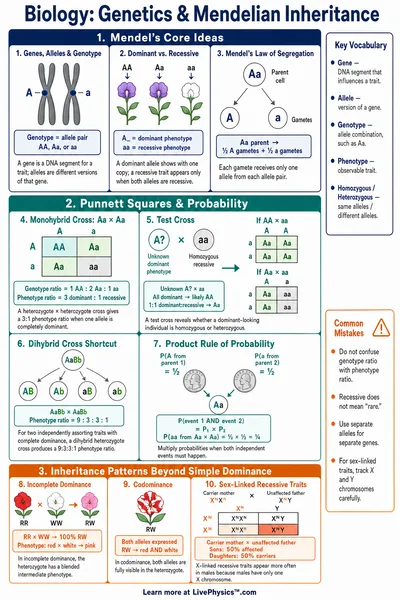
An inherited trait is a feature that a baby animal gets from its parents. Dogs have puppies with fur and four legs. Ducks have ducklings with webbed feet and feathers.
Baby animals are always the same kind as their parents. A kitten is never born from a duck.
Looking Alike
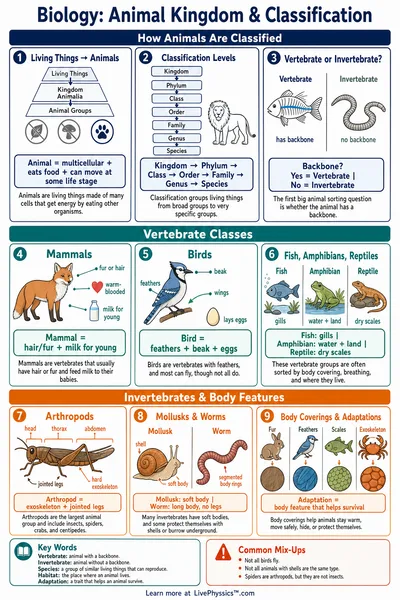
Many baby animals look like a smaller version of their parent. A puppy looks like a tiny dog. A calf looks like a small cow.
Even when a baby looks like its parent, each one is a little different. Puppies in the same litter can have different spots or colors.
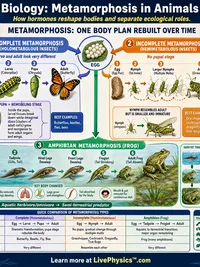
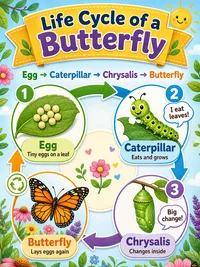
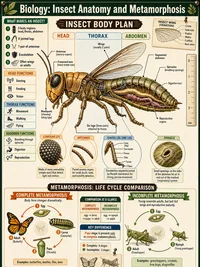
Metamorphosis
Some animals change a lot as they grow. This big change is called metamorphosis. The baby stage can look very different from the adult.
Even though they look different at first, tadpoles still grow into frogs and caterpillars still grow into butterflies.
How to Use the Lab
Pick an animal pair from the grid. Read the list of inherited traits. Click Add to Table to record the pair. Pick another pair and keep going.
Open the Guided Experiment to follow the full investigation, write a hypothesis, and answer the questions at the end.