Practice explaining the discovery of cells, the scientists who contributed to cell theory, and the main ideas of cell theory.
Read each problem carefully. Write complete answers and use evidence from the lesson when possible.
How microscopes helped scientists understand living things
Biology - Grade 6-8
- 1
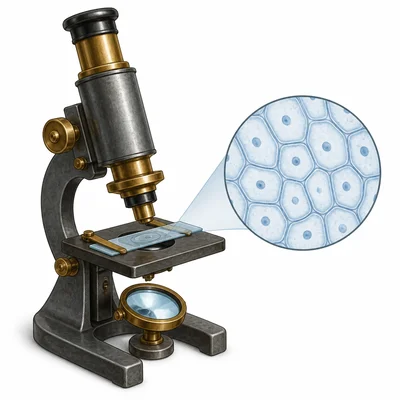
What tool made the discovery of cells possible, and why was it so important?
- 2
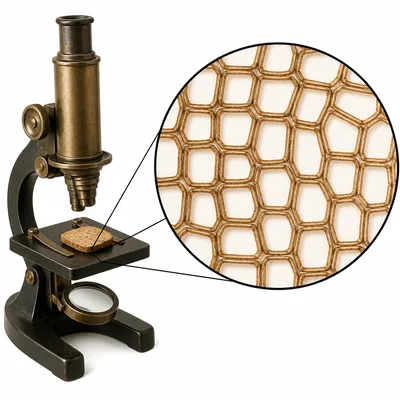
Robert Hooke looked at thin slices of cork in 1665. What did he observe, and what word did he use to describe what he saw?
- 3
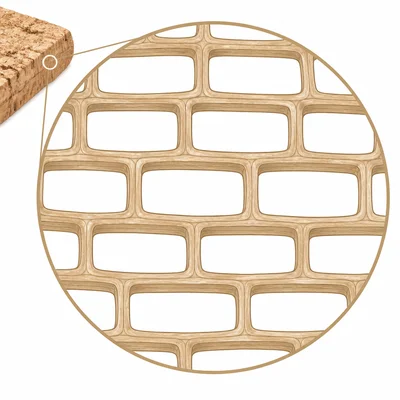
Explain why the cork cells Robert Hooke saw were not living cells at the time he observed them.
- 4
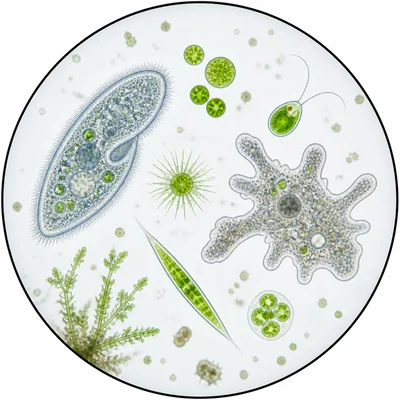
Anton van Leeuwenhoek observed tiny living organisms in pond water. Why was this discovery important?
- 5
Match each scientist with the correct contribution: Robert Hooke, Anton van Leeuwenhoek, Matthias Schleiden, Theodor Schwann, Rudolf Virchow. Write one contribution for each scientist.
- 6
State the three main parts of modern cell theory.
- 7
A student says, "Rocks must be made of cells because they are found in nature." Explain why this statement is incorrect.
- 8
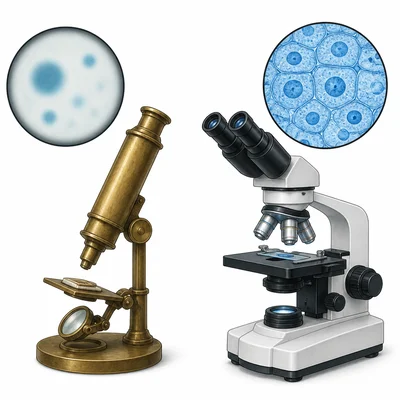
How did improved microscopes help scientists develop cell theory over time?
- 9
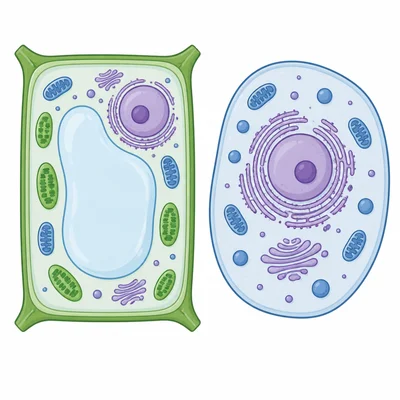
Matthias Schleiden studied plants, and Theodor Schwann studied animals. How did their conclusions work together to support cell theory?
- 10
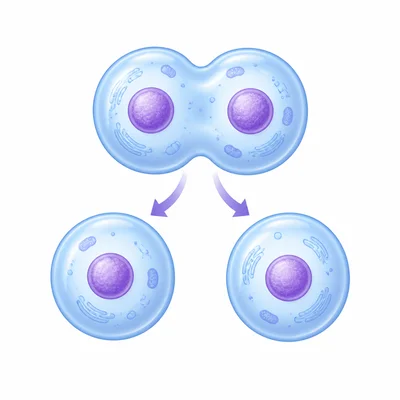
Rudolf Virchow said that all cells come from preexisting cells. Explain how this idea changed earlier thinking about where cells come from.
- 11
Put these events in the correct historical order: Schwann concludes animals are made of cells, Hooke observes cork, Virchow states cells come from preexisting cells, Leeuwenhoek observes microorganisms, Schleiden concludes plants are made of cells.
- 12
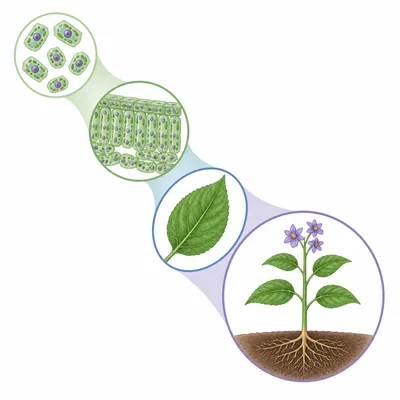
Why is the cell called the basic unit of structure and function in living things?
- 13
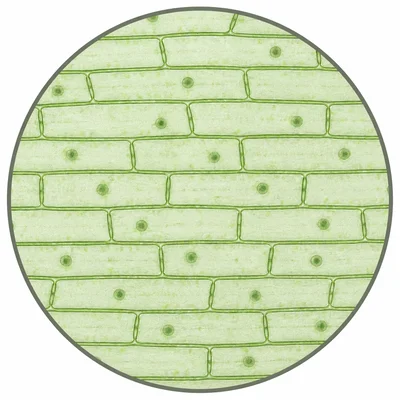
A microscope image shows many similar rectangular plant cells arranged in rows. What evidence from the image supports the idea that plants are made of cells?
- 14
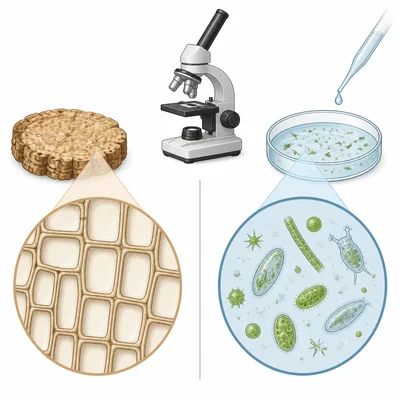
Compare Robert Hooke's observations with Anton van Leeuwenhoek's observations. How were they similar, and how were they different?
- 15
Write a short paragraph explaining how the discovery of cells shows that scientific knowledge can change over time.