Practice explaining DNA replication, identifying key enzymes, and describing major DNA repair pathways that protect genetic information.
Read each problem carefully. Use complete sentences and include key vocabulary in your explanations.
How cells copy DNA accurately and fix damage
Biology - Grade 9-12
- 1
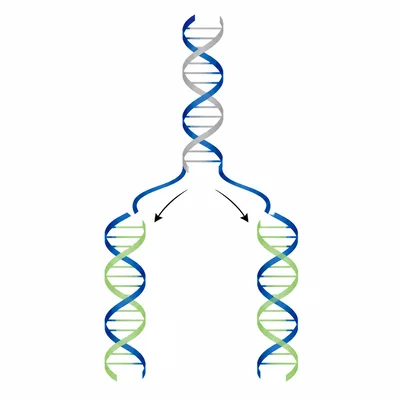
Explain what it means that DNA replication is semiconservative.
- 2
A DNA template strand has the sequence 3'-TAC GGA CTT AAG-5'. Write the complementary DNA strand in the 5' to 3' direction.
- 3
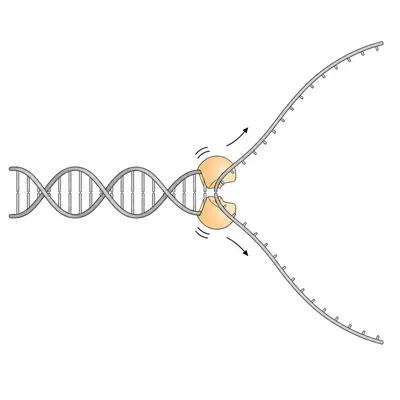
Describe the role of helicase during DNA replication.
- 4
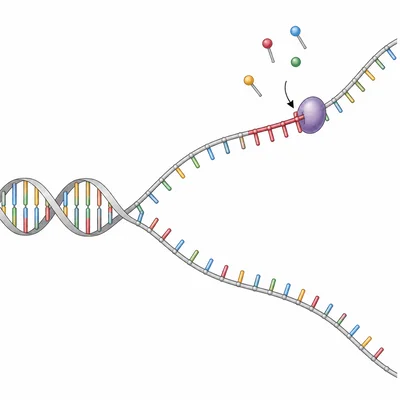
Why is primase necessary for DNA replication?
- 5
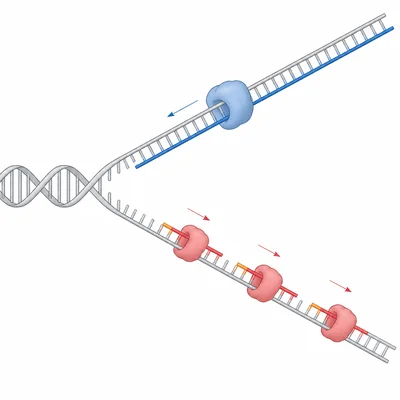
Compare the leading strand and the lagging strand during DNA replication.
- 6
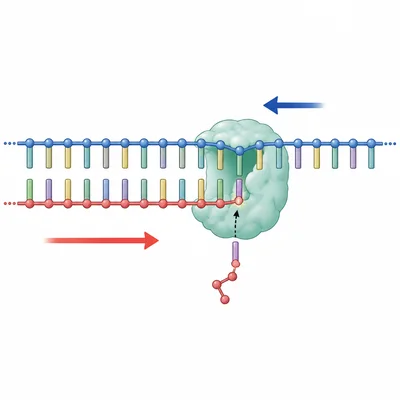
DNA polymerase can add new nucleotides only to the 3' end of a growing DNA strand. Explain how this affects the direction of DNA synthesis.
- 7
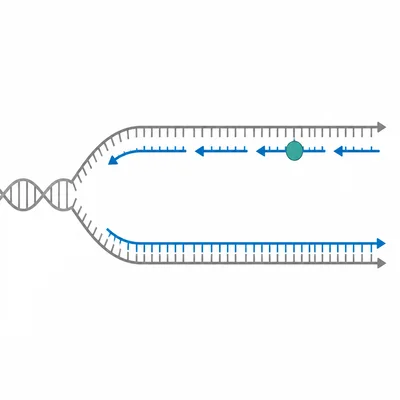
What is the function of DNA ligase during replication?
- 8
A student says, "DNA replication is accurate only because base-pairing rules prevent all mistakes." Evaluate this statement.
- 9
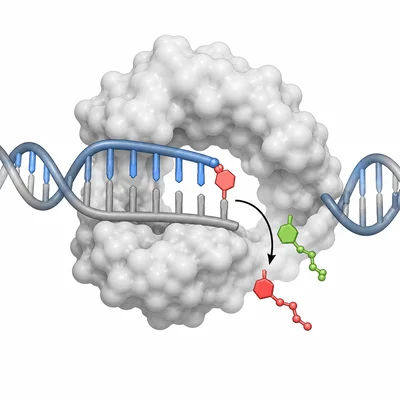
Describe how proofreading by DNA polymerase helps reduce mutations.
- 10
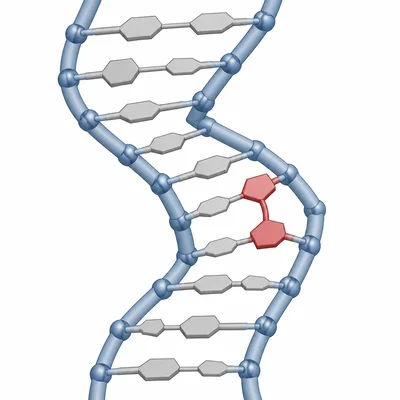
Ultraviolet light can cause thymine dimers, where two nearby thymine bases bond to each other. Explain why thymine dimers can be harmful to a cell.
- 11
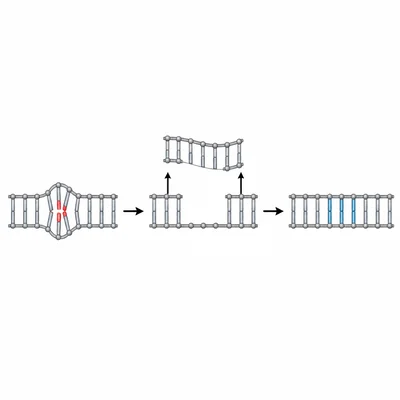
Summarize the basic steps of nucleotide excision repair.
- 12
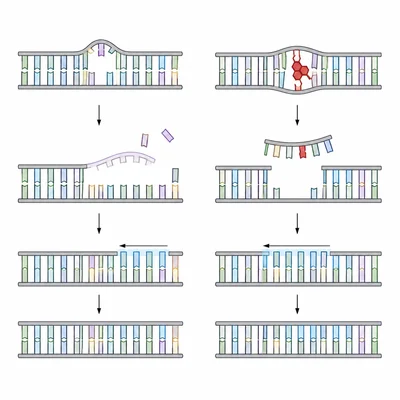
How does mismatch repair differ from nucleotide excision repair?
- 13
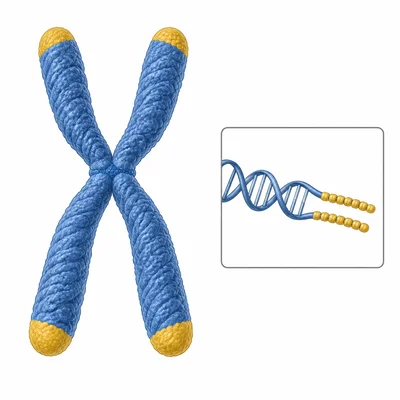
Explain why telomeres are important in eukaryotic chromosomes.
- 14
In many human body cells, telomeres shorten after repeated cell divisions. Explain one possible effect of telomere shortening.
- 15
A mutation occurs in a gene that codes for a DNA repair enzyme. Predict how this could affect the cell over time.