Practice identifying monomers, polymers, repeating units, and reaction types in organic polymerization reactions.
Read each problem carefully. Show your work in the space provided. Use complete chemical names or structural formulas when needed.
How monomers join to form addition and condensation polymers
Chemistry - Grade 9-12
- 1
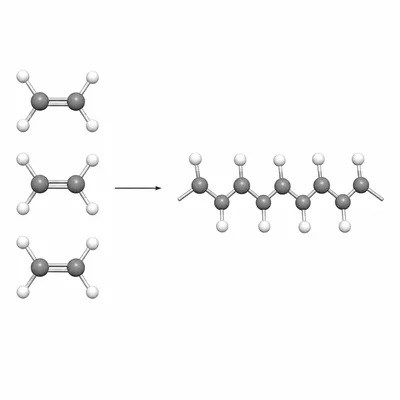
Ethene, CH2=CH2, can form polyethene through an addition polymerization reaction. Write the repeating unit of polyethene and explain what happens to the carbon-carbon double bond.
- 2
Classify the formation of polypropene from propene, CH2=CHCH3, as addition polymerization or condensation polymerization. Explain your choice.
- 3
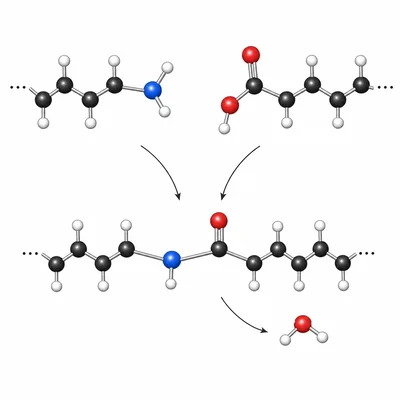
Nylon-6,6 forms when hexane-1,6-diamine reacts with hexanedioic acid. A small molecule is released each time an amide bond forms. Identify the type of polymerization and name the small molecule released.
- 4
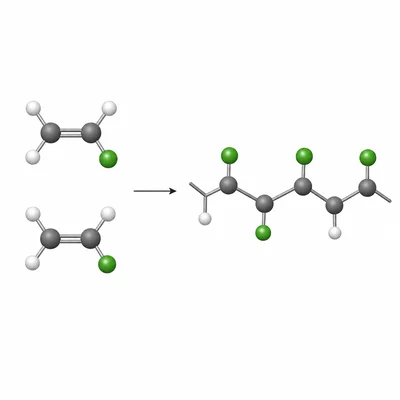
Vinyl chloride has the structure CH2=CHCl. Draw or describe the repeating unit of polyvinyl chloride, PVC.
- 5
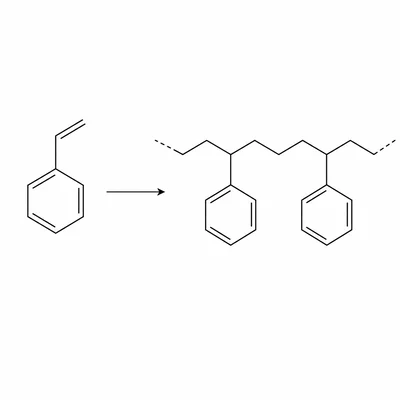
Explain the difference between a monomer and a polymer using styrene and polystyrene as examples.
- 6
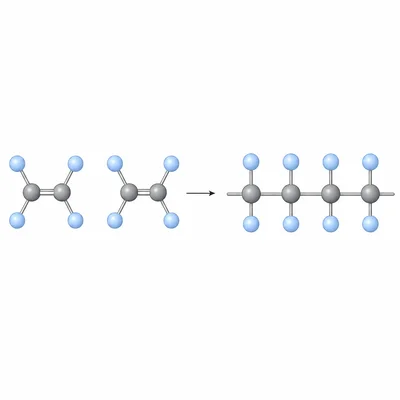
A polymer is formed from the monomer tetrafluoroethene, CF2=CF2. The product is polytetrafluoroethene, PTFE. Write the repeating unit and identify the polymerization type.
- 7
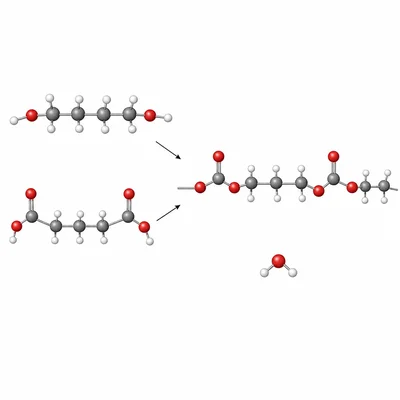
A polyester can form when a diol reacts with a dicarboxylic acid. What functional group forms in the polymer chain, and why is this reaction considered condensation polymerization?
- 8
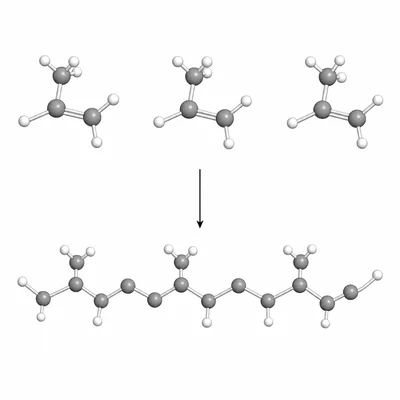
The diagram shows three propene monomers joining to begin a polypropene chain. Describe the repeating unit of polypropene in words or symbols.
- 9
Compare addition polymerization and condensation polymerization in terms of reactants and products.
- 10
A student says, "All polymerization reactions make water." Explain why this statement is incorrect.
- 11
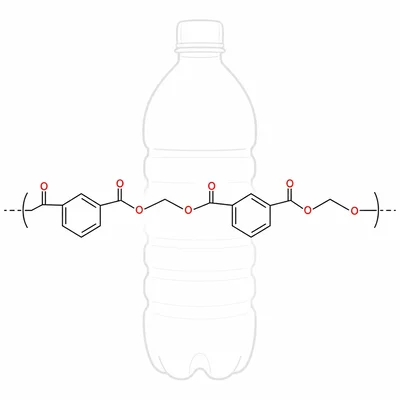
Polyethylene terephthalate, PET, is a polyester used in many plastic bottles. It forms from a diol and a dicarboxylic acid or related ester. Identify PET as an addition polymer or a condensation polymer and explain your reasoning.
- 12
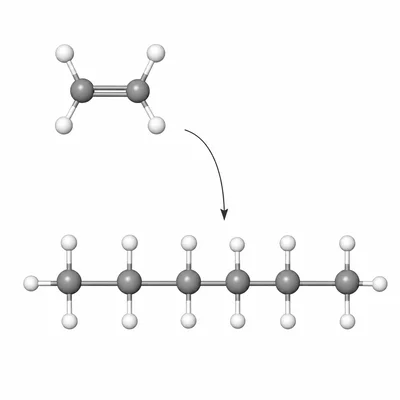
The image shows a section of a polymer chain with the repeating pattern -CH2-CH2-CH2-CH2-. Identify a possible monomer that could have formed this polymer by addition polymerization and explain your answer.