Practice reading, writing, and counting binary numbers using 0s and 1s.
Read each problem carefully. Show your work in the space provided. Remember that binary uses place values 1, 2, 4, 8, and so on.
Learn how computers count using only two digits
CS - Grade 4-5
- 1
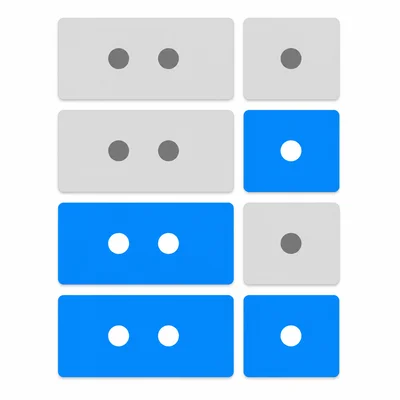
Binary uses only two digits: 0 and 1. Write the binary numbers for decimal numbers 0, 1, 2, and 3.
- 2
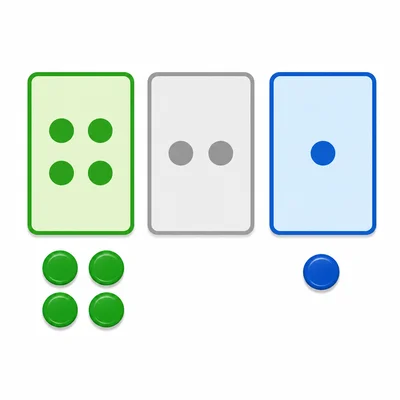
A binary number has place values. In 101, the places from left to right are 4, 2, and 1. What decimal number is 101?
- 3
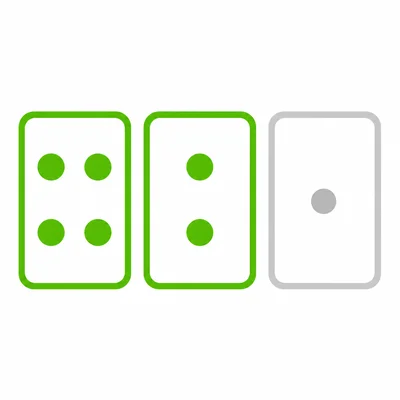
Write the decimal number 6 in binary using the place values 4, 2, and 1.
- 4
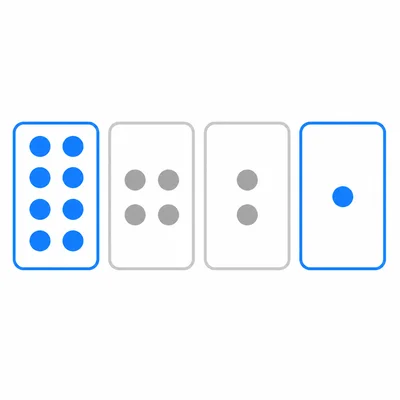
What decimal number does the binary number 1001 represent? Use the place values 8, 4, 2, and 1.
- 5

Two switches have values of 2 and 1. A switch that is on means 1, and a switch that is off means 0. If both switches are on, what is the binary number and what decimal number does it represent?
- 6
Complete this counting pattern in binary: 0, 1, 10, 11, __, __.
- 7
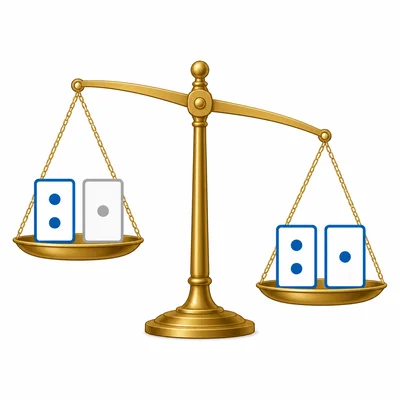
Circle the larger binary number: 10 or 11. Explain how you know.
- 8

Explain why computers can use binary to store information.
- 9
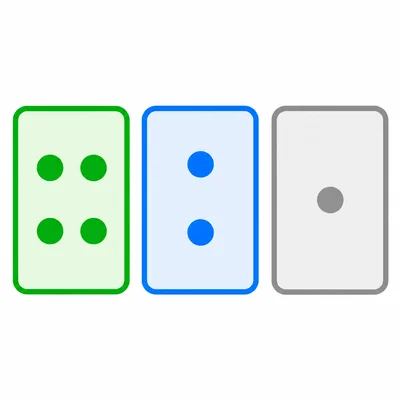
In the binary number 110, which place values are turned on? Use the place values 4, 2, and 1.
- 10
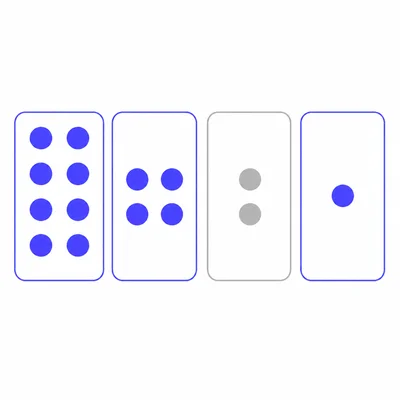
Write the decimal number 13 in binary using the place values 8, 4, 2, and 1.
- 11
A class uses binary codes for four groups: Group A = 1, Group B = 10, Group C = 11, and Group D = 100. Which group has the code 11?
- 12
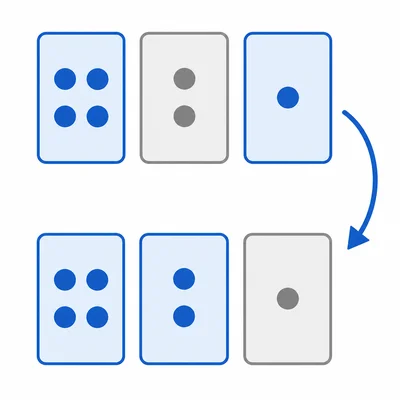
What binary number comes right after 101 when counting?
- 13
Fill in the missing number in this binary counting sequence: 1, 10, 11, 100, __, 110.
- 14
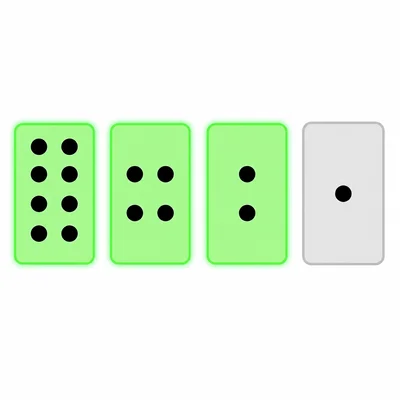
You have four binary cards with values 8, 4, 2, and 1. Which cards should be turned on to make the decimal number 14, and what is 14 in binary?
- 15
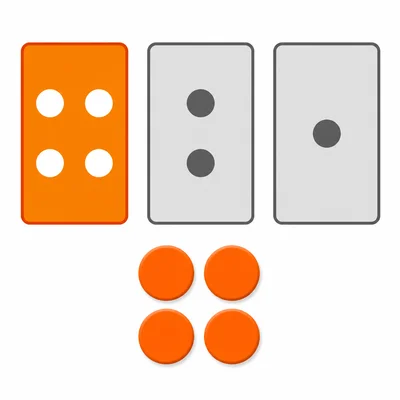
Sam says the binary number 100 equals 1 because 1 + 0 + 0 = 1. Explain Sam's mistake and give the correct decimal number.