Practice using decomposition to break complex problems into smaller tasks and abstraction to focus on useful details while ignoring unnecessary ones.
Read each problem carefully. Show your thinking in the space provided.
Breaking problems into parts and focusing on the important details
CS - Grade 6-8
- 1

A student wants to build a simple quiz app. Break this project into at least four smaller tasks using decomposition.
- 2
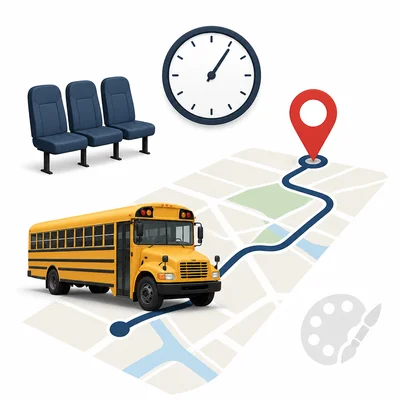
Which details should be included in an abstraction for a school bus tracking app: bus number, current location, favorite color of the driver, estimated arrival time, and number of seats? Explain your choices.
- 3
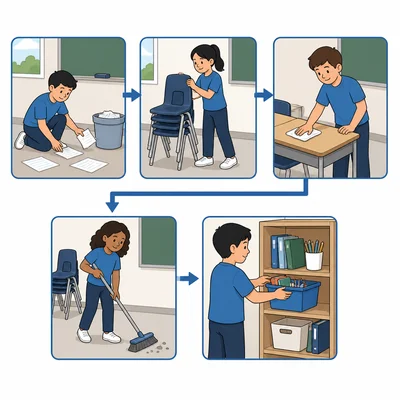
A teacher says, "Make a plan for cleaning the classroom." Use decomposition to list five smaller steps.
- 4
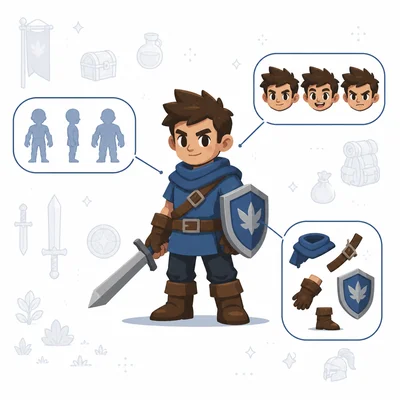
Look at this task: "Create a character for a video game." Name three important details to include in an abstraction and two details that could be ignored at first.
- 5
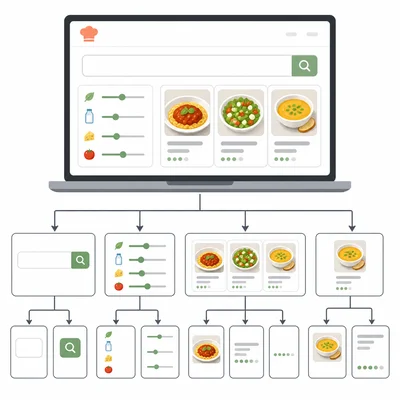
A recipe website needs a search feature. Break the search feature into at least four smaller tasks.
- 6
Explain the difference between decomposition and abstraction in your own words.
- 7
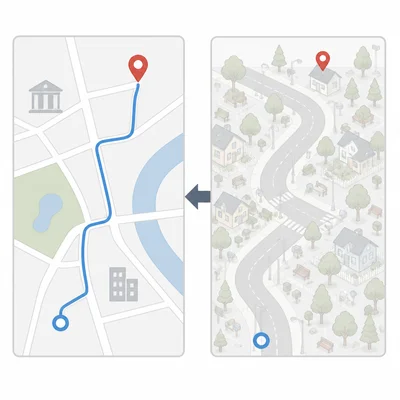
A map app uses a simplified map instead of showing every tree, bench, and mailbox. Is this an example of decomposition or abstraction? Explain.
- 8
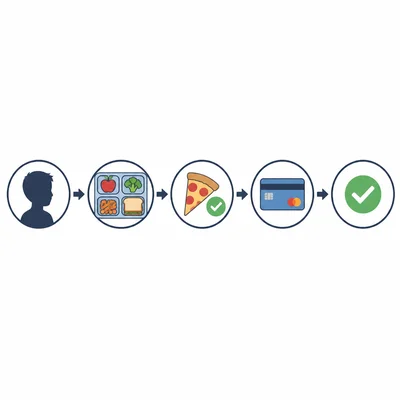
A school lunch ordering system has these parts: student login, menu display, order selection, payment, and order confirmation. Which computational thinking strategy is shown by this list? Explain.
- 9
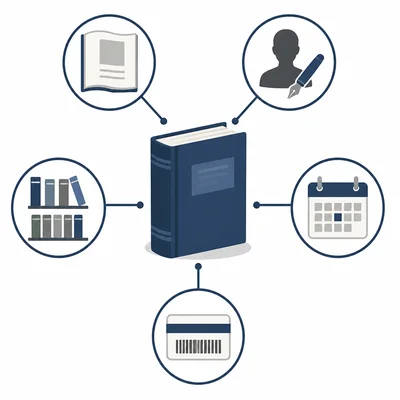
Create an abstraction for a book in a library catalog. List five details that should be stored for each book.
- 10
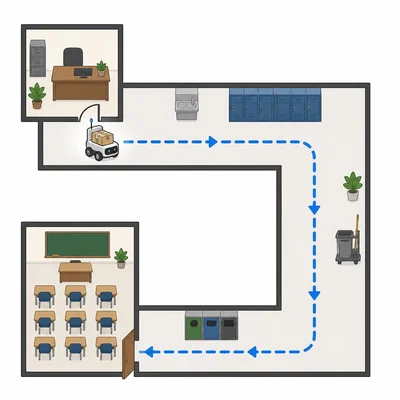
A robot must deliver a package from the office to Room 204. Decompose the robot's job into six ordered steps.
- 11
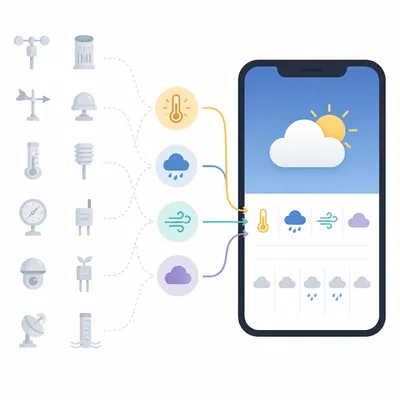
A weather app shows temperature, chance of rain, wind speed, and a short forecast. It does not show the exact reading from every weather sensor. Why is this an abstraction?
- 12

A team is making a website for a school club. Assign each smaller task to one team member: writing text, choosing images, creating the layout, checking links, and publishing the site. How does decomposition help the team?
- 13
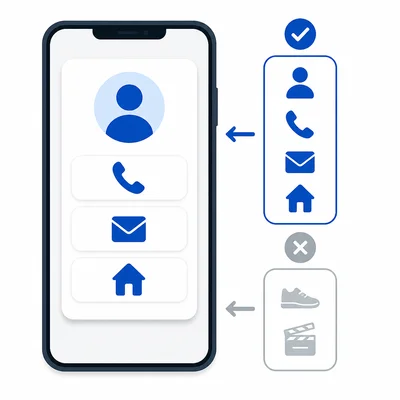
You are designing a contact list app. Decide whether each detail is essential or not essential for a basic contact abstraction: name, phone number, email address, shoe size, home address, favorite movie.
- 14
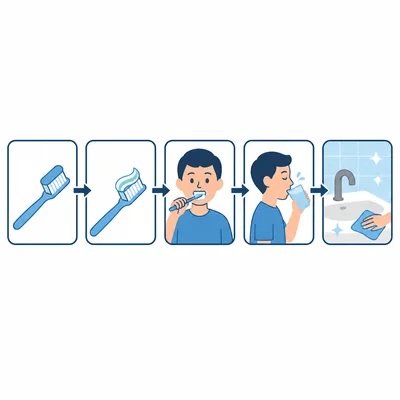
A flowchart for brushing teeth has these steps: get toothbrush, add toothpaste, brush teeth, rinse mouth, clean up. What larger task has been decomposed, and why is the flowchart useful?
- 15
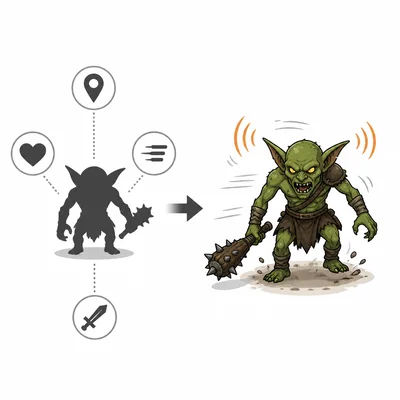
A game designer first models an enemy as only position, health, speed, and attack strength. Later, the designer adds color, sound effects, and animation. Why is starting with the simpler model useful?