Practice explaining how computers send information across the Internet using networks, packets, IP addresses, routers, domain names, and protocols.
Read each problem carefully. Answer in complete sentences and show your thinking when asked.
Understanding packets, addresses, routers, and web requests
CS - Grade 6-8
- 1
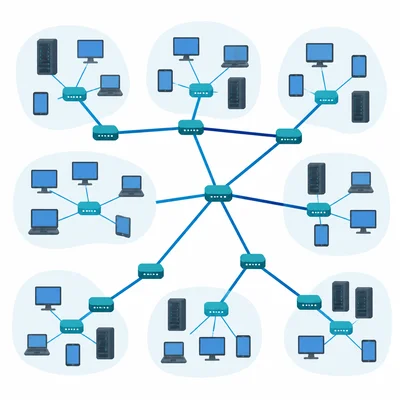
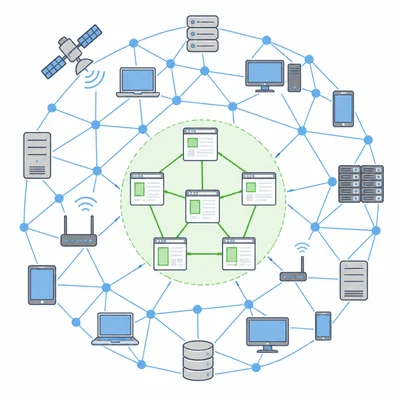
In your own words, explain what the Internet is. Include the idea of many connected networks in your answer.
- 2
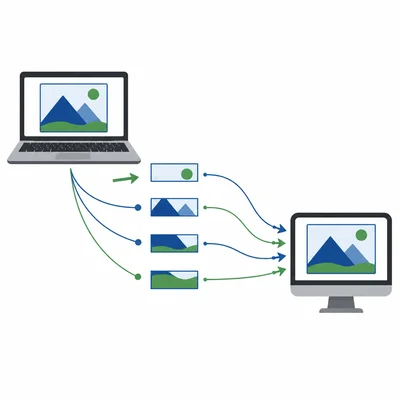
A student sends a photo to a friend online. The photo is split into smaller pieces before it travels. What are these small pieces called, and why is splitting the photo helpful?
- 3
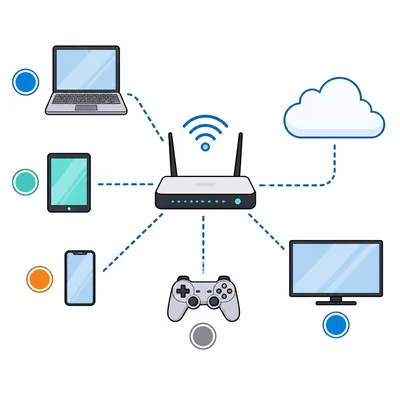
What is an IP address, and why does a device need one to use the Internet?
- 4
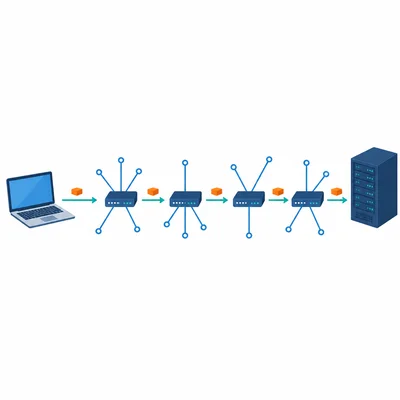
A packet leaves your laptop and travels through several routers before reaching a website. What job does a router do?
- 5
Explain the difference between a domain name and an IP address. Use the example www.example.com in your answer.
- 6
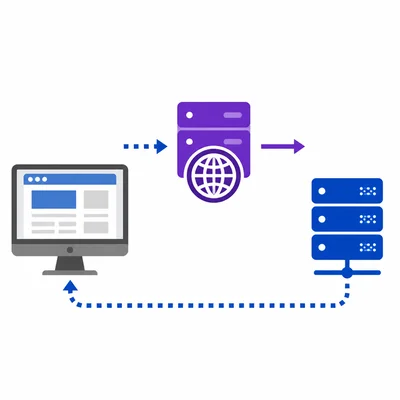
What does DNS do when you type a website address into a browser?
- 7
Put these steps in the correct order: A. The website sends data back to your device. B. You type a domain name into a browser. C. DNS finds the website's IP address. D. Your browser requests the web page from the server.
- 8
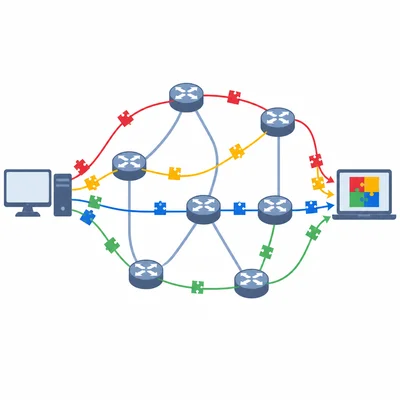
Packets from the same message do not always take the exact same path across the Internet. Explain how the message can still arrive correctly.
- 9
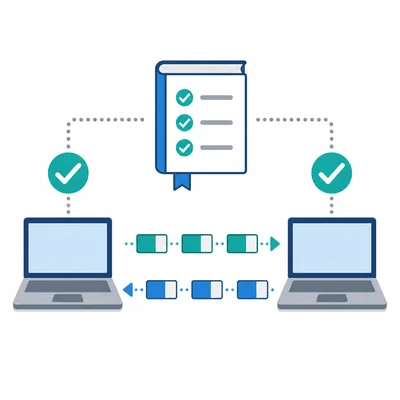
What is a protocol in networking? Give one example of a networking protocol.
- 10
A video call becomes choppy and delayed. Name two possible network reasons this could happen.
- 11
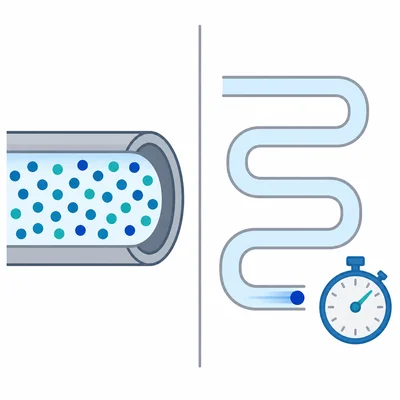
Explain the difference between bandwidth and latency.
- 12
A classmate says, "The Internet and the World Wide Web are the same thing." Explain why this statement is not correct.