Practice setting up and solving optimization problems using derivatives, critical points, endpoints, and constraints.
Read each problem carefully. Define variables, write an objective function, use the given constraint, and justify each maximum or minimum.
Using derivatives to maximize and minimize quantities
Math - Grade 9-12
- 1
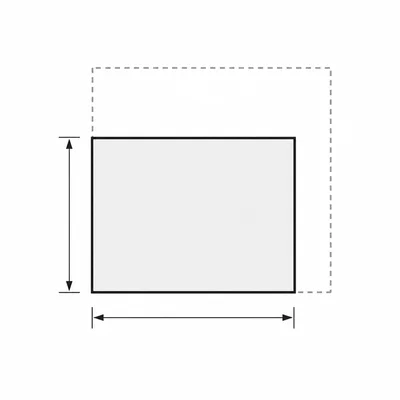
A rectangle has a perimeter of 40 meters. Find the dimensions that give the greatest possible area.
- 2
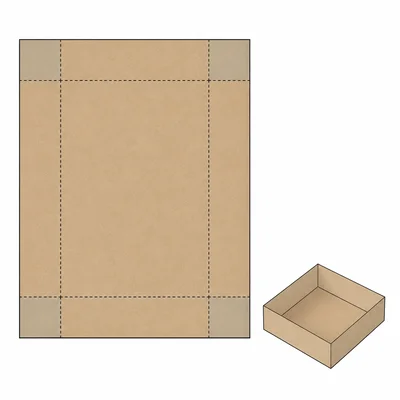
A 12 inch by 20 inch sheet of cardboard is used to make an open box by cutting equal squares of side length x from each corner and folding up the sides. Find the value of x that maximizes the volume.
- 3
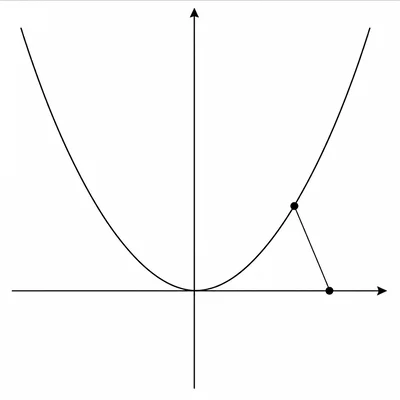
Find the point on the curve y = x^2 that is closest to the point (3, 0).
- 4
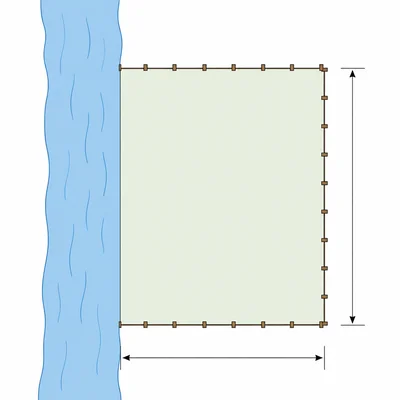
A farmer has 1200 feet of fencing to make a rectangular pen next to a straight river. No fence is needed along the river. Find the dimensions that maximize the enclosed area.
- 5
A company sells x items at a price of 100 - 2x dollars per item. The cost to produce x items is C(x) = 20x + 100. Find the number of items that maximizes profit.
- 6
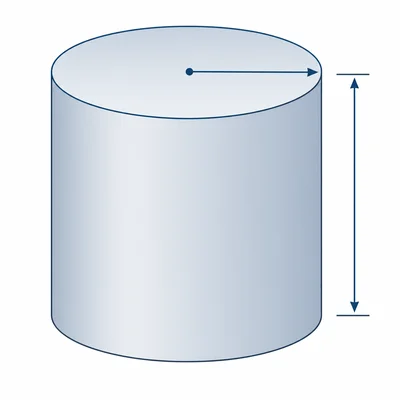
A closed cylinder must have a volume of 500 cubic centimeters. Find the radius and height that minimize its surface area.
- 7
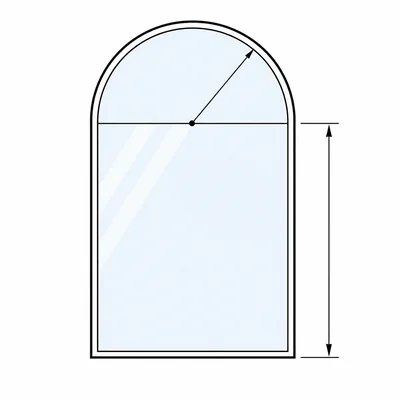
A window is made from a rectangle topped by a semicircle. The total outside perimeter is 30 feet. Find the radius of the semicircle and the rectangle height that maximize the window area.
- 8
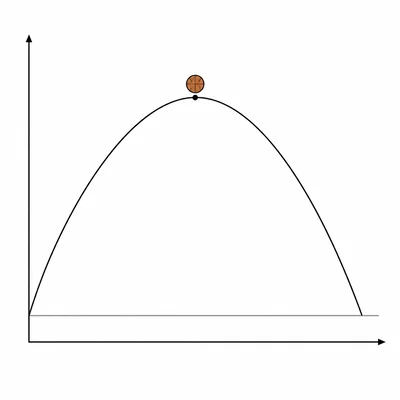
The height of a ball in feet after t seconds is s(t) = -16t^2 + 64t + 5. Find the maximum height and the time when it occurs.
- 9
Find the positive numbers x and y whose product is 36 and whose sum is as small as possible.
- 10
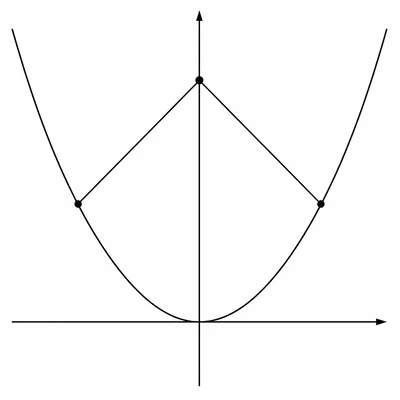
Find the points on the parabola y = x^2 that are closest to the point (0, 4).
- 11
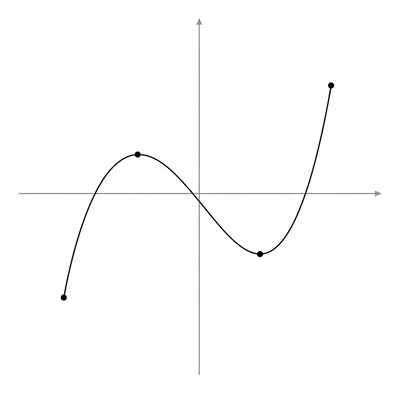
For f(x) = x^3 - 6x^2 + 9x + 4 on the interval 0 <= x <= 5, find the absolute maximum and absolute minimum values.
- 12
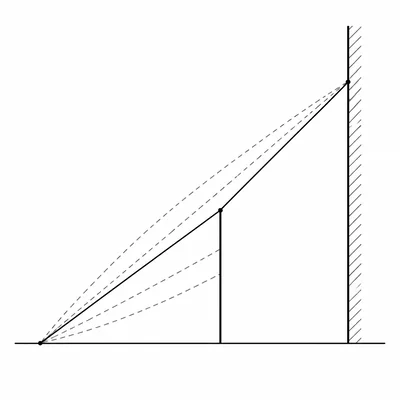
A vertical wall is 3 feet behind an 8 foot fence. A ladder must reach from the ground, over the top of the fence, to the wall. Find the shortest possible ladder length.
- 13
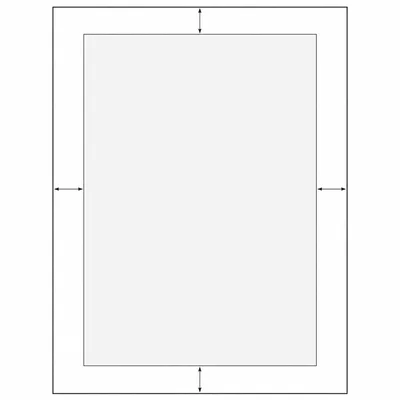
A poster must contain 200 square inches of printed area. It has 2 inch side margins and 1 inch top and bottom margins. Find the printed dimensions that minimize the total poster area.
- 14
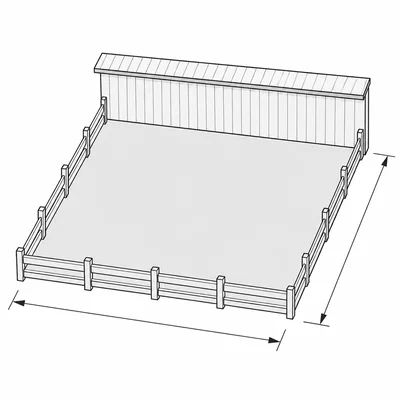
A rectangular garden is built against a barn, so only three sides need fencing. The gardener has 90 meters of fencing. Find the maximum possible area.
- 15
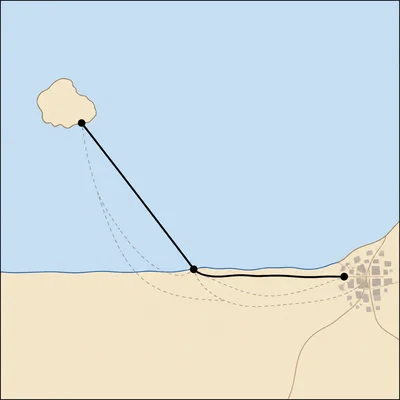
An island is 6 kilometers offshore from the nearest point on a straight shoreline. A town is 10 kilometers down the shoreline from that nearest point. Cable costs 5 dollars per kilometer underwater and 3 dollars per kilometer on land. Find where the underwater cable should meet the shore to minimize total cost.