Practice using the words full, half-full, and empty to describe containers.
Look at each container or read each sentence. Write full, half-full, or empty. Show your thinking when asked.
Identifying how much a container holds
Math - Grade K-1
- 1
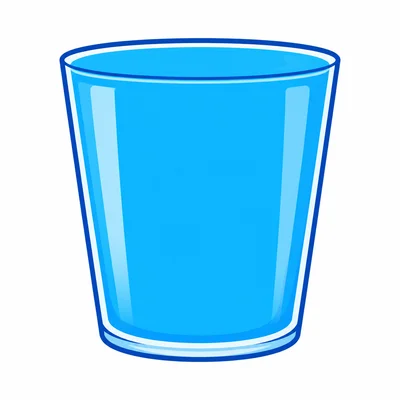
A cup has water all the way to the top. Write the word that tells how much is in the cup.
- 2
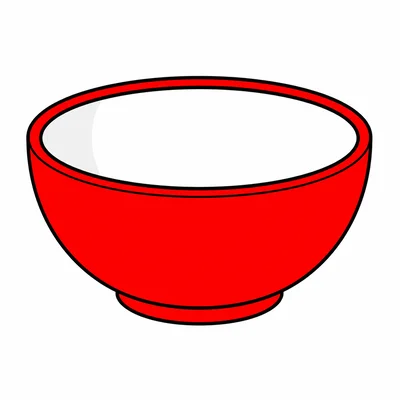
A bowl has no soup in it. Write the word that tells how much is in the bowl.
- 3
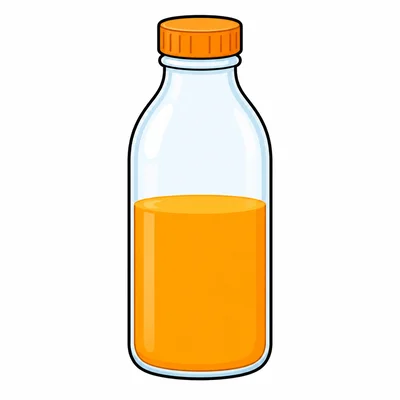
A bottle has juice up to the middle. Write the word that tells how much is in the bottle.
- 4
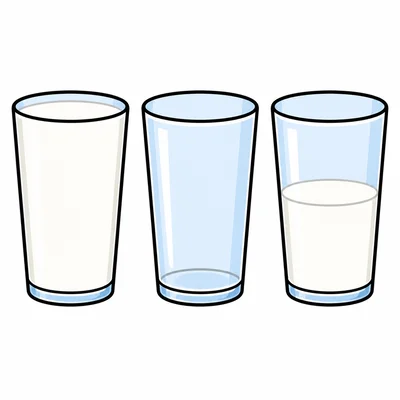
Circle the container that is empty: a glass with milk to the top, a glass with no milk, or a glass with milk halfway up.
- 5
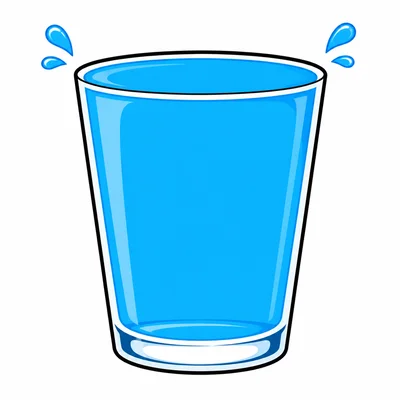
Sam poured water into a cup until it reached the top. Is the cup full, half-full, or empty?
- 6
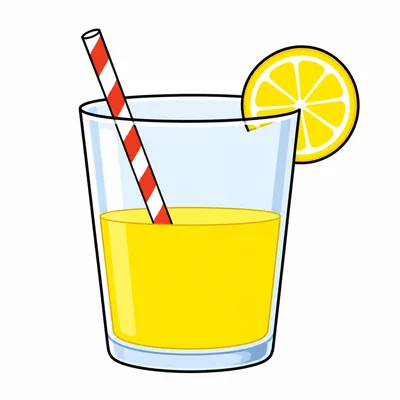
Mia drank some lemonade. Now the glass has lemonade only up to the middle. Is the glass full, half-full, or empty?
- 7
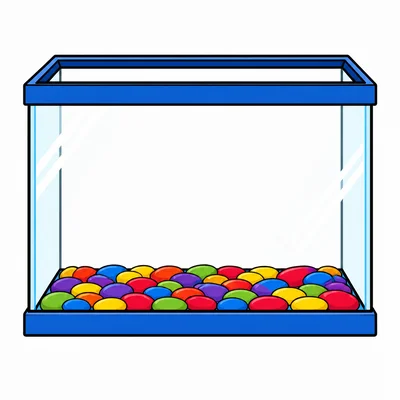
A fish tank has no water in it. Is the fish tank full, half-full, or empty?
- 8
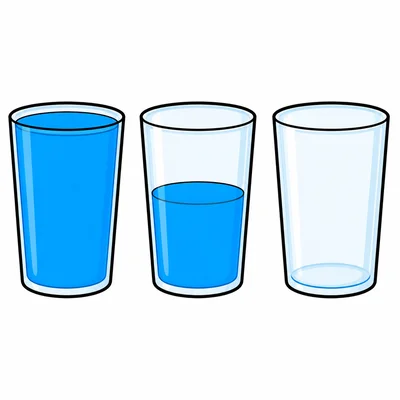
Draw a line from each word to the matching container: full, half-full, empty.
- 9
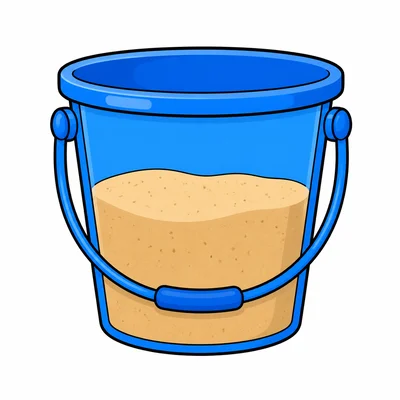
A bucket is filled halfway with sand. Write a sentence using the word half-full.
- 10
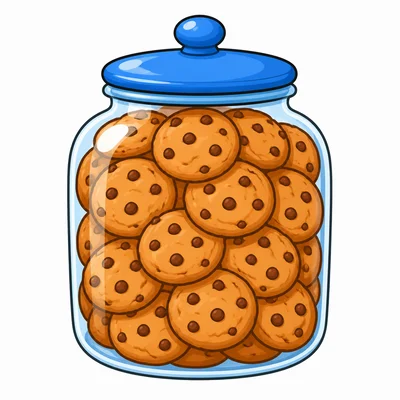
A jar has cookies stacked to the very top. Which word best describes the jar: full, half-full, or empty?
- 11
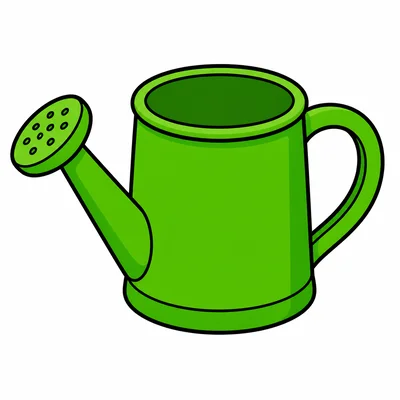
A watering can has no water inside. Which word best describes the watering can?
- 12
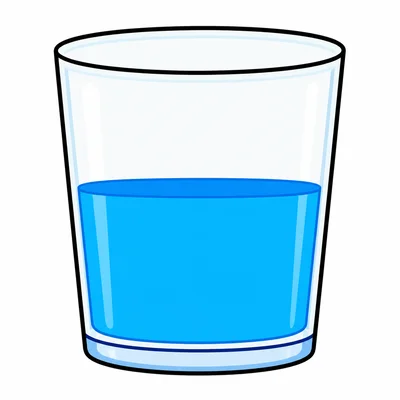
Look at a container that is filled to the middle. Color the word that matches it: full, half-full, empty.
- 13
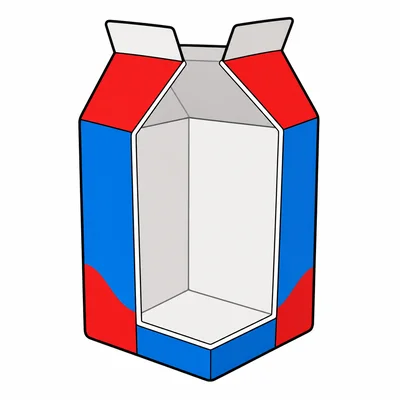
A milk carton was full. Lee poured out all the milk. What is the milk carton now?
- 14
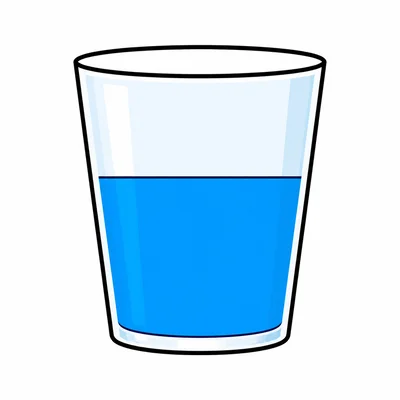
A cup is empty. Ana pours water until it reaches the middle. What is the cup now?
- 15
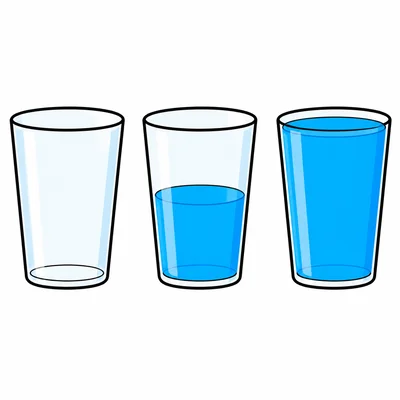
Put these containers in order from least filled to most filled: full cup, empty cup, half-full cup.